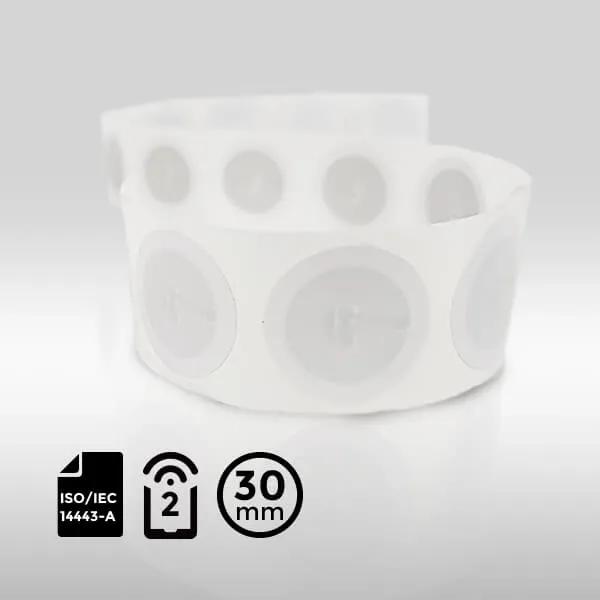
In several electronic devices, principally smartphones, NFC hardware is present. This innovation, believed to be the future of payments, password security, and boarding passes, is an improvement to the QR code, which tends to put us in a tricky situation in some instances. Although many of today’s new devices are designed with NFC software to do much of anything, many of us have likely not used NFC technology yet.
What is NFC?
NFC enables phones, tablets, personal computers to quickly exchange data with other NFC-enabled devices, meaning Near Field Communication, created from radio frequency identification ( RFID) technology.
NFC is very comparable to RFID, but NFC is exclusive to contact within around 4 inches, so you need to keep your phone very close to the pay pass reader if you’re using Apple Pay or Samsung Pay. Due to its low radio range, most individuals see NFC as a major safety advantage. This is one of the reasons why credit cards have shifted to NFC as a secure and more convenient article. Although this application is mostly perceived by individuals as an app that makes it much easier to order coffee at Starbucks, NFC should be used for easing much more important processes.
How NFC works?
The provision of data transmission with NFC technology requires two NFC-enabled devices. No need to have any manually matching to transfer NFC data, unlike Bluetooth. What makes NFC special is that device linking and authorization to transmit data are not necessary. Touching or getting close enough to the transmitter unit with an NFC compatible smartphone is all the consumer requires to collect information or pay with NFC technology.
Which Smartphones Have NFC Technology?
Day by day, the number of devices compatible with NFC is rising. To keep count of the devices are now using NFC technology and to see an up-to-date list of smartphones, you can search the NFC World website.
Many Android devices have NFC hardware, and even without an app, all Apple models after iPhone 6 will read an NFC tag by default. To read an NFC tag, older iPhone models need to install a 3rd party app.
Comparison of NFC with QR Code
QR codes are square images that QR scanners and phones can interpret. The device should have only a camera and an app downloaded to read QR codes.
Numbers, special characters, and character combinations (for example, text, contact information, or links) may be used in a QR code. A square matrix that integrates all the details into black and white squares comprises the QR code.
Looking at differentiations among NFC and QR Code
- Although QR code stores data in a simple image, NFC tags contain a data-storing microchip.
- NFC tags search the stored information over an NFC connection and send it to your smartphone while the QR code is decrypted via an optical image processing method.
- In poor weather, the QR code may be accidentally damaged or worn out easily.
- The options of independently designing the QR code are exceedingly small.
- The QR code is cheaper, but you cannot change or update the content on it, unlike NFC tags.
- A mobile with a camera is owned by most users so they can read QR tags. Mobile phones supported by NFC are not yet extremely popular.
Differences Between NFC and Bluetooth
NFC and Bluetooth are forms of wireless transfer which have very distinct functions. NFC is a fantastic technology for the short distance transfer of small quantities of data and is mainly used for wireless transactions and credit cards. A broader range of communication is offered by Bluetooth and is commonly used in devices such as cell phones, speakers, and headphones.