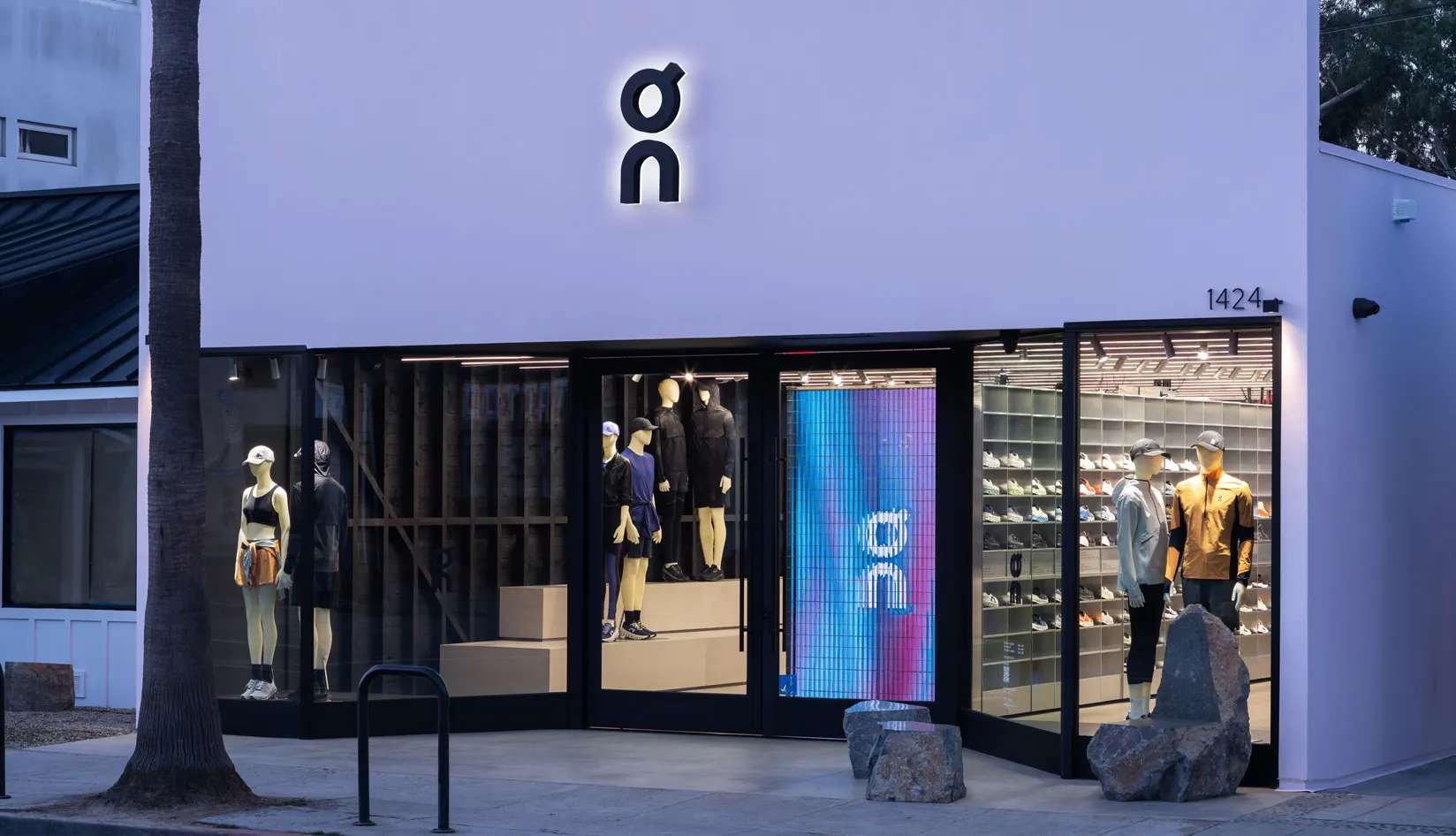
With the rapid advancement of technology, the retail industry is transforming. As a representative of this change, unmanned retail shops are changing the traditional way of customer shopping. And in this change, RFID passive tag technology plays a very important role. This blog will explore how RFID passive tags technology is driving the development of unmanned retail shops and its disruptive impact on the retail industry.
What is an unmanned retail shop?
Unmanned retail shops are self-service shops without clerks, where merchandise management, checkout, and customer service are realized through advanced technology. Customers can freely shop for goods in the shop without queuing for checkout and complete payment directly through an intelligent system. The concept was first proposed by Amazon’s Amazon Go, and then quickly spread around the world. The emergence of unmanned retail shops not only enhances the shopping experience but also significantly reduces labor costs and improves operational efficiency.
Introduction of RFID passive tags
RFID passive tags are a technology that transmits and identifies information through radio frequency signals. Compared to traditional barcode technology, RFID passive tags do not require battery power; their energy is provided by electromagnetic waves emitted by the reader. Passive tags consist of an antenna, which receives and transmits RF signals, and a chip, which stores data. The reader activates the tag through radio waves and reads the data in it, enabling the identification and management of items.
How RFID passive tags can be used in unmanned retail shops?
The following four areas are about the use of RFID passive tags in unmanned retail shops.
- Management of goods
RFID passive tags can record the quantity information of goods. When a customer removes or puts back the merchandise from the shelf, the reader on the shelf can immediately feedback to the information system for updating the inventory data, ensuring the accuracy and real-time availability of the inventory quantity. In addition, shop managers can also monitor the sales of goods through the RFID system to optimize inventory replenishment strategies.
- Automated settlement and payment
While the settlement process in traditional retail shops usually requires manual operation, unmanned retail shops utilize RFID passive tag technology to achieve automatic settlement. When customers leave the shop, readers installed at the exit can automatically scan all the goods in the shopping basket, calculate the total price, and complete payment, eliminating the need to wait in line.
- Stock replenishment system
RFID passive tag technology enables smarter inventory management. Shops can automatically generate replenishment orders based on real-time sales data and inventory to ensure a continuous supply of goods. This not only improves operational efficiency but also reduces losses due to out-of-stock or over-stocking.
- Anti-theft and security monitoring
RFID readers installed at various entrances and exits of the shop can effectively prevent theft. When unpaid merchandise is taken out of the shop, the system will immediately send out an alarm to alert staff to ensure the safety of the merchandise.
What advantages does RFID passive tag bring to the retail industry?
We will list the advantages of RFID passive tags as follows.
- Improving operational efficiency
RFID passive tag technology simplifies the process of merchandise management and billing, reduces human intervention, and improves shop operational efficiency. Automated inventory management and replenishment systems also enable shops to respond quickly to market demand.
- Reducing labor costs
Unmanned retail shops reduce reliance on manual labor and lower labor costs. While the initial investment in equipment and technology is high, in the long run, the maintenance costs of automated systems appear to be much lower than the cost of hiring staff
- Enhancing customer experience
Automatic checkout and a fast shopping experience make the shopping process more comfortable and convenient for customers, reducing queuing and waiting time. the application of RFID passive tag technology allows customers to enjoy a smoother shopping experience.
- Supporting data analysis and make decision
With the merchandise sales data collected by the RFID system, shop managers can conduct accurate data analysis to understand customers’ shopping habits and preferences, optimize merchandise display and promotion strategies, and increase sales.
Conclusion
The application of RFID passive tag technology in unmanned retail shops has revolutionized the retail industry by greatly improving the efficiency of merchandise management and customer service, as well as reducing operational costs. Despite some challenges, RFID passive tag technology will play an even more important role in the retail industry in the future as the technology continues to advance and the application deepens. Enterprises should actively explore and apply this technology to enhance competitiveness and embrace future changes in the retail industry.
After reading this blog, If you are interested about RFID passive tag technology, feel free to contact our sales experts, who will provide you with the most suitable solutions and the most professional purchasing advice according to your needs. In addition, you can also visit our official website (www.rfidlabel.com) to browse the relevant information about RFID passive Tags.
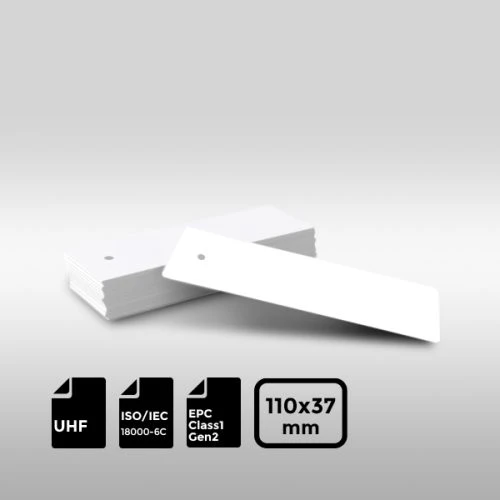
UHF RFID Hang Tag Impinj® Monza® R6-P 110×37mm | ISO18000-6C

The Impinj® Monza® R6-P RFID Hang Tag is specifically designed for the apparel industry. This hangtag seamlessly integrates into clothing hangtags, ensuring accurate tracking and inventory management. It effectively safeguards merchandise against theft and counterfeiting, while maintaining stability and performance advantages. The Impinj® Monza® R6-P RFID Hang Tag enhances operational efficiency for clothing brands and protects brand integrity.