RFID recycling is a key strategy for businesses seeking to maximize the sustainability and cost-effectiveness of their RFID technology. As industries around the world adopt RFID solutions, the reuse and recycling of RFID tags are becoming essential components of eco-friendly operations. In this guide, we’ll explore 5 key scenarios where RFID recycling can make a significant impact on reducing waste and saving costs, alongside the best cleaning technologies that allow RFID tags to be reused multiple times.
Why Focus on RFID Recycling?
RFID recycling offers businesses a dual advantage: cutting costs while promoting environmental responsibility. The process of recycling and reusing RFID tags can lead to significant improvements in both the bottom line and sustainability goals. Here are the primary reasons why RFID recycling is gaining traction:
- Cost savings: Buying new RFID tags over and over can really add up for companies, especially those that need thousands of them.
- Environmental benefits: Reusing RFID tags cuts down on electronic waste and reduces the need for raw materials in manufacturing.
- Efficiency: When handled properly, reusing RFID tags can streamline logistics and enhance operational workflows.
Reusability not only helps lower operational costs but also aligns with the growing sustainability initiatives across various industries. Now, let’s take a closer look at 5 common scenarios where RFID tags can be recycled.

1. Reusing RFID Tags in Logistics and Shipping
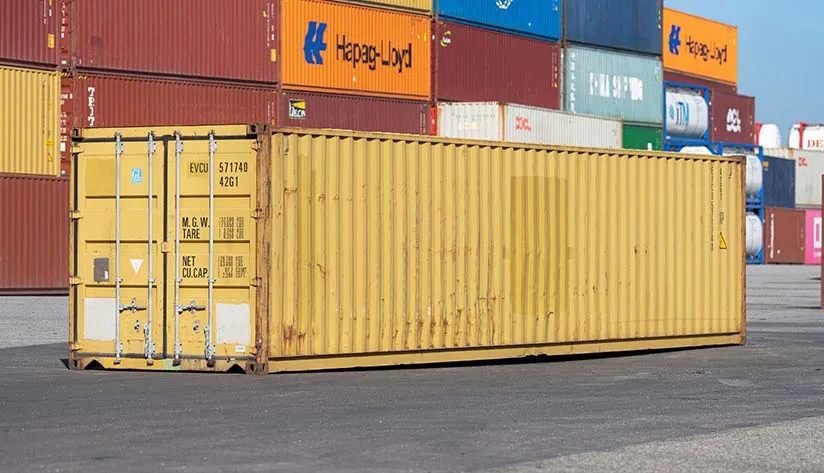
Logistics companies that manage a high volume of goods can really cash in on reusing RFID tags. These tags are frequently used to track pallets, containers, and shipping crates throughout the supply chain. Instead of tossing out RFID tags after every shipment, companies can just remove them from one item and stick them on the next.
How It Works
The process involves taking the RFID tag off returnable packaging (like plastic pallets or crates) and sticking it onto a new shipment. As long as the tag is still working properly, it can be reused for several shipments. In this case, the durability of the tag is crucial to making sure it can handle multiple cycles.
Benefits:
- Cost savings: Reusing tags cuts down on the need to buy new ones.
- Less waste: Significantly reduces the environmental impact.
- Increased operational efficiency: Minimizes delays in the logistics process.

2. RFID Tags for Returnable Transport Containers (RTCs)
Returnable Transport Containers (RTCs) are widely used in industries like automotive manufacturing, food distribution, and pharmaceuticals. These containers, often made from plastic or metal, are designed to be reused multiple times. Incorporating RFID tags into RTCs allows companies to effectively track their movement.
Recycling Process for RTCs
Tags can be removed, cleaned, and reprogrammed for future cycles. This cuts down on the need for new tags with each return trip. These tags can also be programmed to store custom data, like inventory levels or delivery timelines.
Benefits
- Extends the life cycle of both the containers and RFID tags.
- Improves tracking of assets throughout the supply chain.
- Lowers overall costs by reducing the need for new tags with each new shipment.
3. RFID Tags in Retail and Inventory Management
Retail giants like Walmart, Zara, and Nike have long used RFID tags for inventory management. While RFID tags can be pricey, many retailers are finding out that these tags can be reused multiple times, especially in the clothing and accessories sectors.
How Reuse Works in Retail
In retail, tags are often attached to apparel or products that are returned or recycled. Once returned, the RFID tag is removed from the product, cleaned, and then reattached to another item for sale. This cycle continues as long as the tag remains functional.
Benefits
- Boosts sustainability in the retail industry by reducing waste.
- Enhances inventory management by providing more accurate tracking.
- Lowers costs for retailers by extending the life of RFID tags.

4. Reusable RFID Wristbands for Events
Event management companies often use RFID wristbands to grant access to venues, manage entry points, and track attendee participation. After the event, many companies prefer to reuse these wristbands for future events.
Cleaning and Reprogramming RFID Wristbands
Wristbands can be sanitized, and the embedded RFID chips can be reprogrammed with new event details. This ensures that the wristbands can be reused without compromising their functionality.
Benefits
- Cost efficiency: Significant savings on event logistics.
- Eco-friendly: Reduces waste from disposable wristbands.
- Enhanced user experience: Customizable wristbands for different events and functionalities.

5. RFID Tags in Cross-Border Transport and Customs
In cross-border transport, RFID tags are commonly used to track goods as they pass through customs. These tags help streamline the clearance process by providing real-time updates on the locations and statuses of the goods. After clearing customs, the RFID tags can be removed from one shipment and reused for the next.
Recycling RFID Tags in Customs
Customs departments can repurpose RFID tags from previous shipments. The data stored on the tags can be wiped, and the tags can be reprogrammed with new customs information or tracking details.
Benefits
- Faster customs processing by reusing tags with pre-programmed data.
- A cost-effective approach for government agencies or businesses engaged in international trade.
- An environmentally responsible solution for reducing e-waste.

Cleaning Technologies for RFID Tag Reusability
To maximize the lifespan and functionality of RFID tags, it’s crucial to use effective cleaning technologies. Here are some of the most common cleaning methods used to ensure RFID tags remain functional for multiple cycles.
1. Ultrasonic Cleaning
Ultrasonic cleaning uses high-frequency sound waves to clean RFID tags without damaging the chip or antenna. This method is really effective for removing dirt, oils, and contaminants from RFID surfaces.
2. Chemical Cleaning Solutions
Chemical solutions designed for electronics can be used to clean RFID tags, removing grime and other substances that can interfere with the tag’s performance. These solutions must be carefully chosen to avoid damaging the internal components of the RFID tag.
3. High-Pressure Air
Sometimes, a high-pressure air system is used to blow dust and dirt off the surface of the RFID tag. This method is often used alongside ultrasonic cleaning to ensure everything is completely clean.
4. Laser Cleaning
Laser cleaning is a more advanced technology used to remove contaminants from the tag’s surface without causing any damage. This method is especially useful for tags that are heavily soiled or used in harsh environments.
Conclusion: Why RFID Tag Reusability is the Future
The reusability of RFID tags is a vital aspect of the ongoing trend towards sustainability and cost efficiency. By incorporating recycling strategies into everyday operations, businesses can save on the cost of purchasing new tags, reduce environmental waste, and enhance operational efficiency.
As companies around the world look for ways to streamline operations and meet sustainability goals, RFID tag reuse is quickly becoming an integral part of the supply chain, retail, and event management industries. The combination of reusable RFID tags and advanced cleaning technologies ensures that these tags remain durable and functional throughout multiple use cycles.
By adopting these strategies, businesses can not only boost their bottom line but also contribute to a greener future.
Visit rfidlabel.com for more information and RFID products!
Recommended Product
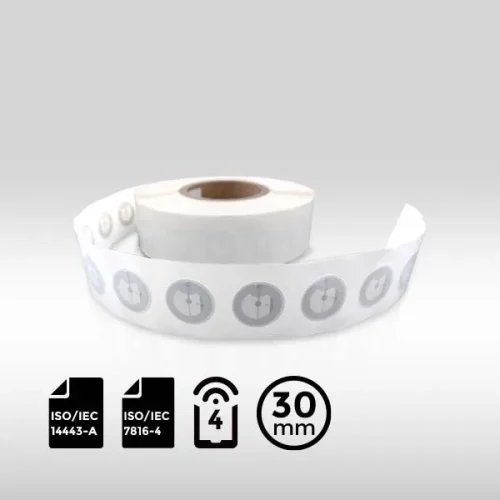
NXP NTAG® 424 DNA Coated Paper NFC label Ø30mm

The NXP NTAG® 424 DNA Eco-Friendly Adhesive NFC label features a sustainable construction with FSC-certified thin coated paper. It uses RPC5 adhesive for strong bonding and is backed by white Glasine C5-FSC liner, making it an environmentally friendly choice for NFC applications without compromising performance or durability.