
On-Metal RFID Labels
Stable & Reliable Tracking On Every Metal Surface
Find the Best On-Metal RFID Label for Your Needs Quickly find UHF, NFC, tamper-evident, ultra-thin, on-metal & on-liquid options tailored to metal surfaces.
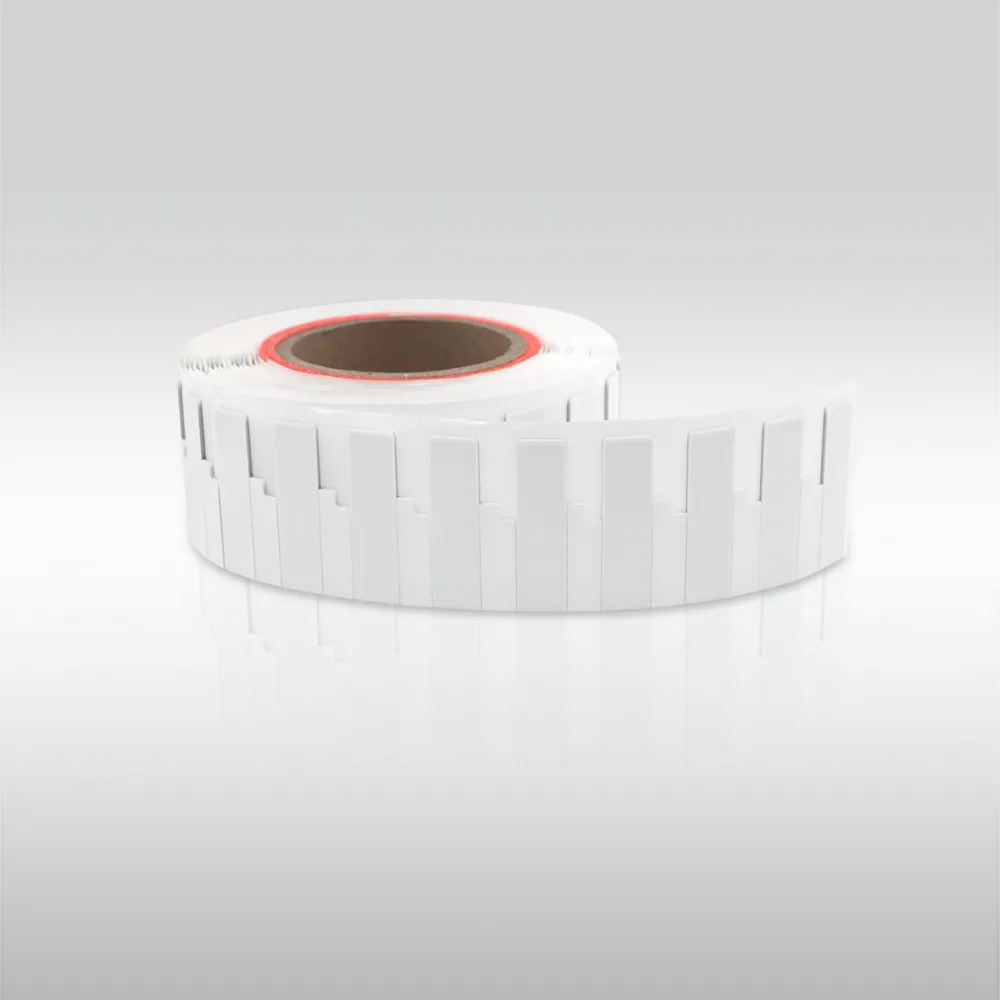
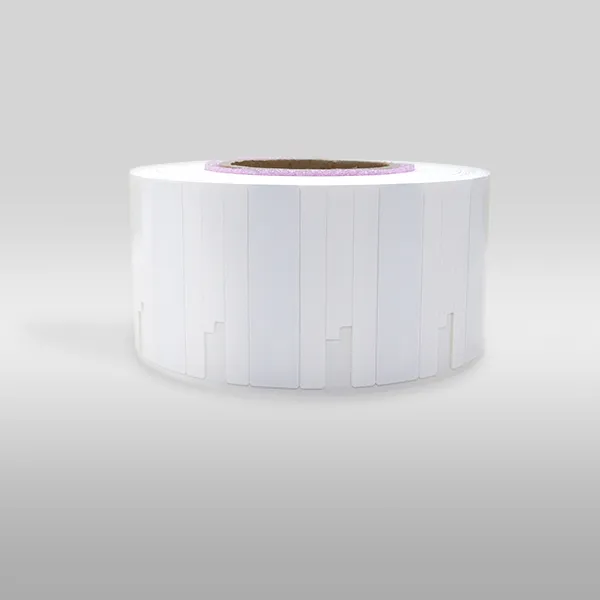
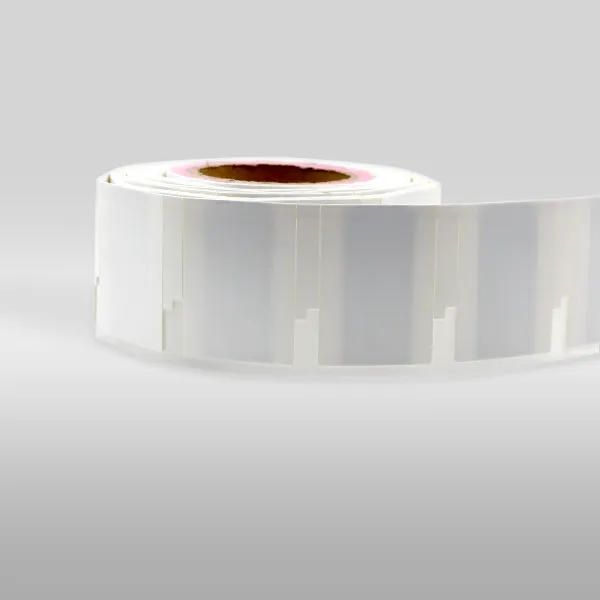
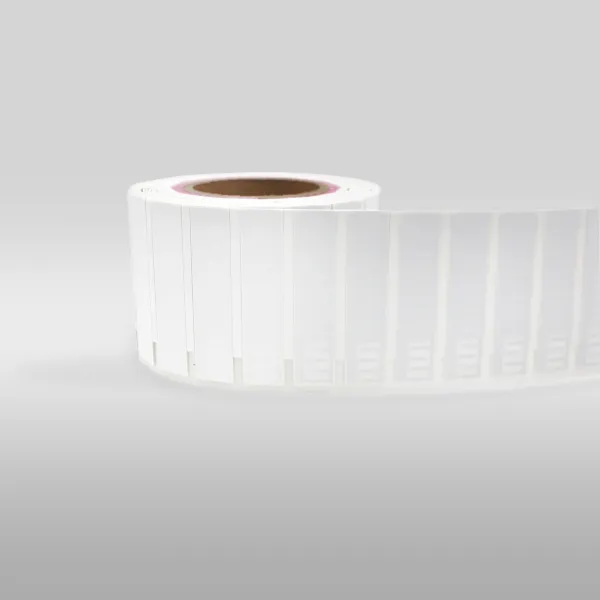
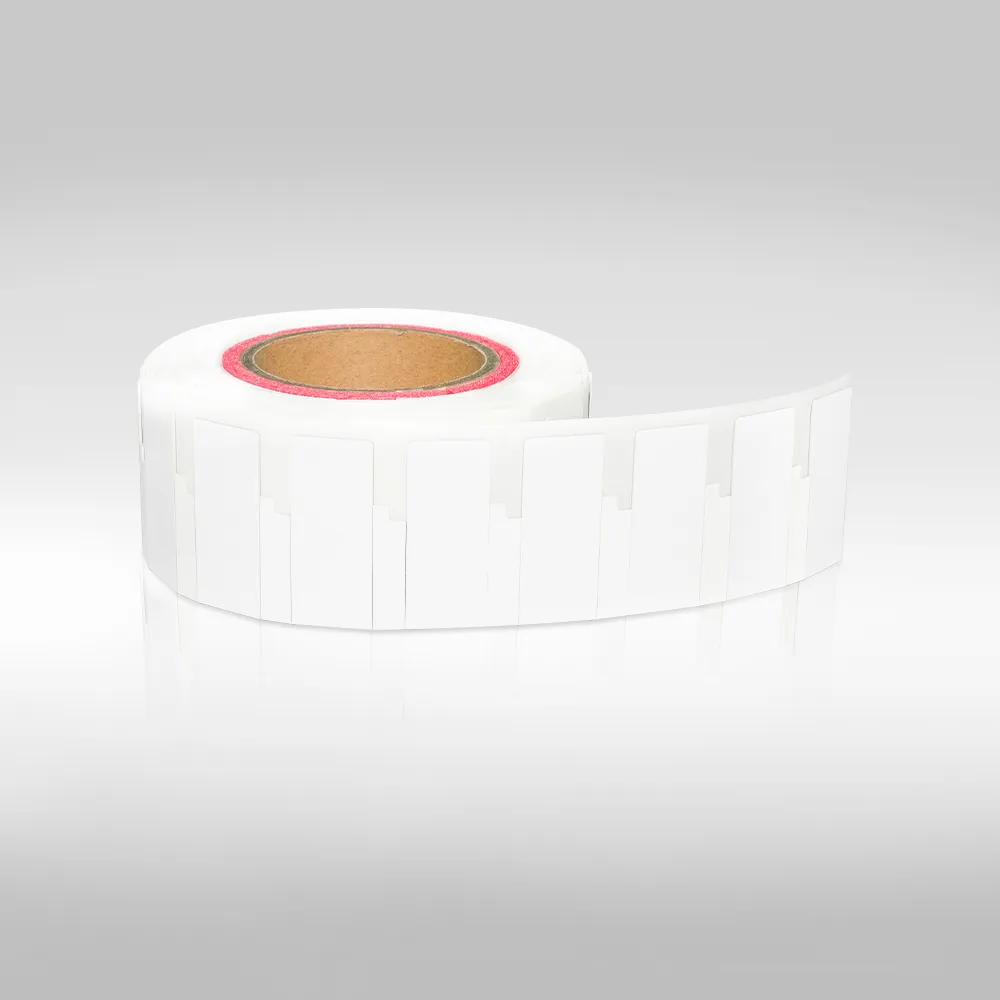
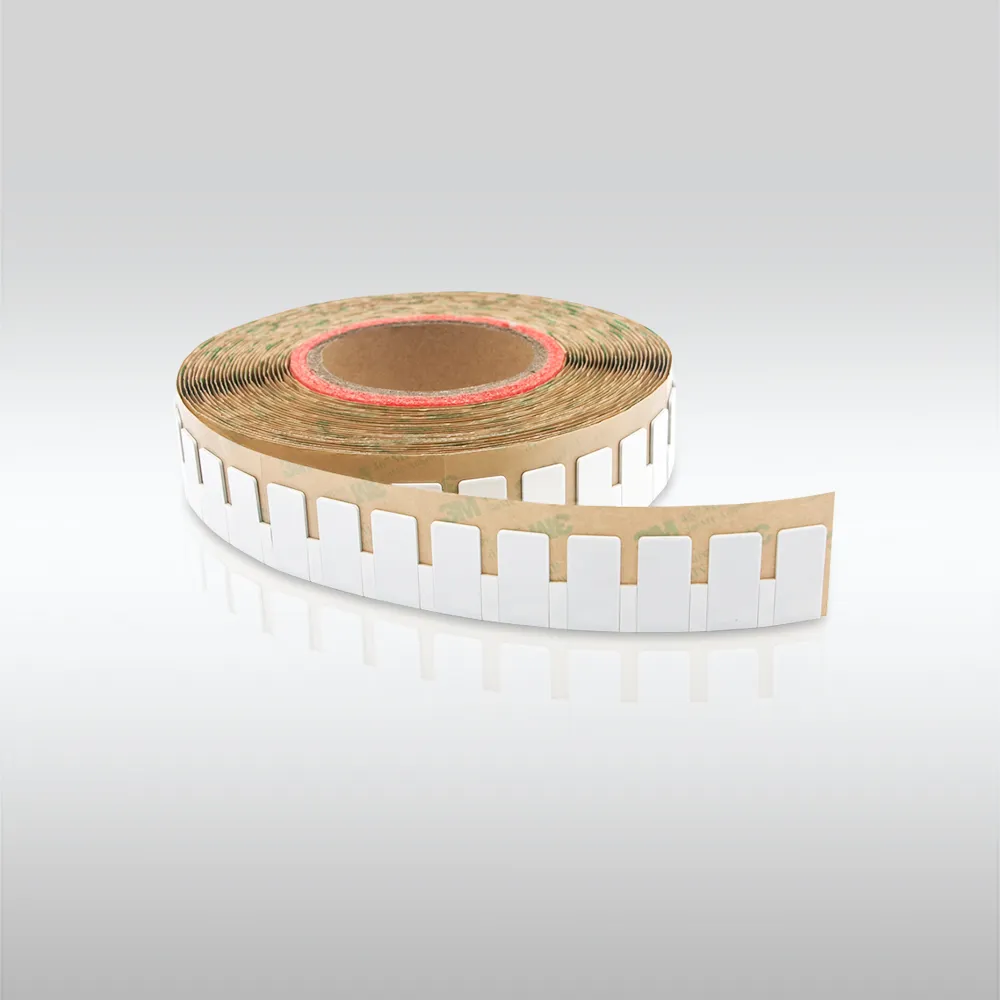
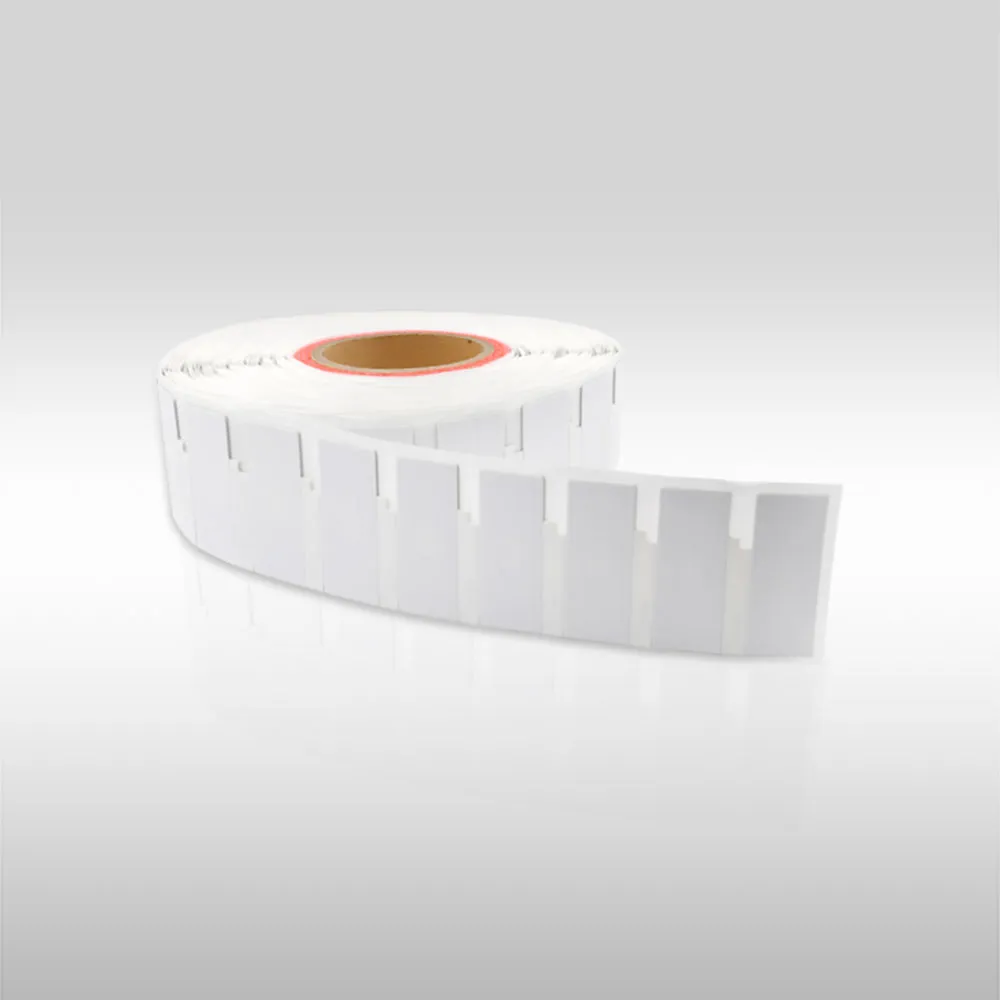


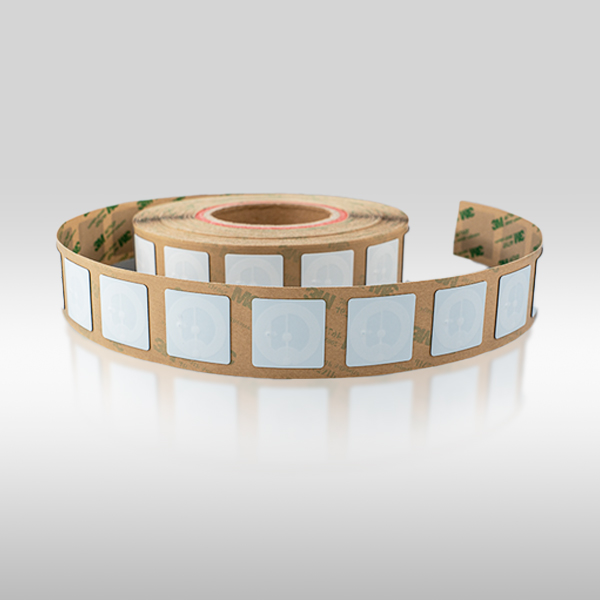


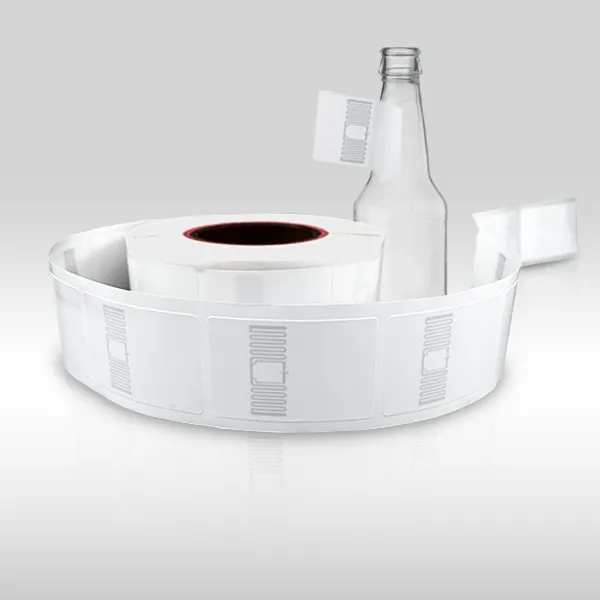
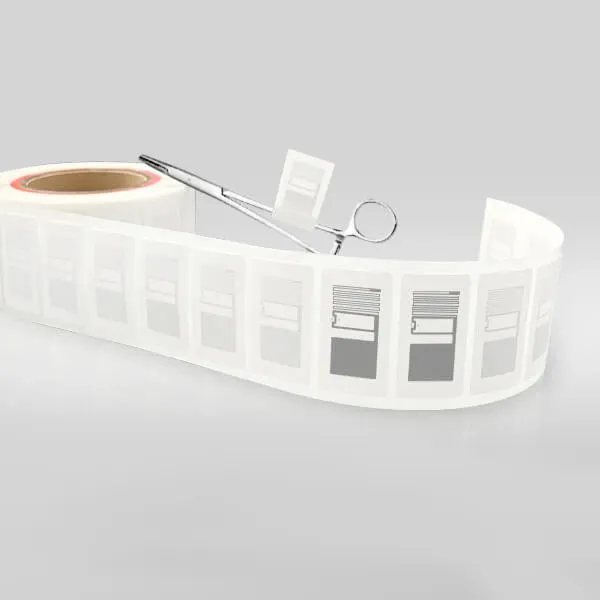
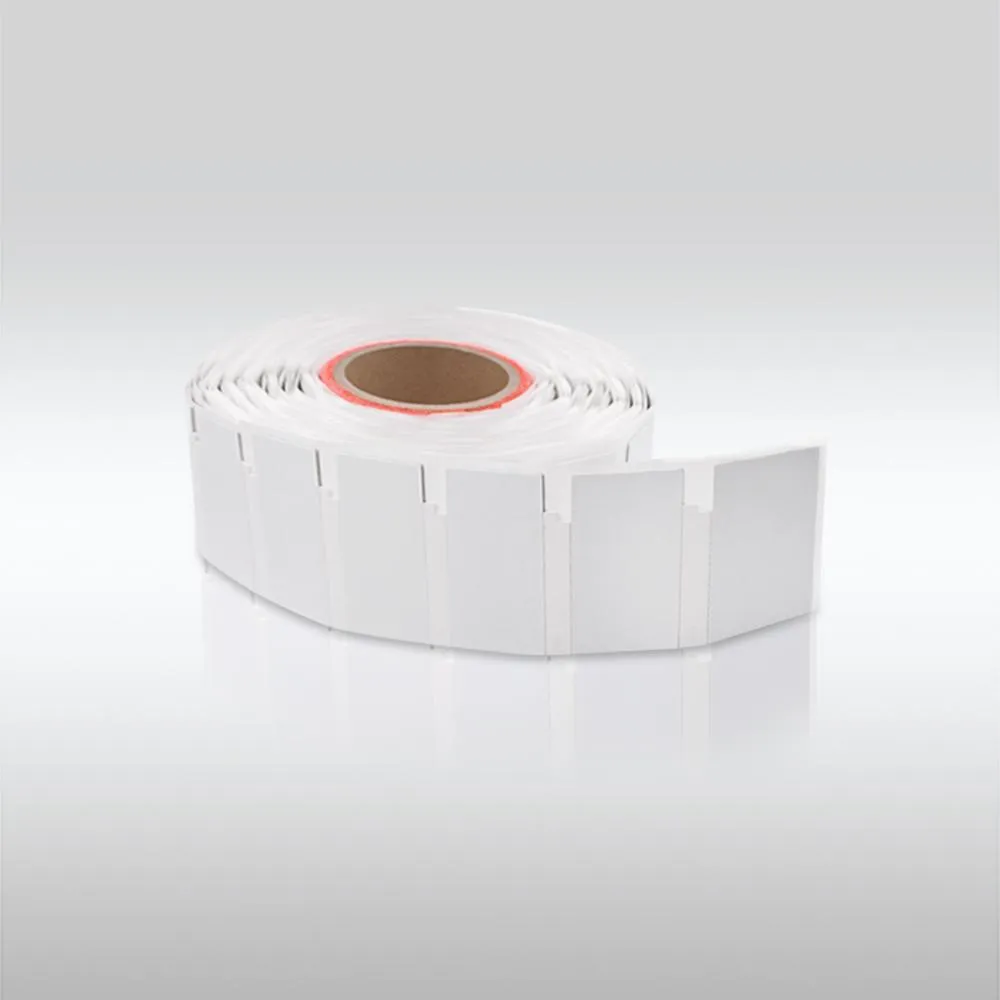
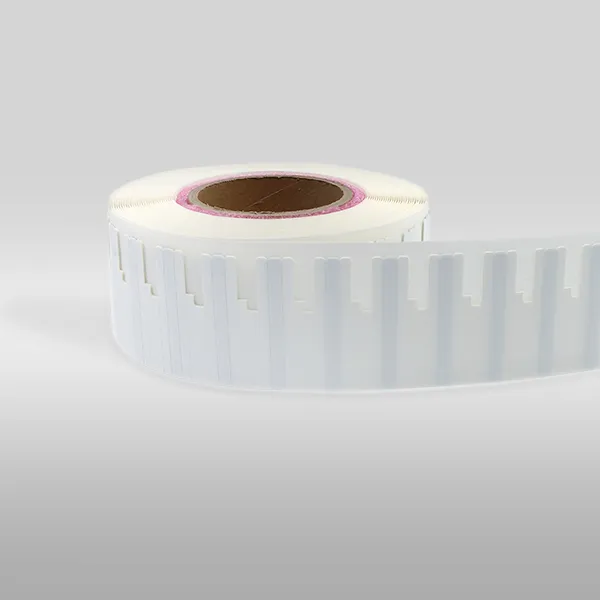

What is an on-metal RFID Label?
An On-metal RFID Label is a radio frequency identification tag specifically designed for use on metal surfaces or in environments where they are in contact with metal objects. It is unique in that it adopts a special structure and technology, allowing it to effectively overcome the interference and shielding effect of metals on radio frequency signals. Traditional RFID Labels often encounter problems such as signal attenuation or shortened reading distance when used on metal surfaces. On-metal RFID Labels use special antenna designs or isolation layers to ensure stable and accurate data transmission on metal surfaces.
Key features of on-metal RFID Label

Metal Compatibility
Traditional RFID tags often experience signal attenuation and reduced reading distance when used on metal surfaces. In contrast, on-metal RFID tags are designed with special materials and structures that effectively counteract the disruptive effects of metal, ensuring stable and reliable signal transmission within the RFID system.

Enhanced Signal Transmission
On-metal RFID tags typically feature advanced antenna designs or include an isolation layer that minimizes the interference metal creates with electromagnetic waves. This allows the RFID reader to successfully read the tag’s information, even when it is mounted on a metal surface.

Wide Range of Applications
Due to their resistance to metal interference, on-metal RFID tags are ideal for applications involving asset management, inventory tracking, and tool tracking on metal surfaces or metal objects. Common use cases include tracking industrial equipment, automotive components, machinery parts, and more.

Variety of Sizes and Shapes
On-metal RFID tags come in a wide range of sizes and configurations to meet diverse needs, including compact, durable options suitable for tight spaces or harsh industrial environments.

Rugged and Durable
Designed to withstand extreme conditions such as high temperatures, moisture, chemicals, and physical impacts, these tags are built for resilience in demanding industrial settings.

Improved Inventory and Asset Management
By leveraging RFID systems with on-metal tags, businesses can significantly enhance inventory management, asset tracking, and supply chain visibility. This results in reduced manual effort, fewer errors, and greater operational efficiency.
Main applications of on-metal RFID Label

Industrial equipment and tool management

Warehousing and inventory management

Aviation industry

Energy industry

Medical industry

Manufacturing
How does on-metal RFID labels perform on different metal surfaces?

FAQs
When ordinary RFID Labels are used on a metal surface, the metal will cause electromagnetic waves to be reflected or absorbed, which will affect the transmission of signals and cause the reading distance to be shortened or unreadable. On-metal RFID Labels overcome these problems through special antenna design and isolation layers and can work normally in a metal environment.