
Find the Right RFID Label for Your Application
Quickly assess a few questions about your operating environment, printing method, RFID system, and application to identify the most suitable RFID label type for your needs.

Usage Environment Where and How Will the RFID Label Be Used?
The installation environment and mounting surface affect the label material, adhesive, antenna design, and RFID reading performance.
Outdoors Suitable for environments involving sunlight, rain, moisture, temperature changes, and long-term outdoor exposure.
Recommended Options
• PET RFID Labels
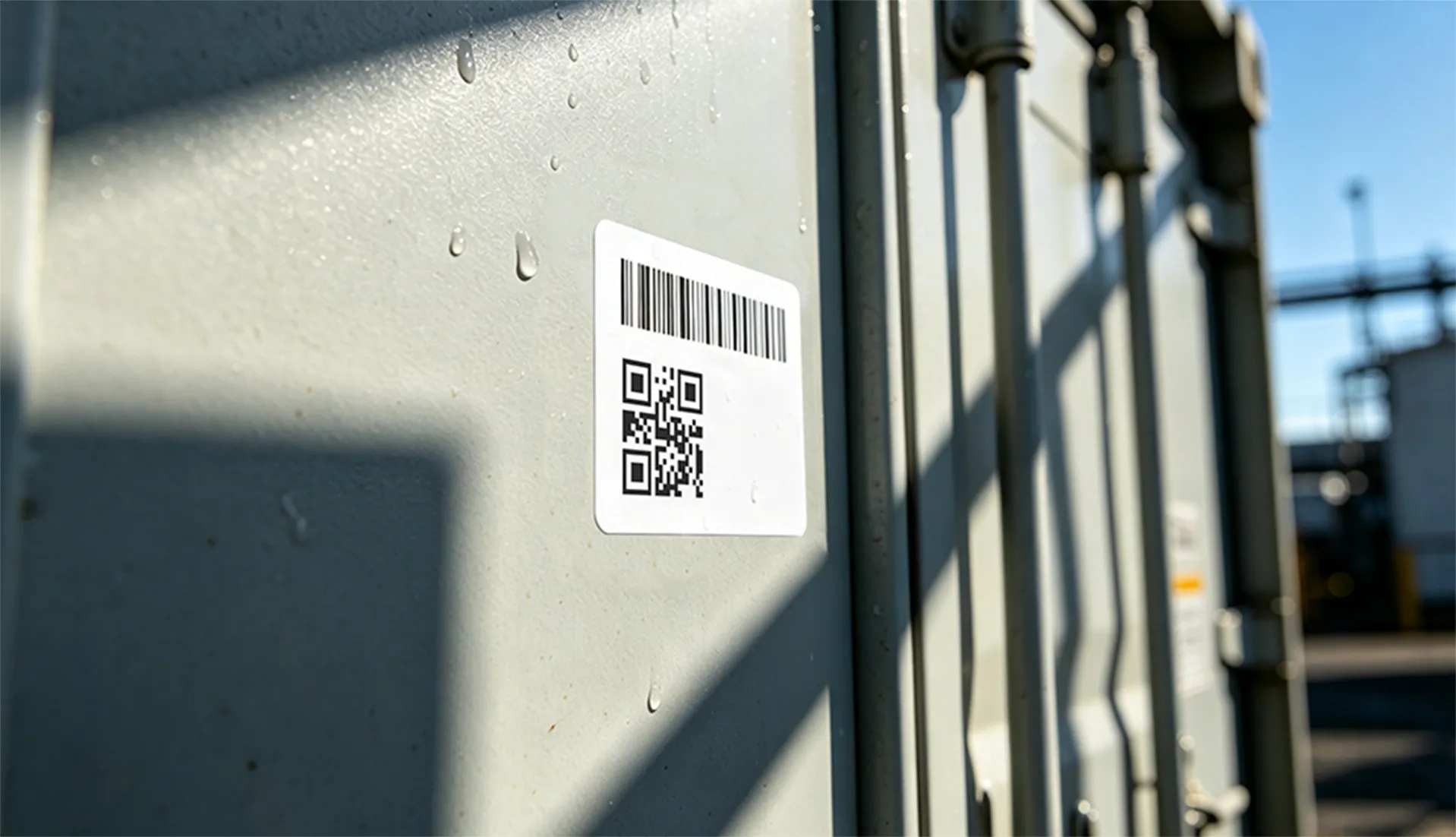
Indoors Suitable for warehouses, retail stores, libraries, offices, and general indoor tracking applications.
Recommended Options
• Coated Paper RFID Labels
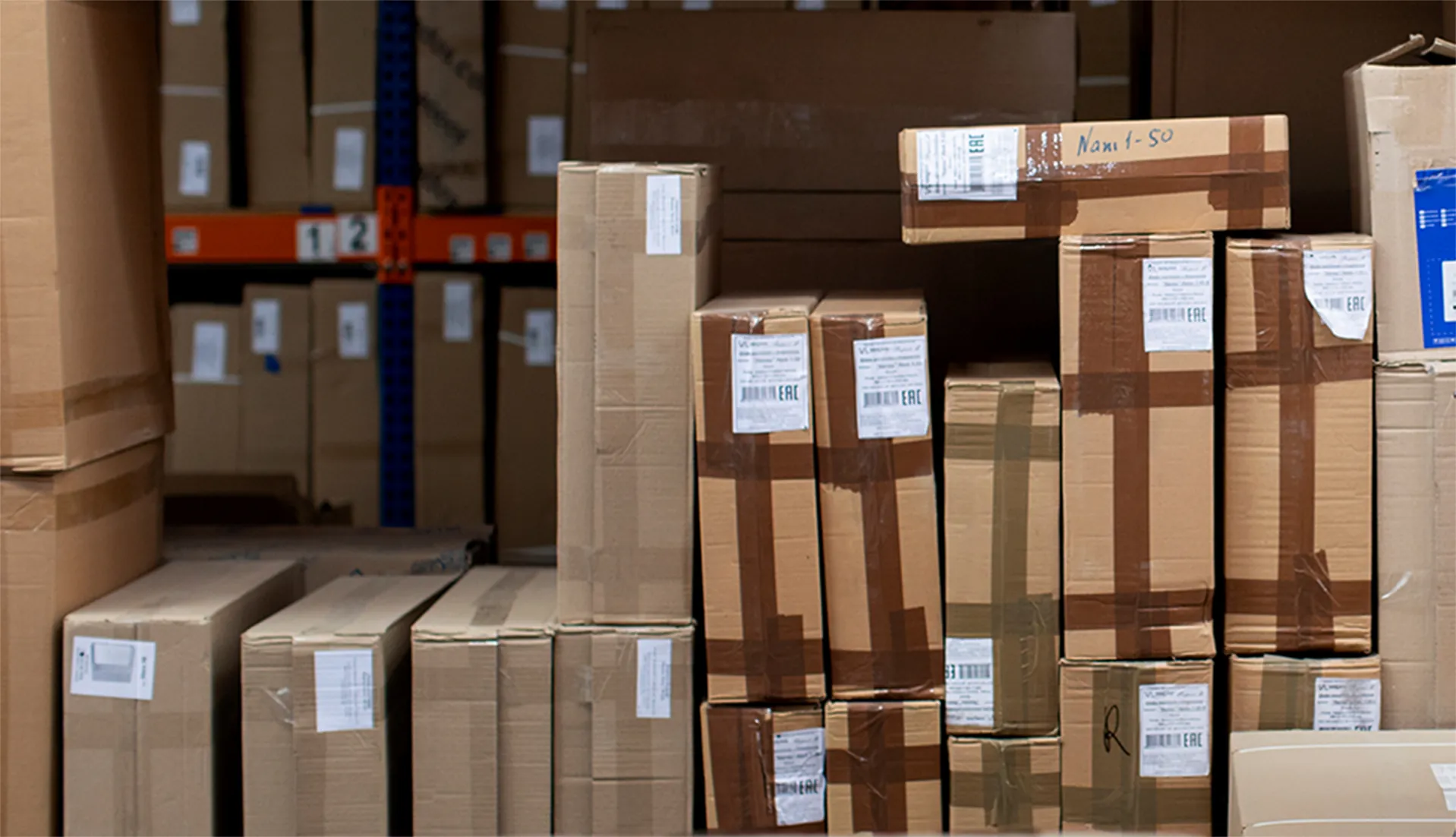
Metal Standard RFID labels may experience significant performance loss when attached directly to metal. A dedicated on-metal construction is required.
Recommended Options
• On-metal RFID Labels

Liquid or Liquid Containers Liquids can absorb or interfere with RFID signals, especially at UHF frequencies.
Recommended Options
• On-liquid RFID Labels

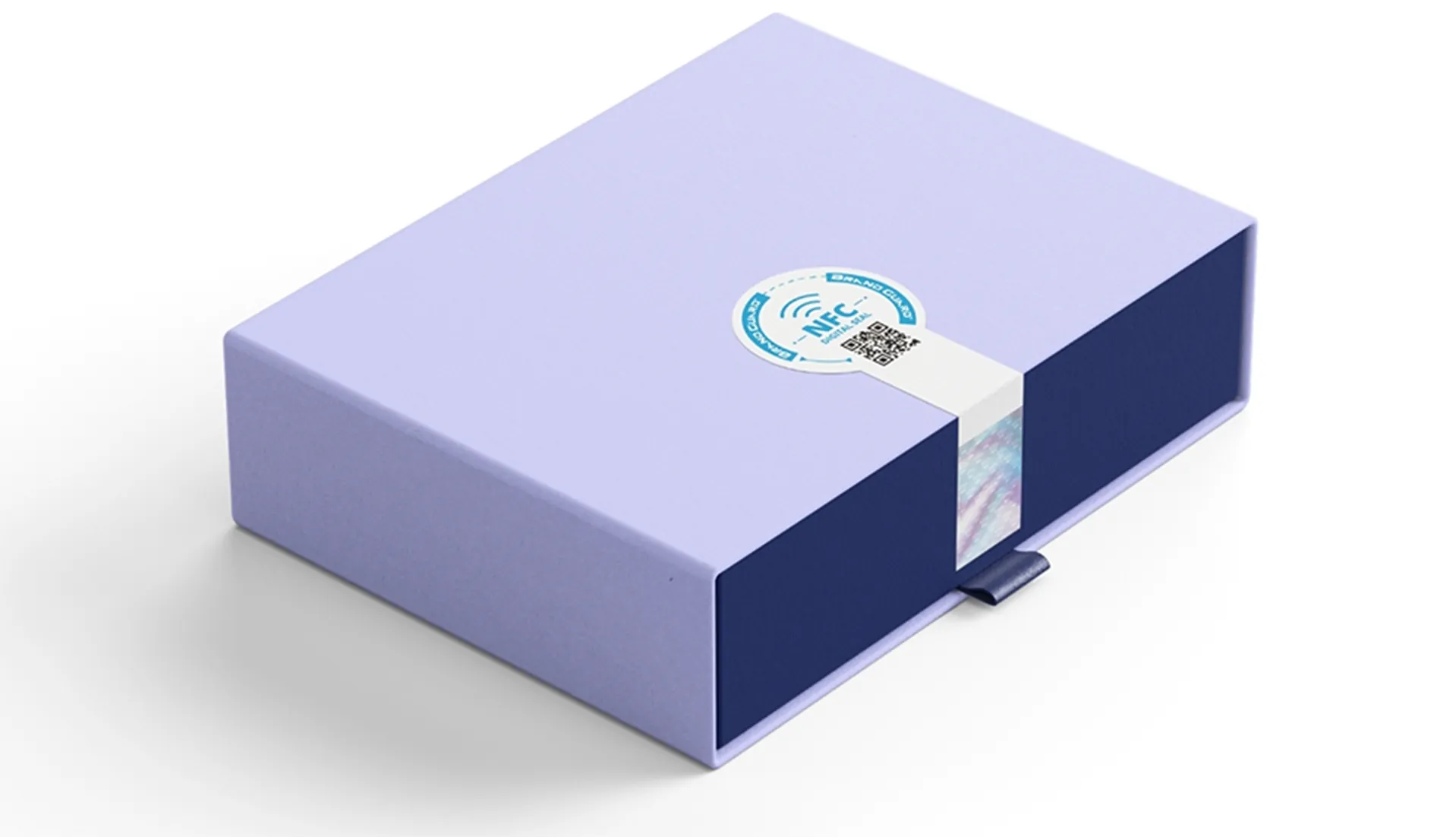
Tamper-proof / Tamper-evident Suitable for applications where the label must not be removed, transferred, or reused without visible evidence.
Recommended Options
• Tamper-evident RFID Labels
Printing Requirements How Will the RFID Labels Be Printed and Encoded?
The installation environment and mounting surface affect the label material, adhesive, antenna design, and RFID reading performance.
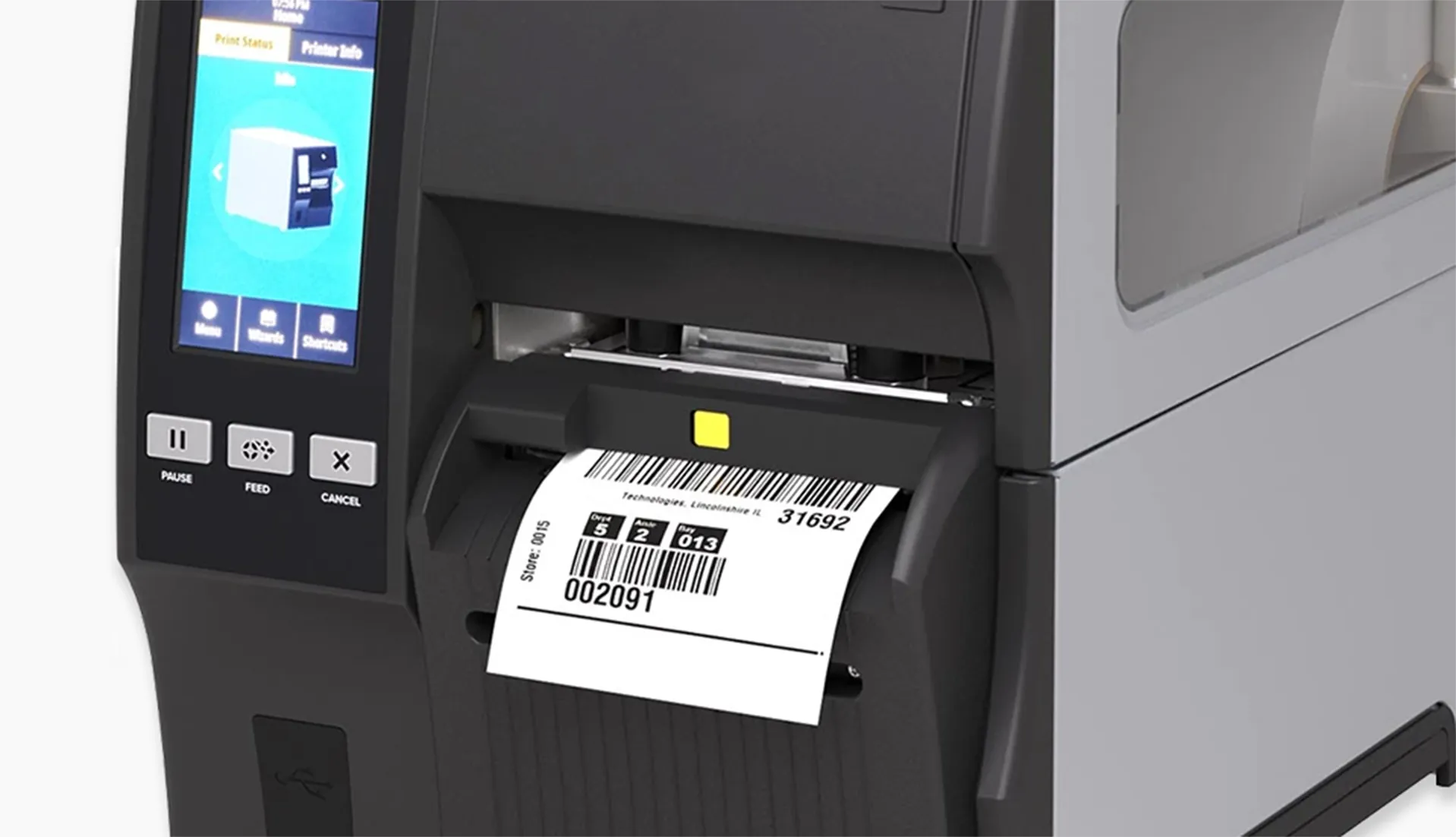
1.Printing Technology
Direct Thermal No ribbon is required. It is simple to use and suitable for short-term applications in controlled environments.
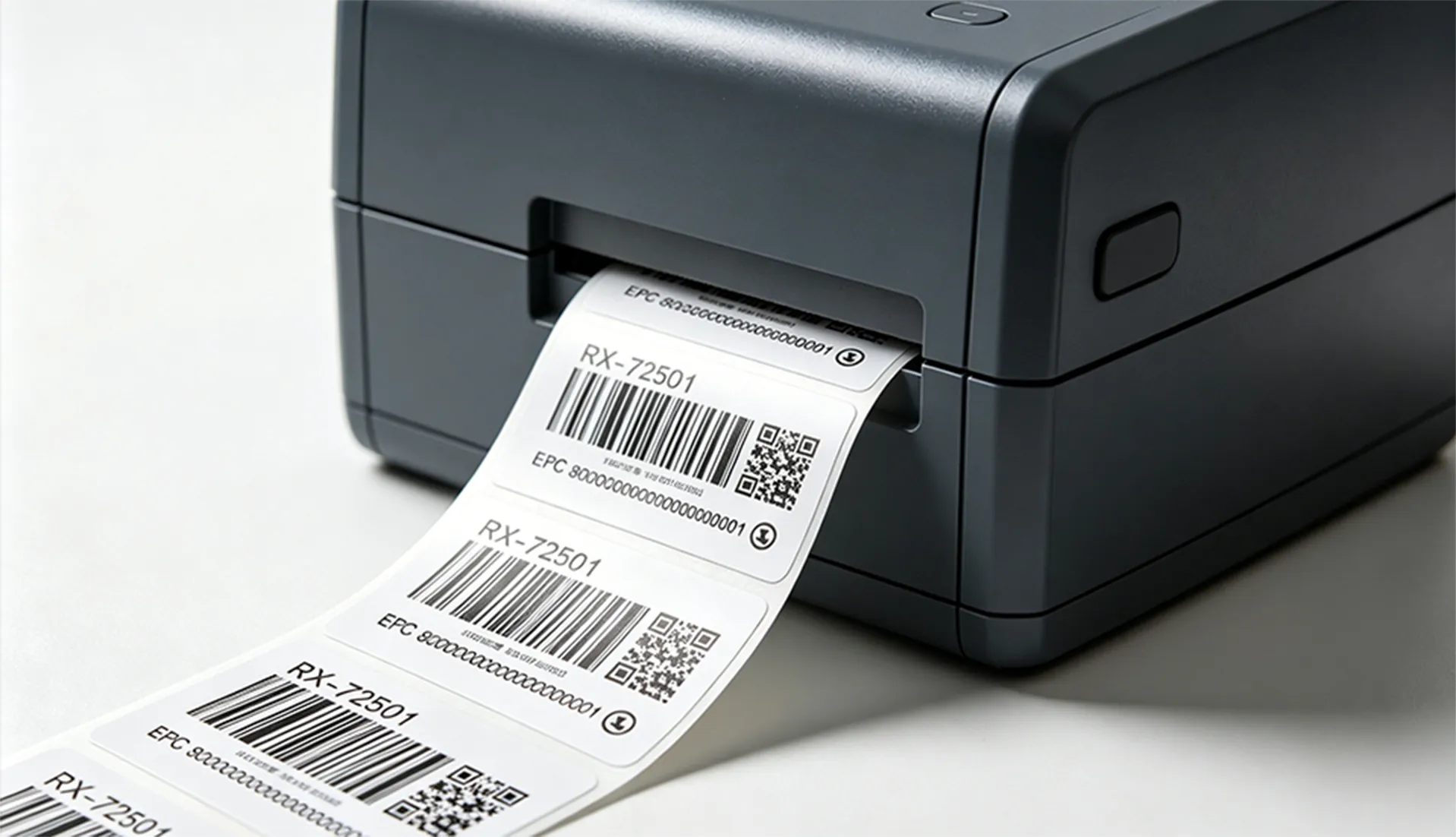
Thermal Transfer A ribbon is required. Printed information lasts longer and offers better resistance to abrasion and environmental exposure.
Recommended Options
• Thermal Transfer RFID Labels
2.Label Detection Method
Note: The liner, label gap, and black mark position must be compatible with the printer sensor.
3.Roll Core Size
What Roll Core Size Does Your Printer Require? The standard inner diameter of the roll core is typically 3 inches
Additional Specifications

4.Label Gap and Roll Specifications

How Will Your RFID Labels Be Printed?
Print and encode in-house We provide blank RFID labels for your own printing and encoding
Use our printing and encoding service We can provide logo, barcode, QR code, variable data printing, and RFID encoding.
RFID Frequency and Protocol
The RFID frequency determines the reading distance, reading method, equipment compatibility, and typical applications.
| HF RFID | NFC | UHF RFID | |
|---|---|---|---|
| Frequency | 13.56 MHz | 13.56 MHz | 860–960 MHz |
| Characteristic | Reading Distance: Short Range | Readable with NFC-enabled Smartphones Suitable for Consumer Interaction and Connected Products | Supports Bulk Reading Supports Longer Reading Distances |
| Common Protocols | ISO/IEC 15693, ISO/IEC 14443-A/B | EPC Class 1 Gen 2, ISO/IEC 18000-6C | |
| Common Applications |
|
|
Why Are LF RFID Labels Less Common?
1.Available Mounting Space
2. Label Size and Reading Distance
Smaller labels usually have a shorter read range because of limited antenna space.
Actual performance also depends on the chip, antenna design, mounting surface, and operating environment.
Library and Books
Printable with barcodes and library identification numbers
Typically uses HF/NFC
Recommended Categories
• NFC Book Labels
Warehouse and Logistics
Recommended Categories
• UHF RFID Labels
Asset Tracking
Unique Item Identification
Suitable for Metal, Plastic, or Electronic Equipment
May Require Tamper-evident Features
Recommended Categories
• RFID Asset Tracking Labels
• Tamper-evident On-metal RFID Labels
Retail
Inventory Counting
Supply Chain Tracking
Variable Data Printing
Recommended Categories
• ARC-certified RFID Labels
• RFID Hang Tags

When selecting an RFID label supplier, consider not only product performance and production capability, but also its quality, environmental, and information security management systems.
In addition to ISO 9001 and ISO 14001, we are also certified to ISO/IEC 27001, providing enhanced data security for RFID encoding, variable data printing, and customized projects.
For projects involving RFID encoding, variable data printing, or customized label services, information security management is also an important factor to consider when selecting a supplier. Suppliers certified to ISO/IEC 27001 typically have structured data management processes in place, providing better protection for encoding files, variable data, and project-related information.
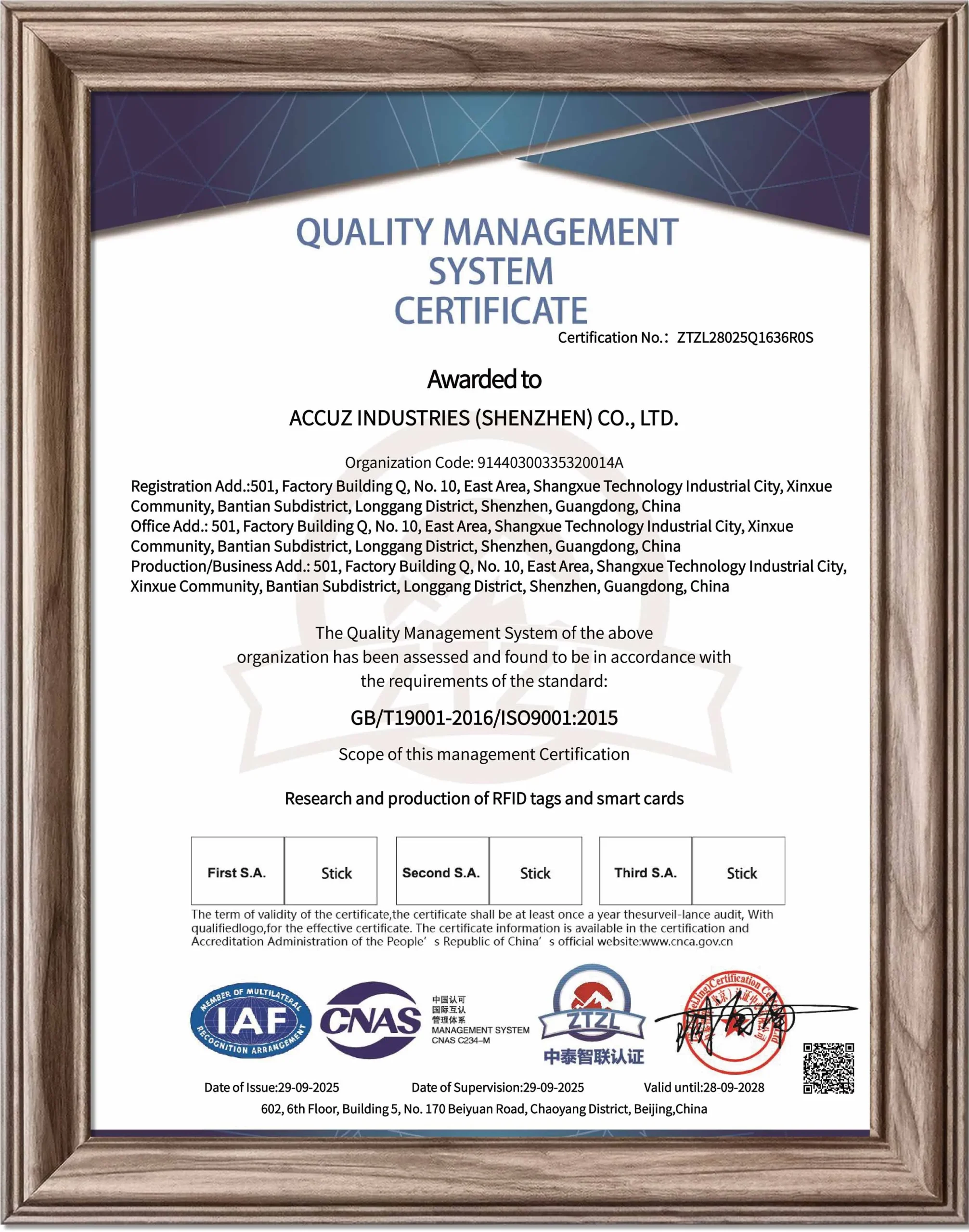
ISO 9001

ISO 14001
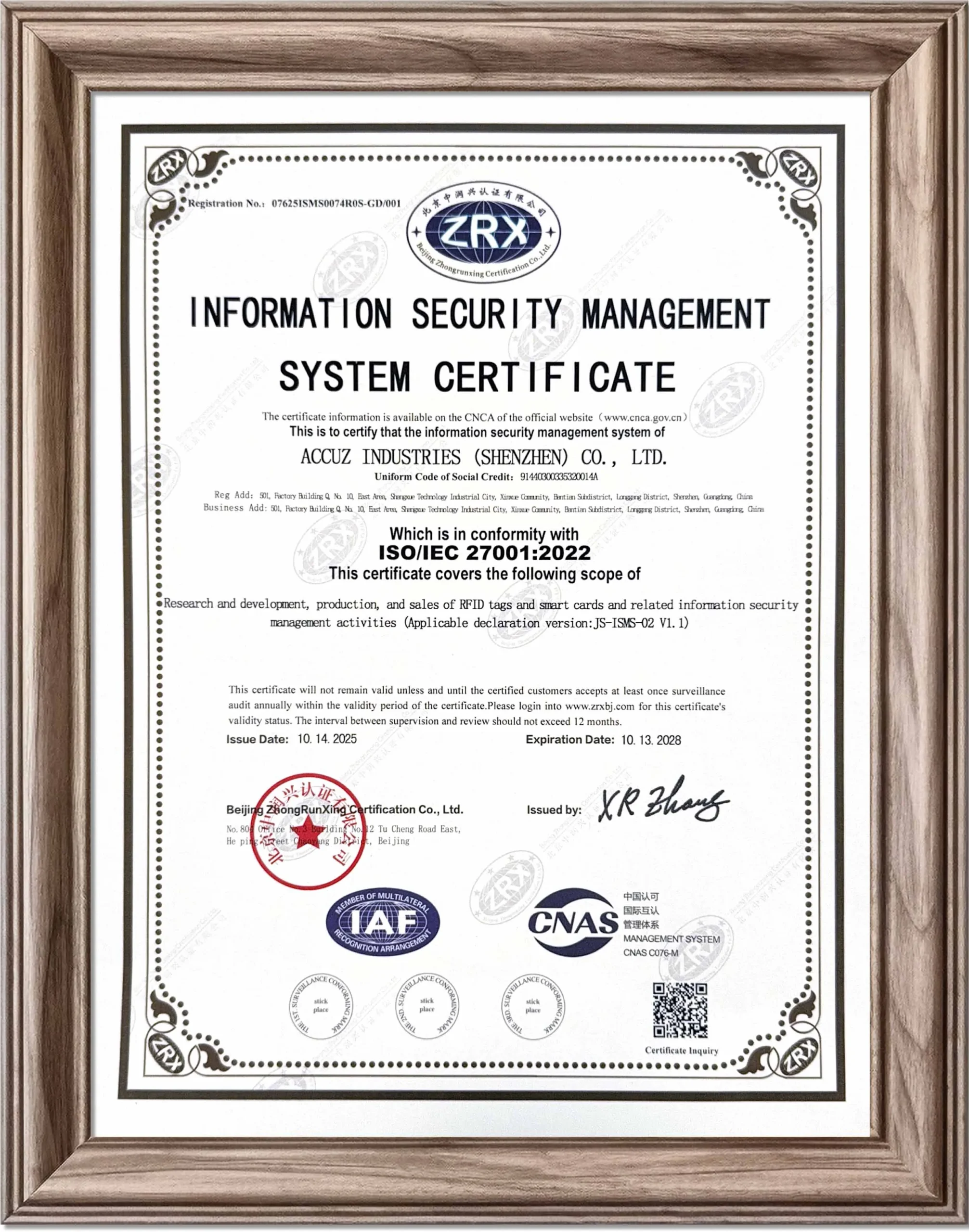
ISO/IEC 27001
Send your selection results to our RFID engineers. We will recommend suitable products based on your environment, equipment, and performance requirements.