
Washable Textile RFID Label
Washable, Readable, Traceable, Reliable.
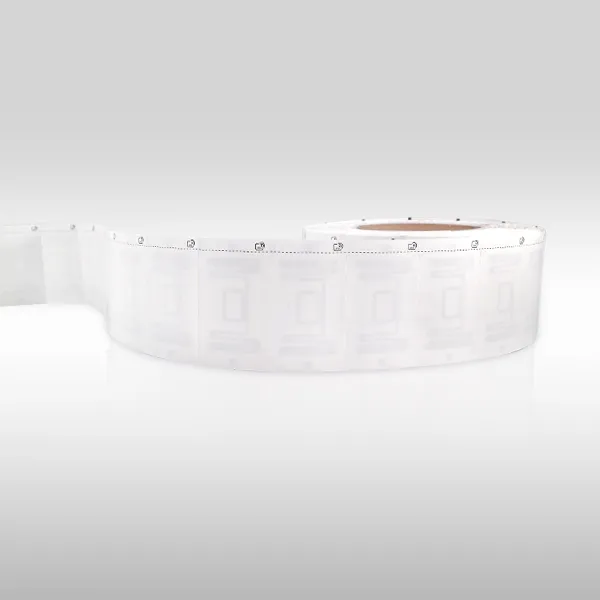
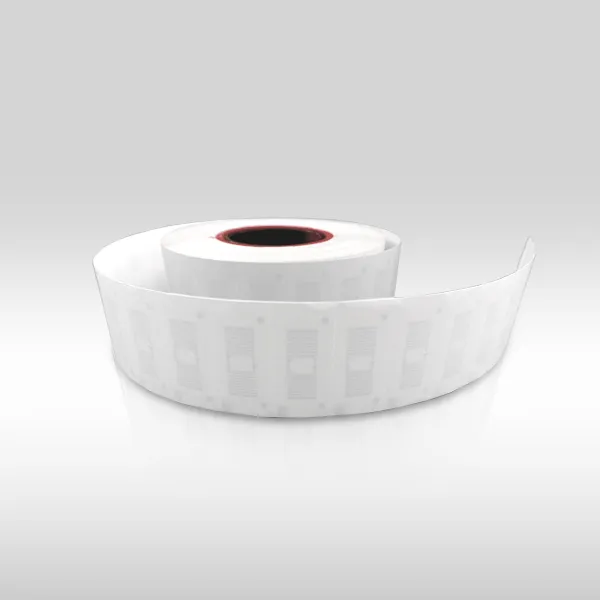
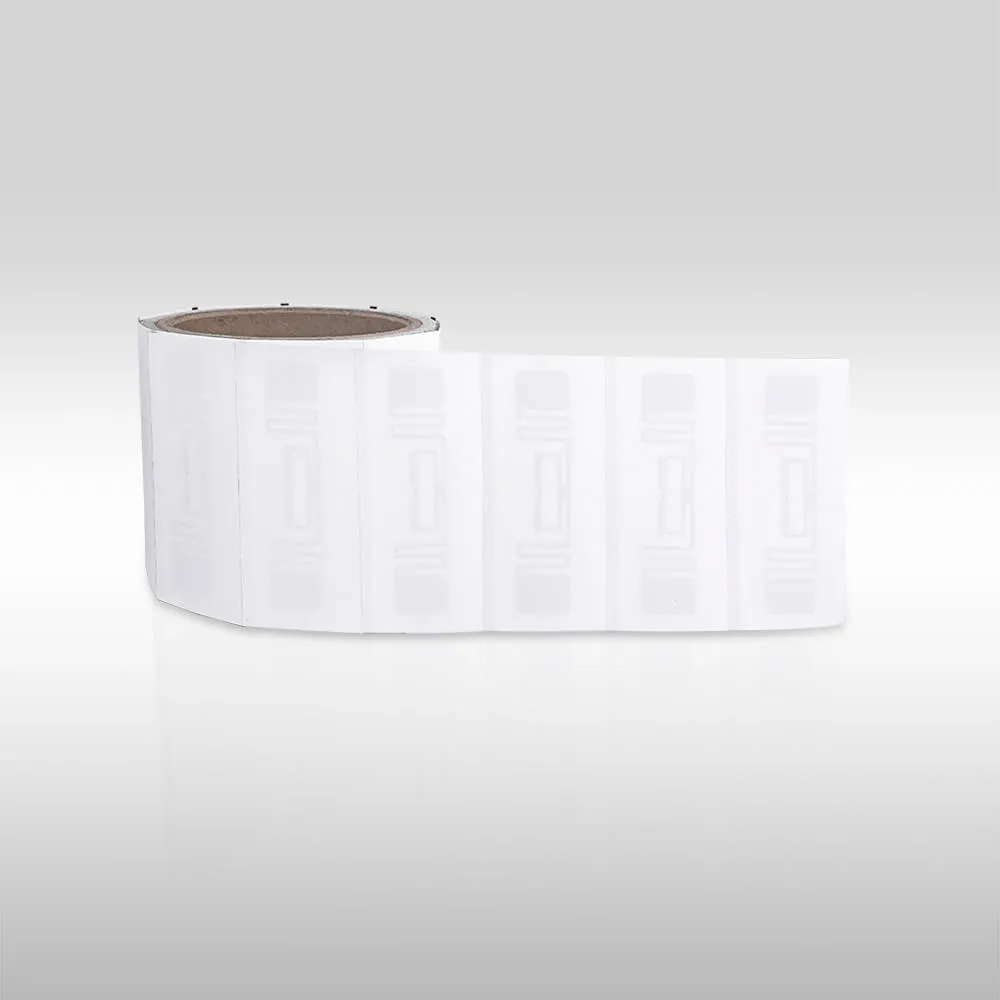
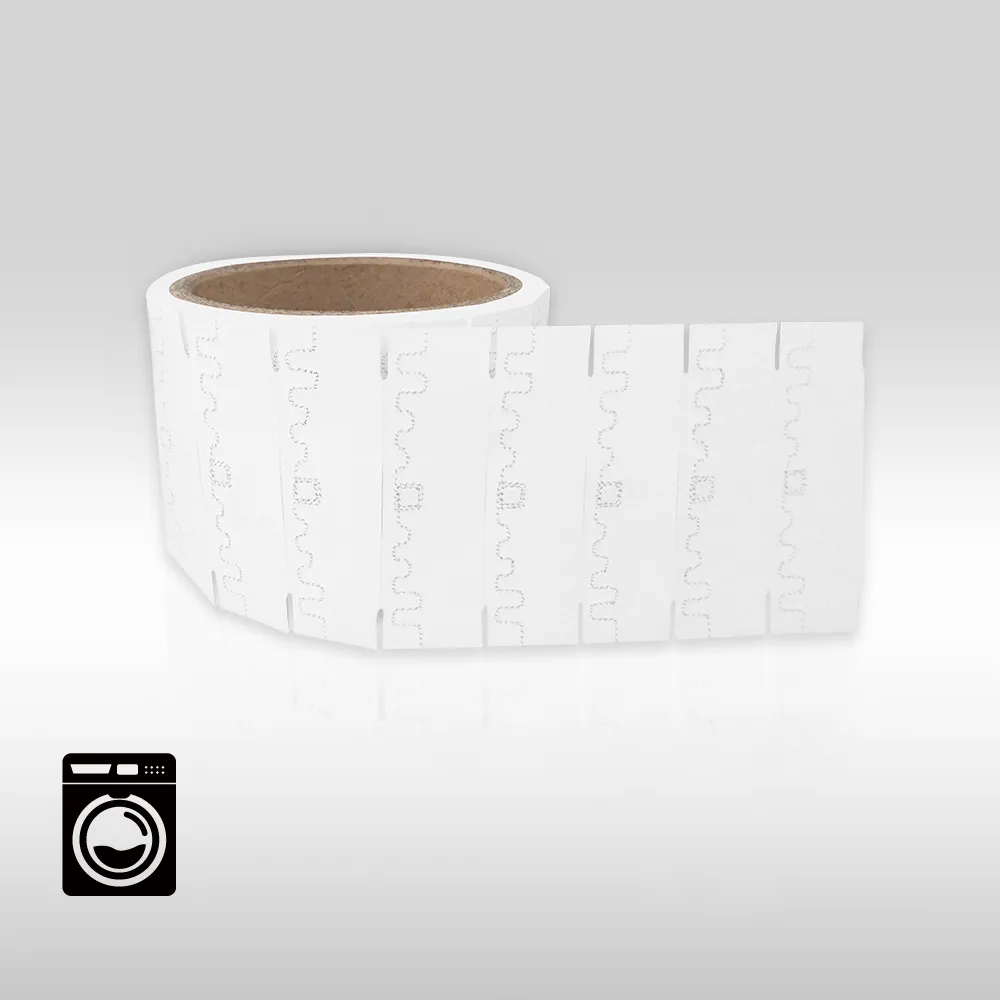
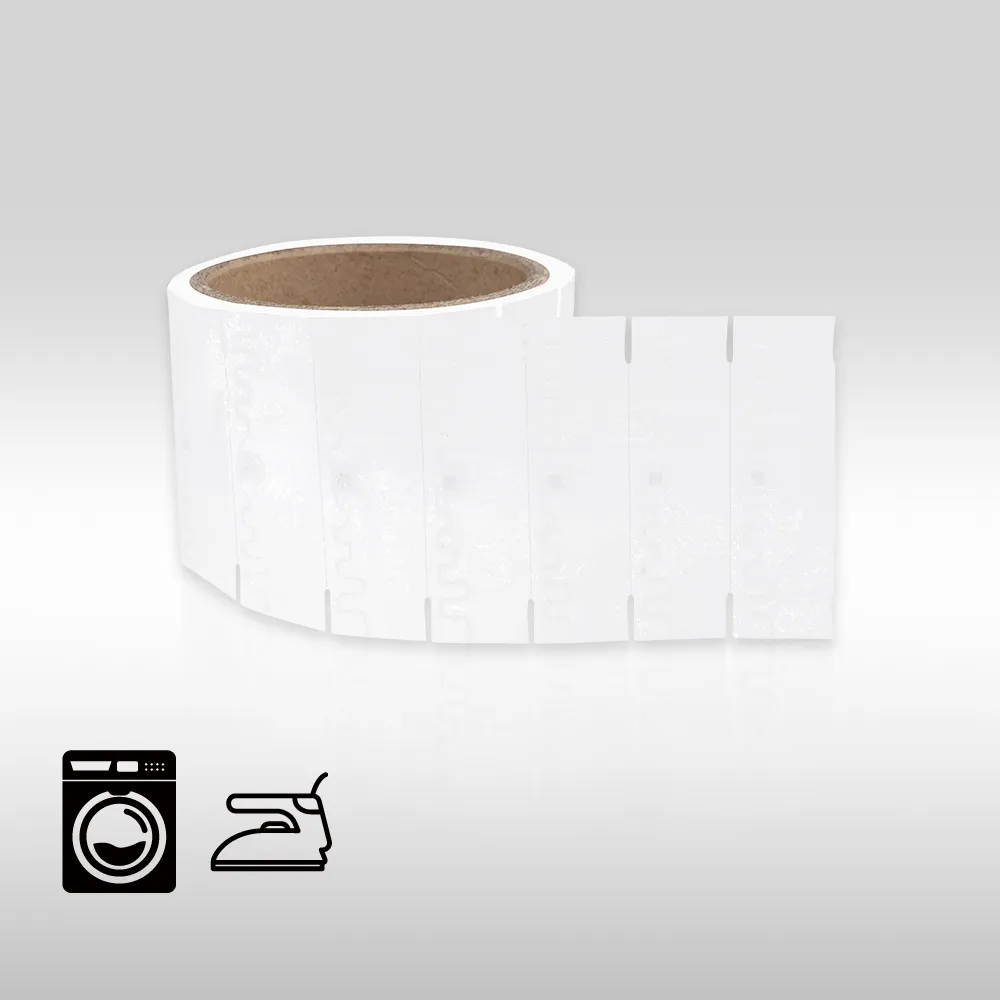
What's Washable Textile RFID Label?
A Textile RFID Label is a specialized radio frequency identification (RFID) tag designed for the textile and apparel industry. Made from soft yet durable materials, these labels are engineered to endure various environmental conditions, including several washing, wearing, and storage. By integrating RFID technology, they enable fast, accurate tracking and identification of items, significantly enhancing operational efficiency in areas such as supply chain management, inventory control, and retail operations.
| SKU | Size | Chip Type | EPC Memory(bits) | Test Results | Reading Distance(m) | 100% Instant Read Time(s) |
| AZL-U9-NL-7040 | 70x40mm | UCODE®9 | 96 | Single Tag | 5.6 | 1 |
| Multiple Tags | 5.6 | 1 | ||||
| Multiple (after washing) Tags | 5.4 | 1 | ||||
| AZL-U9-NL-6631 | 66x31mm | UCODE®9 | 96 | Single Tag | 2.2 | 0.6 |
| Multiple Tags | 3.5 | 1.9 | ||||
| Multiple (after washing) Tags | 3.5 | 0.7 |
Reader Testing power: 30 dBm
Frequency Band: US standard 902-925 MHz
The final reading distance depends on the actual application scenario.

Key features of Washable Textile RFID Label
Flexible Design
Textile RFID labels are designed to be ultra-thin and can easily be embedded in fabrics such as clothing, mattresses, towels, and more, without compromising the textile’s comfort or appearance. These labels are lightweight and soft, ensuring they have minimal or no impact on the garment’s feel or adding any extra weight, making them perfect for long-term wear. At the same time, the labels are marked with dotted lines for precise sewing.




Benefits of Washable Textile RFID Label

Improve management efficiency
Washable textile RFID labels can greatly enhance item management efficiency, particularly in environments where cleaning is necessary, such as retail, supply chain and manufacturing. Unlike traditional barcode systems or manual tracking, which rely on manual entry and identification, RFID labels allow for automatic data reading. This eliminates the need for manual intervention, significantly improving both the speed and accuracy of inventory and asset management.

Improve the accuracy of item tracking and inventory management
RFID technology significantly enhances the automation and accuracy of item tracking, especially for large quantities of products such as apparel, bedding, towels, and garments. By embedding RFID labels into these items, businesses can streamline item identification and inventory management, minimizing human error and reducing the risk of loss. This automation not only boosts efficiency but also improves overall inventory accuracy.

Enhance Customer Experience
Washable textile RFID labels not only improve management efficiency but also enhance the consumer experience. In the apparel retail sector, RFID labels enable customers to quickly check inventory availability, improving their shopping experience with greater convenience.

Enhance anti-theft function
RFID labels can also play a role in preventing theft in industries such as apparel retail and logistics. By embedding RFID labels, merchants are able to accurately monitor the movement of items and identify stolen or unauthorized items in real-time. RFID systems are often used in conjunction with alarms, which are triggered when labels are not scanned correctly, effectively reducing the rate of theft.

Reduce Labor Costs and Errors
Automated RFID technology helps organizations reduce reliance on manual operations, minimizing human error. In traditional inventory, cleaning, and logistics management, employees manually check item status, quantity, or location, often leading to mistakes. RFID automates these processes, improving efficiency, reducing labor costs, and ensuring high accuracy by automatically recording and updating information without human intervention.

Exploring the Role of RFID Tags in the Clothing Supply Chain.
Ensuring Smooth Operations Throughout the Entire Lifecycle of the Fashion Industry.


FAQs
Clothing: including work clothes, uniforms, sportswear, etc.
Home textiles: such as mattresses, bed sheets, towels, quilt covers, curtains, etc.