
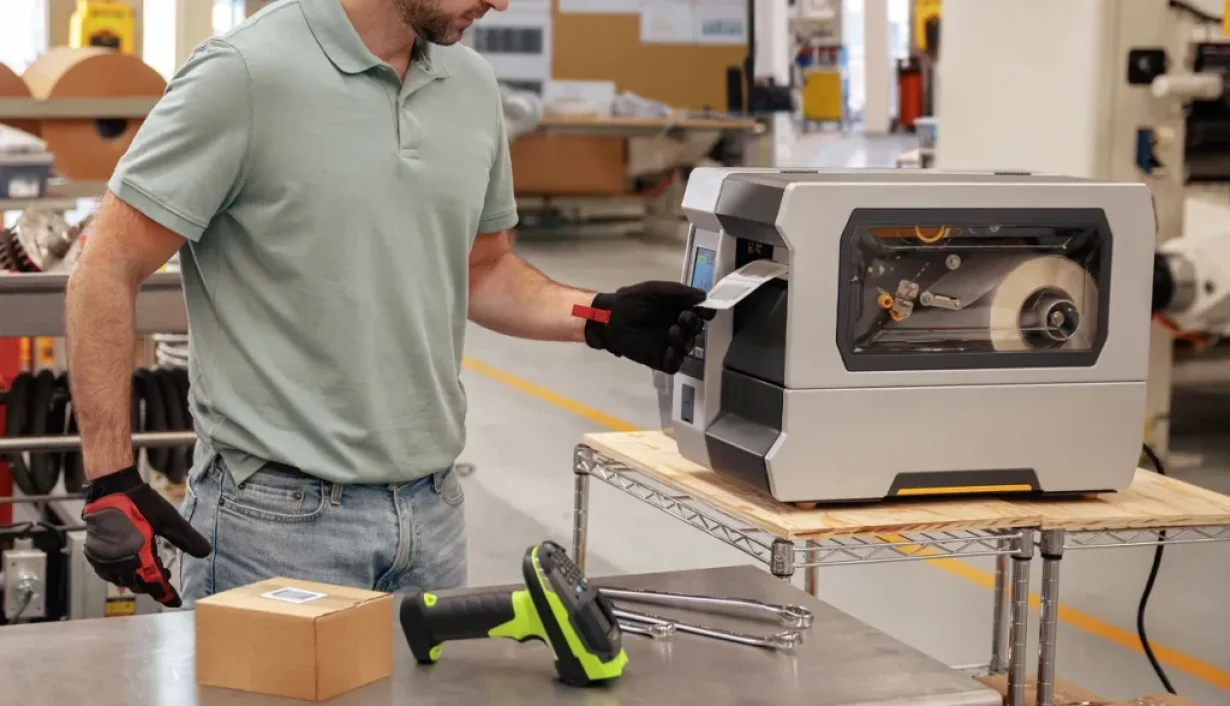

When exploring the diverse world of RFID technology, understanding the various RFID label Printer Categories is crucial for any business looking to optimize its operations. From enhancing inventory management to streamlining supply chains, the right RFID printer can make all the difference. We’re here to guide you through the different types of RFID label printers available, helping you identify the perfect solution for your specific needs. We’ll delve into their functionalities, ideal applications, and key considerations, ensuring you make an informed decision that drives efficiency and success for your enterprise.
Industrial RFID Printers: Powerhouses for High-Volume Operations
Industrial RFID printers are built for demanding environments and high-volume printing needs. These robust machines are designed for continuous operation, offering superior durability and reliability. They are ideal for large-scale manufacturing, logistics, and retail operations where thousands of RFID labels are printed daily. When considering RFID label Printer Categories, industrial printers stand out for their speed, capacity, and ability to handle various media types, including durable labels for harsh conditions.
Desktop RFID Printers: Versatility for Mid-Volume Needs
Moving down the scale in terms of volume but not in versatility, desktop RFID printers are a popular choice for businesses with mid-volume printing requirements. These printers are more compact than their industrial counterparts, making them suitable for office environments, small to medium-sized warehouses, and retail back-offices. They offer a balance of performance and affordability, making them a strong contender within the RFID label Printer Categories for many businesses. Desktop models are often user-friendly and can handle a variety of label sizes and types, providing flexibility for diverse applications.
Mobile RFID Printers: Portability for On-the-Go Labeling
For applications requiring ultimate flexibility and portability, mobile RFID printers are an invaluable asset. These compact, lightweight devices allow users to print RFID labels on demand, directly at the point of application. This is particularly beneficial in environments like retail floors for price changes, field service operations for asset tracking, or healthcare settings for patient identification. While they typically have lower print volumes compared to industrial or desktop models, their ability to print anywhere makes them a unique and essential part of the RFID label Printer Categories landscape. They often connect wirelessly via Bluetooth or Wi-Fi, offering seamless integration into existing mobile workflows.

Specialized RFID Printers: Tailored for Unique Applications
Beyond the general categories, there are also specialized RFID printers designed to meet the unique demands of specific industries or applications. These might include printers capable of handling extremely small tags for medical devices, durable tags for outdoor use, or high-security tags for sensitive documents. While not as broadly categorized as industrial or desktop models, these specialized units highlight the breadth of RFID label Printer Categories and the industry’s commitment to providing tailored solutions. They often feature advanced encoding capabilities and material handling options to accommodate their niche requirements.

Choosing the Right RFID Printer: Key Considerations
Selecting the appropriate RFID printer from the various RFID label Printer Categories requires careful consideration of several factors. Your decision should align with your operational needs, budget, and future growth plans. Here’s a breakdown of key aspects to evaluate:
Volume and Speed Requirements
This is perhaps the most critical factor. How many labels do you need to print daily? For high-volume operations (thousands of labels per day), industrial printers are indispensable. For hundreds, a desktop printer might suffice. For on-demand, sporadic printing, mobile printers are best.
Environment and Durability
Where will the printer be used? A dusty warehouse or a clean office? Industrial printers are built to withstand harsh environments, while desktop printers are better suited for controlled settings. Mobile printers offer flexibility but might require more careful handling.
Integration and Connectivity
How will the printer integrate with your existing systems? Look for printers that offer various connectivity options (USB, Ethernet, Wi-Fi, Bluetooth) and are compatible with your current software infrastructure. Seamless integration minimizes setup time and maximizes efficiency.
Media Compatibility and Customization
Consider the types of RFID labels you’ll be using. Do you need to print on different materials, sizes, or shapes? Some printers offer greater flexibility in media handling and customization options, which is vital for specialized applications.
Budget and Total Cost of Ownership (TCO)
Beyond the initial purchase price, consider the ongoing costs of consumables (labels, ribbons), maintenance, and potential downtime. A cheaper printer upfront might end up being more expensive in the long run if it’s not suited for your volume or environment.

Conclusion: Empowering Your Business with the Right RFID Printing Solution
Navigating the diverse landscape of RFID label Printer Categories can seem daunting, but with a clear understanding of your operational needs and the characteristics of each printer type, you can confidently select a solution that propels your business forward. Whether you require the robust power of an industrial printer, the versatile efficiency of a desktop model, or the agile portability of a mobile unit, the right RFID printer is a strategic investment that enhances accuracy, improves efficiency, and provides invaluable insights into your assets and inventory. We trust this comprehensive guide has illuminated the path to making an informed decision. To explore our extensive range of high-quality RFID products and discover how they can be tailored to your unique requirements, we invite you to visit rfidlabel.com. Our team is ready to assist you in finding the perfect RFID solution to empower your business.
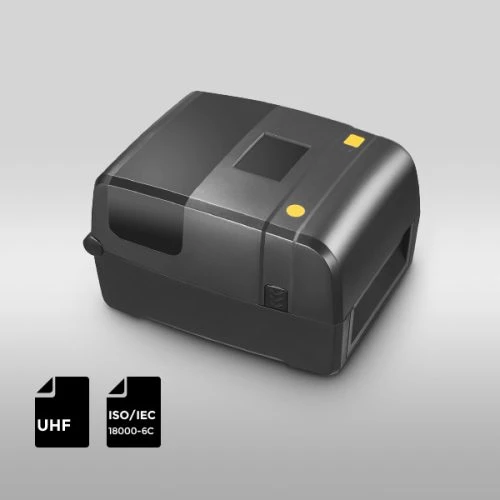
UHF RFID Printer AZ-CP30
Print speed up to 8 ips. With RFID function supporting UHF RFID, 860–960 MHz, and EPC C1G2 (ISO 18000–6C), with the function to automatically identify the printer head with 203 dpi and 300 dpi and automatically configure the printer without PC settings. With super large storage, DDR2 RAM 128 MB, Flash 256MB. Support multiple interfaces, USB HOST, B-type USB, Ethernet port for standard, Wi-Fi, and Bluetooth module for optional.



