


In today’s rapidly evolving industrial landscape, efficiency, visibility, and automation are critical for businesses to maintain competitiveness. The Industrial Internet of Things (IIoT), serving as a bridge between the physical and digital worlds, is fundamentally transforming traditional industrial operations. Within this revolution, the integration of Radio Frequency Identification (RFID) technology with various sensors is infusing unprecedented vitality into the IIoT, creating smarter and more efficient solutions.
RFID technology, with its non-contact identification, batch reading capabilities, and ability to operate in harsh environments, has become the cornerstone of asset tracking, inventory management, and supply chain optimization. However, RFID tags typically only provide an item’s identity and location information. When this “identity” data is combined with the “status” information provided by sensors—such as temperature, humidity, pressure, vibration, and more—we gain a more comprehensive and deeper insight into the physical world. This fusion not only elevates the dimensionality and value of data but also sparks numerous innovative applications. It enables smarter industrial processes, makes predictive maintenance feasible, and ultimately propels the realization of Industry 4.0.
This article will delve into five innovative ways RFID and sensor converge, demonstrating how their synergy drives revolutionary advancements in the Industrial Internet of Things (IIoT) and helps enterprises unlock new operational efficiencies and commercial value.
Environmental Monitoring and Asset Health Management
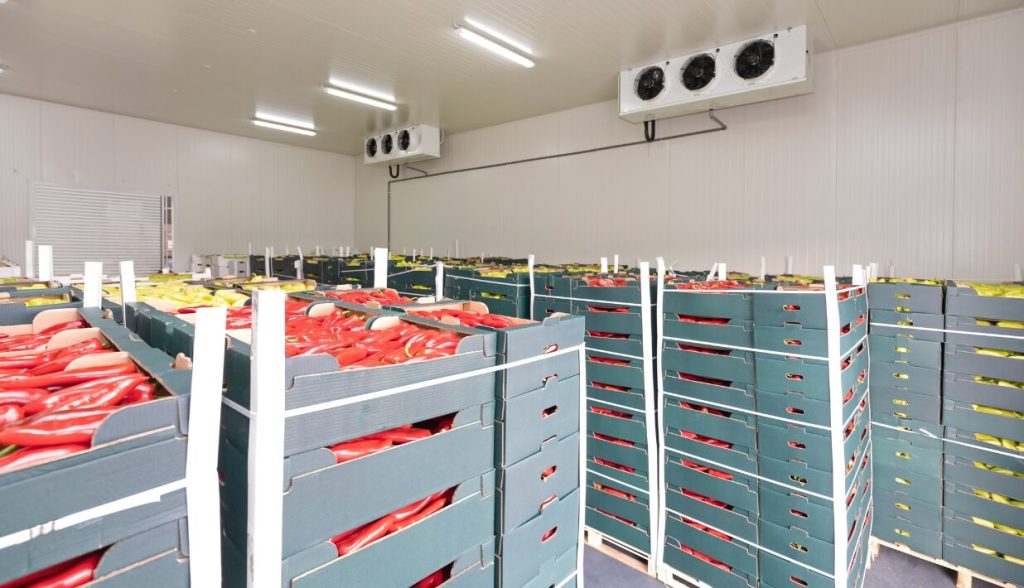
Traditional asset tracking primarily focuses on the location of items. However, in many industrial scenarios, understanding the environmental conditions surrounding assets and their own health status is equally critical. By integrating RFID tags with environmental sensors—such as temperature, humidity, and pressure sensors—real-time environmental monitoring can be achieved for perishable goods, sensitive equipment, or specific production areas. For instance, in cold chain logistics, RFID tags equipped with temperature sensors continuously record temperature fluctuations during transit. Should readings exceed preset thresholds, the system immediately triggers alerts, ensuring product quality and regulatory compliance.
Furthermore, combining RFID with vibration, acceleration, or acoustic sensors enables predictive maintenance for industrial equipment. By monitoring abnormal vibrations or noises, potential failures can be detected early, allowing intervention before actual damage occurs. This significantly reduces downtime, lowers repair costs, and extends equipment lifespan. RFID tags provide unique device identification, while sensors deliver real-time operational status data—together forming a robust asset health management system.
Smart Manufacturing and Quality Control
In the field of smart manufacturing, precise control over production processes and real-time quality monitoring are key to enhancing product competitiveness. The integration of RFID with sensors provides a powerful tool for achieving this goal. By deploying RFID tags equipped with sensors on production lines, every product or component can be tracked through each stage of the manufacturing process, with critical production parameters recorded in real time.
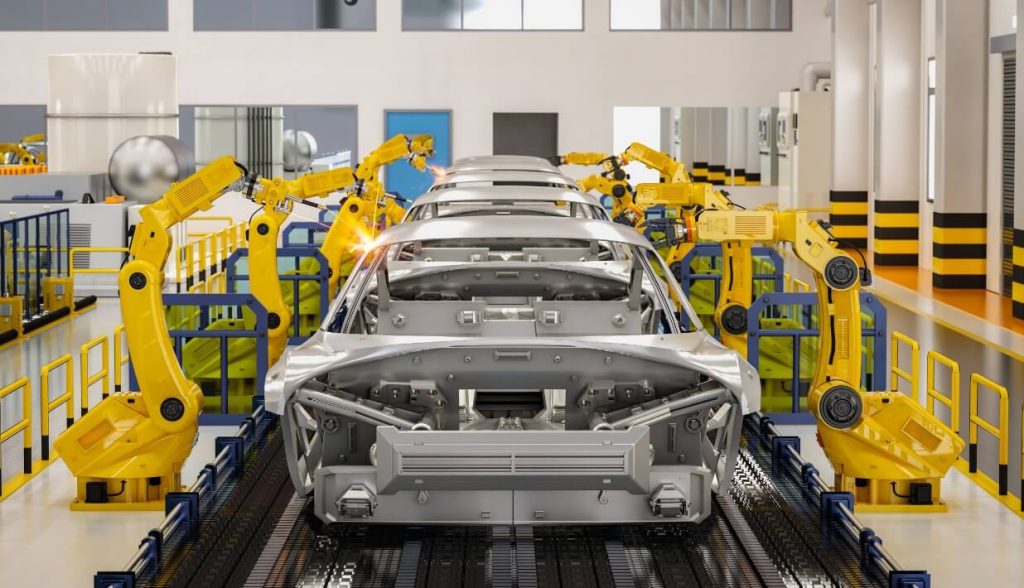
For instance, in automotive manufacturing, RFID tags equipped with torque sensors ensure each bolt is tightened to the correct torque specification, with data logged into the product’s digital record. During electronics assembly, RFID systems with vision sensors can automatically verify component placement accuracy and identify defects. This real-time data collection and analysis capability enables manufacturers to swiftly detect and correct deviations in the production process. Consequently, it significantly improves product quality consistency and reliability while reducing scrap rates and rework costs.
Supply Chain Visibility and Anti-Counterfeiting Traceability
The increasing complexity of global supply chains makes it challenging for businesses to comprehensively track the flow and status of their products. The integration of RFID and sensors offers a solution for building highly visible smart supply chains. By attaching RFID tags equipped with GPS, temperature, humidity, and other sensors to goods, pallets, or containers, companies can track shipments in real time throughout the entire journey from production sites to end consumers.
This integrated technology not only provides location data but also monitors environmental conditions during transportation and storage, ensuring products are delivered in optimal condition. For instance, if high-value or perishable goods encounter temperature anomalies during transit, the system immediately triggers alerts and logs the incident. Furthermore, by integrating encryption and blockchain technologies, RFID and sensors deliver robust anti-counterfeiting and traceability capabilities. Consumers can scan tags to access complete lifecycle information, thereby enhancing brand trust and market transparency.

Intelligent Warehousing and Logistics Automation
In modern warehousing and logistics centers, efficiency and accuracy are key to operational success. The integration of RFID with sensors is driving the advancement of smart warehousing and logistics automation. By deploying RFID tags and sensors on goods, shelves, and material handling equipment, real-time, precise inventory management becomes achievable.
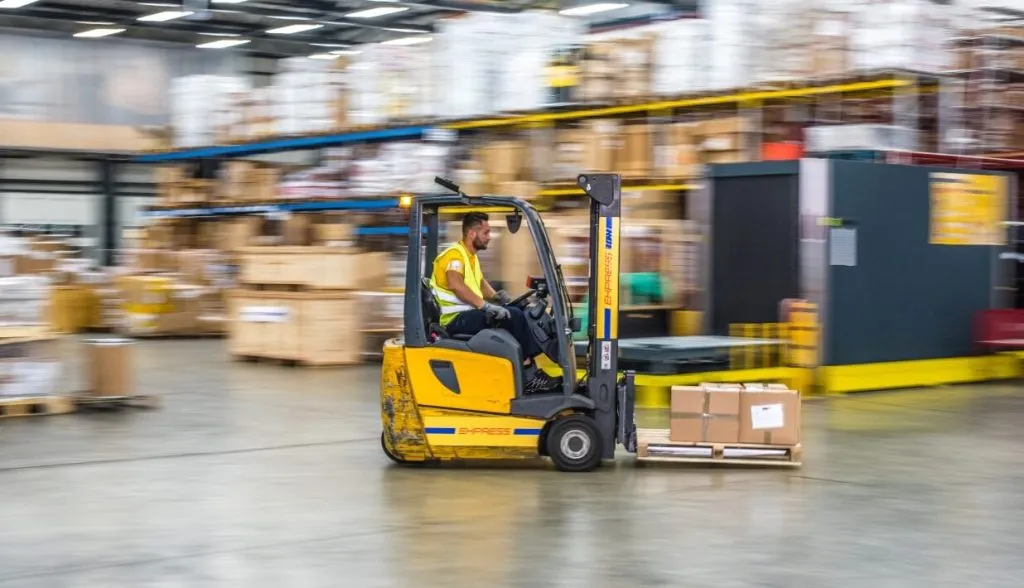
For instance, RFID readers equipped with distance sensors can automatically identify empty spaces on shelves and guide forklifts to place goods in designated locations. RFID tags with weight sensors monitor inventory levels in real time, automatically triggering replenishment orders when needed. Furthermore, integrating visual sensors with RFID enables automatic measurement of package dimensions and weight, cross-referencing this data with RFID tag information to ensure shipping accuracy.
Energy Management and Smart Buildings
In industrial facilities and smart buildings, energy efficiency and environmental comfort are critical operational metrics. The integration of RFID with sensors offers new avenues for achieving refined energy management and intelligent building control. By deploying RFID tags equipped with sensors on equipment, zones, or personnel, real-time monitoring of energy consumption, environmental parameters, and human activity patterns becomes possible.
For instance, in large factories, RFID tags with current sensors can monitor the energy consumption of specific machines. Combined with their operational status (identified via RFID), this data enables analysis to pinpoint energy waste points. In smart buildings, RFID systems equipped with light, temperature, and human presence sensors can automatically adjust lighting, air conditioning, and ventilation systems based on the number of occupants and their activity levels. This achieves a demand-based energy supply, preventing unnecessary consumption.
This integration not only helps enterprises achieve energy conservation and emission reduction goals while lowering operational costs but also provides employees with a more comfortable and healthier work environment. Through real-time insights into energy data and automated control, businesses can better optimize resource allocation and enhance the overall sustainability of their operations.
Conclusion
The integration of RFID and sensors is propelling the development of the Industrial Internet of Things at an unprecedented pace, bringing revolutionary changes across all industries. From asset health management to smart manufacturing, from supply chain visibility to intelligent warehousing, and extending to energy management and smart buildings, this converged technology is unlocking new efficiencies, reducing operational costs, enhancing product quality, and ultimately helping businesses maintain a competitive edge in increasingly complex market environments.
RFIDLabel is committed to delivering industry-leading quality, customized solutions, and eco-friendly material options to meet your growing demands in the IIoT era. We understand that every smart solution relies on reliable, high-performance RFID products. Whether you require customized RFID tags or seek integrated solutions combining RFID and sensor technologies, our expertise and extensive experience empower you to achieve your business objectives.





