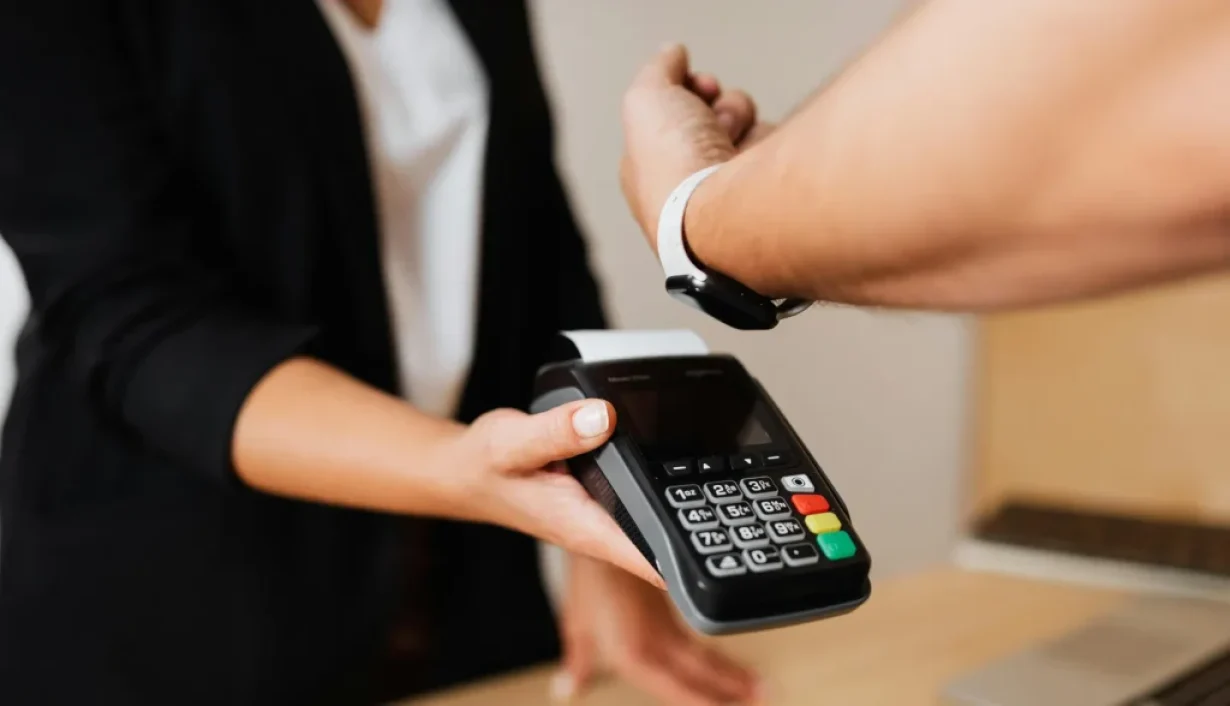

The integration of NFC in Apple Watch has fundamentally reshaped how we approach daily transactions, moving beyond mere convenience to establish a new standard for digital privacy and security. We recognize that in an increasingly connected world, the security of personal financial data is paramount. The technology embedded within the Apple Watch is not simply a digital wallet; it is a meticulously engineered system designed to keep your payment details private and your transactions anonymous from the merchant, a concept known as “Privacy by Design.” This approach ensures that while the transaction is seamless and instant, the underlying financial data remains shielded.
The Foundation of Security: Understanding the Secure Element
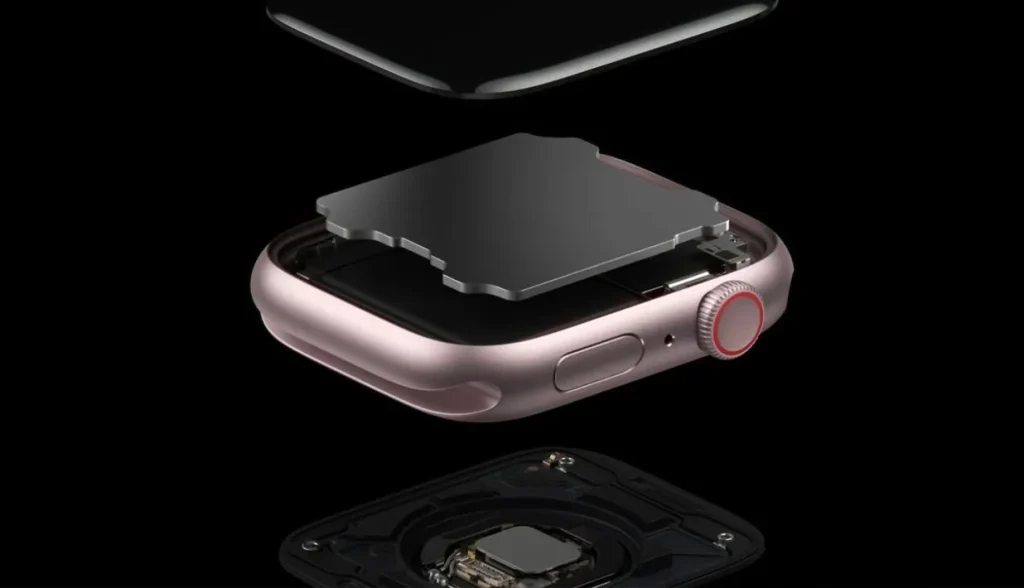
The core of the security architecture that powers NFC in Apple Watch lies in the Secure Element (SE), a dedicated, certified chip within the device. This element is a tamper-resistant enclave that stores your encrypted payment information, completely isolated from the device’s operating system and cloud services. When you add a credit or debit card to your Apple Watch, the actual card number is never stored. Instead, a unique Device Account Number (DAN) is created, encrypted, and stored in the SE. This process is known as tokenization, and it is the key to ensuring that your real card details are never exposed during a transaction.
Tokenization: The Core of Anonymous Transactions
Tokenization is the process that replaces sensitive data with a non-sensitive equivalent, or “token.” When you use NFC in Apple Watch to pay, the merchant receives only this token, not your primary account number. This is a crucial distinction that guarantees anonymity and security.
We can summarize the security benefits of this tokenization process as follows:
- Data Isolation: The actual card number is never transmitted to the merchant, Apple, or stored on Apple’s servers. It remains securely with the issuing bank and the payment network.
- Dynamic Cryptograms: Each transaction is authorized with a unique, one-time-use cryptogram generated by the Secure Element. If intercepted, this cryptogram is useless for any future transaction.
- Device-Specific Tokens: The DAN is tied specifically to your Apple Watch. If the device is lost or stolen, the token can be remotely deactivated without affecting the physical card.
- Merchant Anonymity: From the merchant’s perspective, the transaction is processed using a unique, temporary identifier, preventing them from linking the purchase back to your actual card details or building a profile based on your primary account number.
A Practical Look: How NFC in Apple Watch Works in the Real World
The practical application of this secure architecture is most evident in high-volume, daily use cases, such as public transit. The need for speed and security is paramount when millions of people are tapping to pay every day.
Case Study: Transport for London’s Contactless Revolution
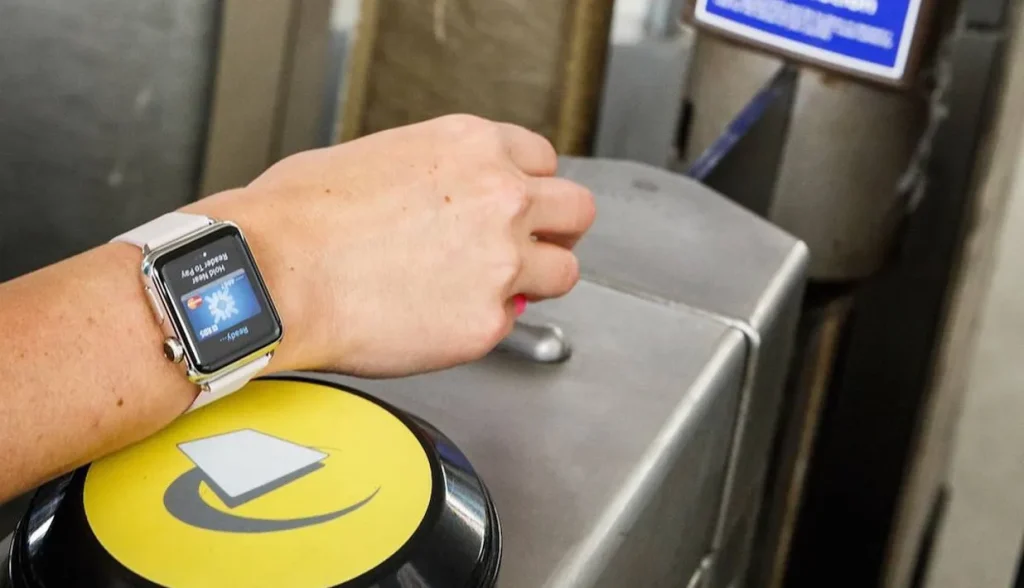
A prime example of the successful deployment of NFC technology, which is fully compatible with NFC in Apple Watch, is the Transport for London (TfL) network. TfL was a pioneer in adopting open-loop contactless payments, allowing riders to use their bank cards or mobile wallets directly at the turnstile . This system relies on the same tokenization principles to handle millions of transactions daily with speed and security.
The system’s success is not just in convenience but in its security model. When a commuter taps their Apple Watch, the transaction is processed in milliseconds. The transit reader receives the DAN and the dynamic cryptogram, which is then validated by the payment network. The merchant (TfL) never sees the primary card number, ensuring the commuter’s financial privacy is maintained even in a public, high-traffic environment.
Transaction Anonymity in Transit
The implementation of contactless payments in transit highlights the key differences between traditional and tokenized transactions:
| Feature | Traditional Card Swipe/Chip | NFC in Apple Watch (Tokenized) |
| Data Transmitted | Primary Account Number (PAN) | Device Account Number (DAN) |
| Security Key | Static Card Data | Dynamic, One-Time Cryptogram |
| Merchant Access to PAN | Yes, stored for recurring payments | No, only the DAN is visible |
| Privacy Level | Lower, risk of data breach | Higher, data is isolated and tokenized |
Beyond the Wallet: The Broader Implications of NFC in Apple Watch
The robust security framework of NFC in Apple Watch extends its utility far beyond simple retail purchases. We see this technology increasingly being adopted for access control, digital keys, and identity verification. This expansion is only possible because the underlying NFC communication is secure and reliable. For businesses, this means that the same high-quality NFC chips and tags used in access control cards, hotel key cards, and RFID labels must meet the stringent standards set by these mobile payment platforms. The demand for high-performance, durable, and secure NFC components is rising as more industries integrate this technology.
Conclusion
The privacy and security features inherent in the design of NFC in Apple Watch represent a significant leap forward in digital transaction technology. By utilizing the Secure Element and tokenization, we are provided with a payment method that is not only faster and more convenient but fundamentally more secure and anonymous than carrying a physical wallet. We are committed to providing the highest quality RFID and NFC products that align with these modern security standards. If your business requires custom RFID labels, secure access control solutions, or high-performance NFC labels, we invite you to explore our extensive product catalog and expertise at rfidlabel.com to find the perfect solution for your needs.

FAQs
1. Does using NFC in Apple Watch drain the battery faster than a standard transaction?
No. The NFC chip is designed to be highly power-efficient. For a transaction, the chip is only briefly activated when brought near a reader. Furthermore, the Secure Element is a low-power component. The overall impact on the Apple Watch’s battery life from making NFC payments is negligible.
2. Can a merchant track my purchases if I use my Apple Watch?
No, not directly via your payment token. Because the merchant only receives the unique Device Account Number (DAN) and a one-time cryptogram, they cannot link the transaction back to your primary credit card number. While they can track purchases made with that specific DAN, they cannot cross-reference it with your physical card details, ensuring a high degree of financial anonymity.
Recommended Product

NXP ICODE® SLIX PET NFC Wet Inlay Ø25mm

The Ø25mm NFC Wet Inlay featuring the NXP ICODE® SLIX chip delivers dependable, high-frequency NFC performance with support for ISO/IEC 15693 standards. Designed for applications requiring extended read range and reliable data handling, it is ideal for smart labeling, library systems, asset tracking, and access control. Its compact circular design and adhesive backing make it easy to apply on various non-metallic surfaces, including curved or limited-space areas. This wet inlay combines flexibility, durability, and high memory capacity — making it a smart choice for long-term, high-traffic NFC applications.