


In today’s rapidly evolving business landscape, Radio Frequency Identification (RFID) technology has become a fundamental component for enhancing operational efficiency and ensuring asset security. As the technology continues to mature and innovate, the scope of RFID applications is expanding at an unprecedented rate. For enterprises seeking to optimize supply chains, elevate customer experiences, or achieve more granular asset management, understanding the latest RFID applications is considered essential.
This article will explore ten new RFID technology applications that are projected to have a profound impact across various industries in 2026 and beyond. These applications not only demonstrate the powerful capabilities of RFID but also provide new perspectives for businesses to consider how these technologies can be leveraged to drive growth and innovation.
1. “Invisible” Inventory Management in Retail

The traditional process of inventory counting is often time-consuming and prone to human error. Emerging RFID technology is making this process virtually invisible and highly efficient.
Application Method: Ultra-High Frequency (UHF) RFID tags are being embedded directly into the hang tags or packaging of apparel, accessories, and electronic products. By utilizing fixed or handheld RFID readers, a complete inventory count of an entire store or warehouse can be accomplished within seconds. This level of automation significantly reduces the need for manual intervention, allowing staff to focus on customer service.
Business Value:
Enhanced Accuracy: Real-time inventory data ensures consistency between online and physical stock information. This consistency is crucial for minimizing out-of-stock situations and reducing overstocking. Accurate inventory levels are maintained, which is a key factor in successful omnichannel retail.
Optimized Shopping Experience: Store associates are enabled to quickly locate specific items for customers. Faster service is provided, which contributes to higher customer satisfaction and loyalty. The seamless integration of inventory data is being utilized to improve the overall retail environment.
2. High-Precision Asset Tracking in Healthcare

Within the healthcare environment, the tracking of high-value equipment and critical medical supplies is paramount for safeguarding patient well-being and improving operational effectiveness.
Application Method: Active RFID tags are being affixed to assets such as wheelchairs, infusion pumps, and surgical instruments. These tags continuously transmit signals, allowing hospital management systems to monitor their location and status in real-time. The use of active tags ensures a reliable and constant data stream, which is necessary for critical operations.
Business Value:
Reduced Equipment Loss: The real-time location feature ensures that equipment can be quickly found when needed. This minimizes delays in patient care and reduces the cost associated with replacing lost or misplaced assets.
Increased Utilization: By analyzing equipment usage patterns, procurement and allocation strategies can be optimized. Capital expenditure is lowered as the existing asset base is utilized more effectively.
3. Tool and Part Traceability in Smart Manufacturing
The advancement of Industry 4.0 necessitates precise control and documentation for every stage of the manufacturing process.
Application Method: Specialized RFID tags, which are resistant to high temperatures and chemical corrosion, are being used to track tools, molds, and semi-finished parts on the production line. These tags are utilized to record usage history, maintenance cycles, and quality inspection results. The durability of the tags ensures reliable data collection in harsh industrial environments.
Business Value:
Quality Control: Assurance is provided that only correctly calibrated and maintained tools are used. This directly contributes to an improvement in the quality of the final product.
Automated Processes: Information stored on the tags can automatically trigger the next step in the production line. A smoother, more efficient automated workflow is realized, which increases throughput and reduces bottlenecks.
4. Seamless Customer Experience Upgrades in Hospitality
For established brand hotels, delivering an efficient and pleasant guest experience is considered vital for maintaining reputation and loyalty.
Application Method: Customized RFID key cards and wristbands are being used not only for access control but are also being integrated into the hotel’s payment and loyalty systems. For instance, guests are able to complete dining payments by simply using their RFID wristbands at the poolside.
Business Value:
Enhanced Convenience: The need for guests to carry cash or credit cards is reduced, providing a more convenient and modern service.
Data Insights: The collected usage data assists the hotel in better understanding guest spending habits. Personalized services and promotions are then offered, which strengthens the guest relationship.
5. Green Loop Tracking in Supply Chain and Logistics
With the increasing demand for sustainability, the tracking of reusable packaging and containers, such as pallets and totes, is becoming more important.
Application Method: Robust and durable RFID tags are being secured to reusable logistics assets. Each time an asset is used, cleaned, or repaired, its RFID tag is read and updated to record its lifecycle. This provides a comprehensive history of the asset’s use.
Business Value:
Asset Optimization: The recovery rate and utilization of high-value reusable assets are ensured. This reduces the need for constant replacement and lowers operational costs.
Environmental Benefits: The practice of green logistics is promoted, and the use of single-use packaging is reduced. This aligns with corporate social responsibility goals and appeals to environmentally conscious partners.
6. Rapid Transit and Secure Payment in Transportation
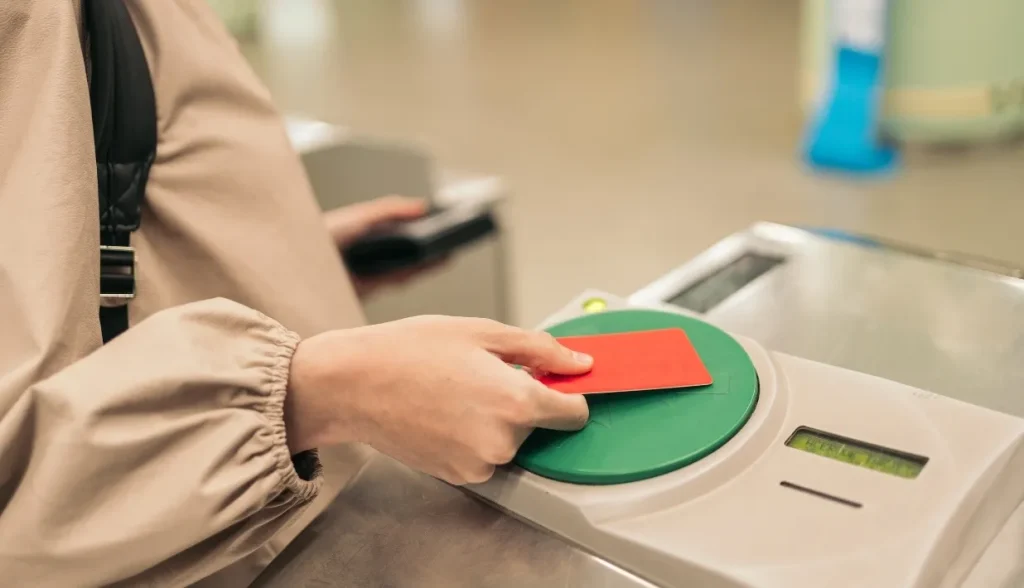
Metro companies and highway operators are leveraging RFID technology to enhance transit efficiency and payment security.
Application Method: RFID cards or key fobs are being used as contactless payment and access credentials. Newer RFID technologies, such as smaller, more secure embedded tags, are being integrated into vehicles and personal devices for automated toll collection and ticketing.
Business Value:
Increased Efficiency: Passengers and vehicles are able to pass through checkpoints quickly. Congestion is reduced, leading to a better experience for commuters.
Enhanced Security: Encryption technology ensures the secure transmission of payment information. Fraud and unauthorized access are minimized, protecting both the operator and the user.
7. Anti-Counterfeiting and Brand Protection for Apparel Brands
High-end apparel brands are facing significant challenges from counterfeit products, which can damage brand equity and revenue.
Application Method: Microscopic, difficult-to-replicate RFID tags are being sewn into or embedded within the garment’s label or internal structure. Consumers and retailers are able to verify the authenticity of the product using a smartphone or a dedicated reader.
Business Value:
Brand Reputation Protection: Assurance is provided that only genuine products are circulating in the market. The integrity of the brand is maintained.
Increased Consumer Trust: Transparent and verifiable information regarding the product’s origin is provided. This builds confidence with the end consumer and differentiates the brand from competitors.
8. Traceability in Agriculture and Food Safety
From the farm to the table, tracking the origin and handling process of food is critical for ensuring public health and safety.
Application Method: Low-Frequency (LF) or High-Frequency (HF) RFID tags are being used in livestock management and agricultural product packaging. These tags are utilized to record the animal’s health status, feed batch numbers, or the harvest date and transportation conditions of produce.
Business Value:
Rapid Recall: In the event of a food safety issue, affected product batches can be quickly and accurately identified. The speed of response is improved, which minimizes public risk and financial loss.
Improved Transparency: Consumers are able to access detailed information about the food’s source. This level of transparency is increasingly demanded by modern consumers.
9. Access Control and Personnel Location in Smart Office Environments
Modern enterprises are seeking more flexible and secure management solutions for their office spaces.
Application Method: Employee access cards are being upgraded to multi-functional RFID cards. These cards are used not only for physical door access but also for print management, meeting room reservations, and internal payments.
Business Value:
Simplified Management: A single card is sufficient for multiple needs. IT and administrative management are simplified, leading to reduced overhead.
Enhanced Security: Real-time access records assist in monitoring and managing the security of the office area. Unauthorized access is deterred, and a safer working environment is maintained.
10. The Rise of Eco-Friendly Materials and Sustainable RFID Tags
With increasing global attention on environmental protection, RFID tags themselves are evolving toward more sustainable options.
Application Method: Factories like RFIDlabel are developing and supplying RFID tags and cards made from biodegradable or recycled materials. These “green” tags maintain performance while reducing their environmental footprint. This innovation is being driven by both consumer demand and regulatory pressure.
Business Value:
Compliance with Regulations: Businesses are assisted in meeting increasingly strict environmental regulations. Proactive compliance is a key business advantage.
Enhanced Corporate Image: A commitment to sustainability is demonstrated to customers and stakeholders. This positive image can be a significant differentiator in competitive markets.
Conclusion
RFID technology is no longer merely an identification tool; it has been proven to be a core driver for achieving digital transformation and operational optimization across all sectors. From the precise inventory control in retail to the efficient asset tracking in healthcare, and the seamless customer experience in hospitality, the potential for RFID application is considered immense.
For business leaders, distributors, or project managers such as yourself, the present time is optimal for evaluating and investing in next-generation RFID solutions. It is understood that your business needs are unique. Whether flexible minimum order quantities are required, or specific products are needed for the North American, European, or Australian markets, RFIDLabel are prepared to serve as your reliable partner.
Recommended Product





