

RFID car rental management is becoming an effective solution for rental companies looking to improve fleet visibility, vehicle security, and operational efficiency.
With the rapid growth of the car rental industry, managing large vehicle fleets has become increasingly challenging. Traditional methods such as manual inspections, paper records, and manual check-in and check-out processes can lead to inefficiencies, inaccurate vehicle information, and increased labor costs.
RFID vehicle labels provide an automated identification solution that helps rental companies manage their fleets more effectively. By attaching RFID labels to vehicles, companies can quickly identify vehicles, monitor fleet status, improve security, and streamline rental operations.
In this article, we will explore how RFID technology supports car rental management, including fleet tracking, asset protection, maintenance optimization, and improved customer experiences.
What Is RFID Technology?
Radio Frequency Identification (RFID) is a technology that uses electromagnetic fields to automatically identify and track tags attached to objects. In the car rental industry, RFID vehicle labels are small tags installed on vehicles to help rental companies manage and monitor their fleets.
RFID technology has various applications, including inventory management, access control, and asset tracking. For car rental businesses, its most valuable applications include improving vehicle identification, optimizing fleet operations, and enhancing customer service.
How RFID Car Rental Management Works
An RFID vehicle label consists of a microchip and an antenna that communicate with RFID readers. When a vehicle equipped with an RFID label enters the reading area, the RFID reader collects vehicle information and transfers the data to a management system.
This automated identification process enables rental companies to improve RFID car rental management by efficiently managing vehicle information and fleet activities.
With RFID-enabled vehicle labels, rental companies can:
- Track Vehicle Information: RFID technology helps companies maintain accurate records of their vehicles and improve fleet visibility. Knowing the status and location information of each vehicle helps reduce the risk of lost or misplaced vehicles.
- Monitor Vehicle Status: RFID labels can be integrated with fleet management systems to support maintenance schedules, vehicle inspections, and operational planning. This ensures vehicles remain ready for customer use.
- Streamline Rental Processes: RFID technology helps automate vehicle check-in and check-out processes, reducing manual operations and improving customer waiting times.

The Benefits of RFID Car Rental Management
Improved Operational Efficiency
RFID car rental management significantly improves operational efficiency by automating vehicle identification and reducing manual work.
With RFID-enabled vehicle labels, rental companies can manage their fleets more accurately and efficiently. Automated processes such as vehicle registration, check-in, and check-out reduce operational costs while improving overall service quality.
Enhanced Asset Security
Security is a major concern for car rental companies. RFID labels improve vehicle security by providing reliable identification and supporting tamper-evident solutions.
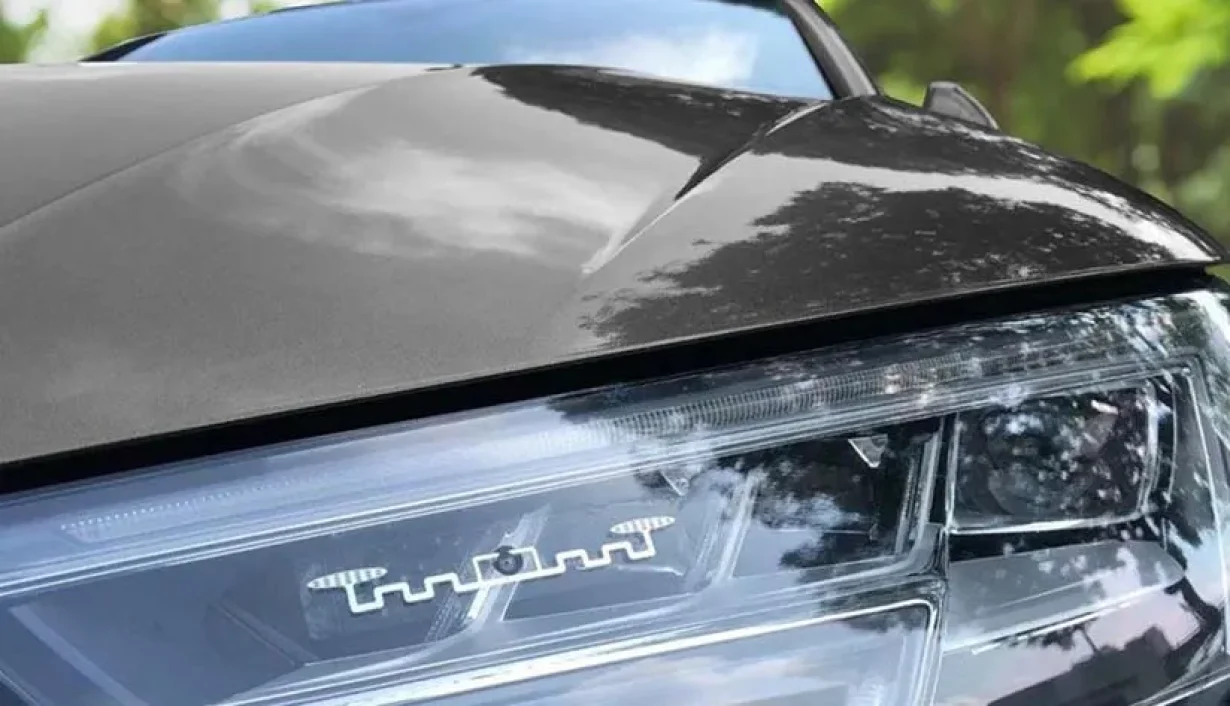
For example, the Tamper-Proof UHF RFID Headlight Label helps ensure that RFID tags remain securely attached to vehicles. If someone attempts to remove or damage the label, visible signs of tampering will appear, helping companies protect valuable fleet assets.
Better Customer Experience
RFID technology allows rental companies to provide faster and more convenient services.
By improving vehicle identification and availability management, RFID systems help reduce waiting times during vehicle pickup and return. Customers can enjoy a smoother rental experience, while companies can better manage vehicle availability in real time.
Reduced Maintenance Costs
RFID technology also helps reduce vehicle maintenance costs by improving fleet monitoring.
With accurate vehicle information, rental companies can schedule inspections and maintenance activities more effectively. Identifying vehicles that require service in advance helps prevent unexpected problems and extends the operational life of rental fleets.

Recommended RFID Vehicle Labels for Car Rental Management
1. UHF RFID Windshield Labels
The UHF RFID Windshield Label provides another efficient solution for vehicle identification and fleet management.
Equipped with the Alien Higgs® 9 chip, this RFID label delivers high reading accuracy and complies with GS1 Class 1 Gen 2 and ISO/IEC 18000-6C standards. The strong 3M467 adhesive ensures reliable attachment to vehicle windshields even under demanding conditions.
Its tamper-evident security cuts make unauthorized removal difficult. Once removed, the label becomes damaged and cannot be reused, helping rental companies protect vehicle identity information and improve fleet security.
2. Tamper-Proof UHF RFID Headlight Labels
The Tamper-Proof UHF RFID Headlight Label is a durable RFID solution designed for secure vehicle identification applications.
Using UHF RFID technology, this label provides long-range reading capability and reliable performance in different environmental conditions. Its transparent tamper-proof design ensures that any attempt to remove the label will leave visible evidence, preventing unauthorized reuse.
The label is especially suitable for car rental fleets that require secure vehicle identification and improved asset protection. It helps fleet managers detect unauthorized movements and maintain accurate vehicle records.

Conclusion
RFID car rental management provides rental companies with a smarter way to improve fleet operations, strengthen vehicle security, and enhance customer experiences.
By using RFID vehicle labels, rental businesses can automate vehicle identification, optimize check-in and check-out processes, improve maintenance management, and reduce operational costs.
Advanced solutions such as the Tamper-Proof UHF RFID Headlight Label and UHF RFID Windshield Label provide reliable options for rental fleets that require secure and efficient vehicle management.
As RFID technology continues to develop, it will play an increasingly important role in creating smarter and more connected car rental operations.
For more RFID vehicle identification solutions and industry insights, welcome to visit rfidlabel.com.
FAQs
1. How does RFID tech boost car rental operations?
RFID tech makes car rental operations better by giving real-time tracking, cutting down on manual work, ramping up asset security, and making the whole rental process smoother.
2. What’s the deal with using UHF RFID tags for vehicles?
UHF RFID tags let you read them from a long distance, which means real-time asset tracking, smart fleet management, and better security, especially when you add in those tamper-proof features.
3. Can you mess with RFID labels?
Nope, RFID labels like the Tamper-Proof UHF RFID Headlight Label and the UHF RFID Windshield Label are made with tamper-evident features, so it’s super clear if anyone tries to mess with them.
4. How do car rental companies score with RFID when it comes to customer experience?
RFID tech speeds up check-in and check-out times, making the rental process quicker and smoother for customers, which ramps up their satisfaction.
5. Are these RFID labels tough enough for bad weather?
Absolutely, both the Tamper-Proof UHF RFID Headlight Label and the UHF RFID Windshield Label are made to handle rough weather, so they keep tracking reliably no matter the conditions.
Recommended Products
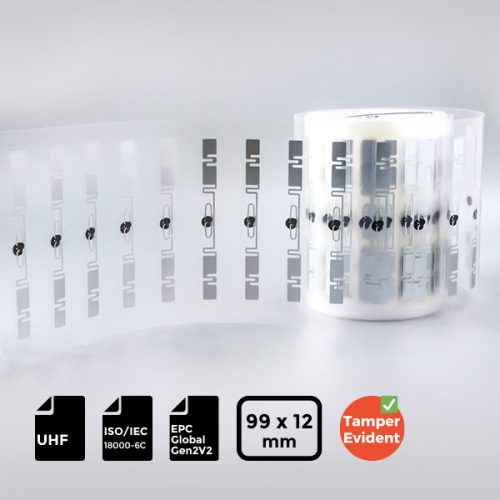
Tamper-Proof UHF RFID Headlight Label 99x12mm | ISO18000-6C

The Tamper-Proof UHF RFID Headlight Label offers secure and reliable identification for various applications. Its unique design resists tampering and unauthorized removal, ensuring data integrity. Using UHF RFID technology, it provides long-range reading capabilities for efficient asset tracking. The tag is highly durable, suitable for harsh environments, and features a secure identifier for each item.



