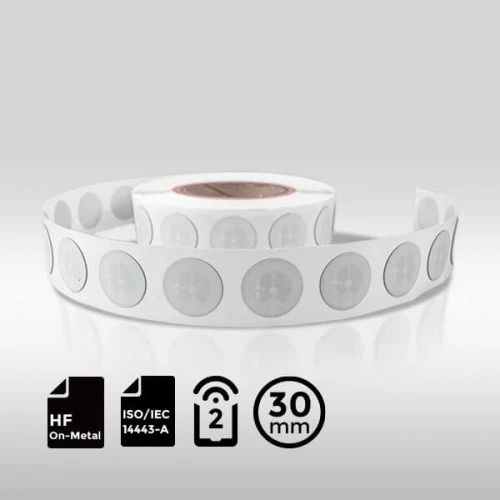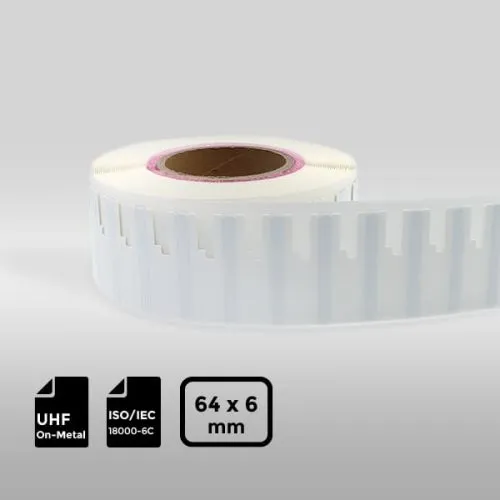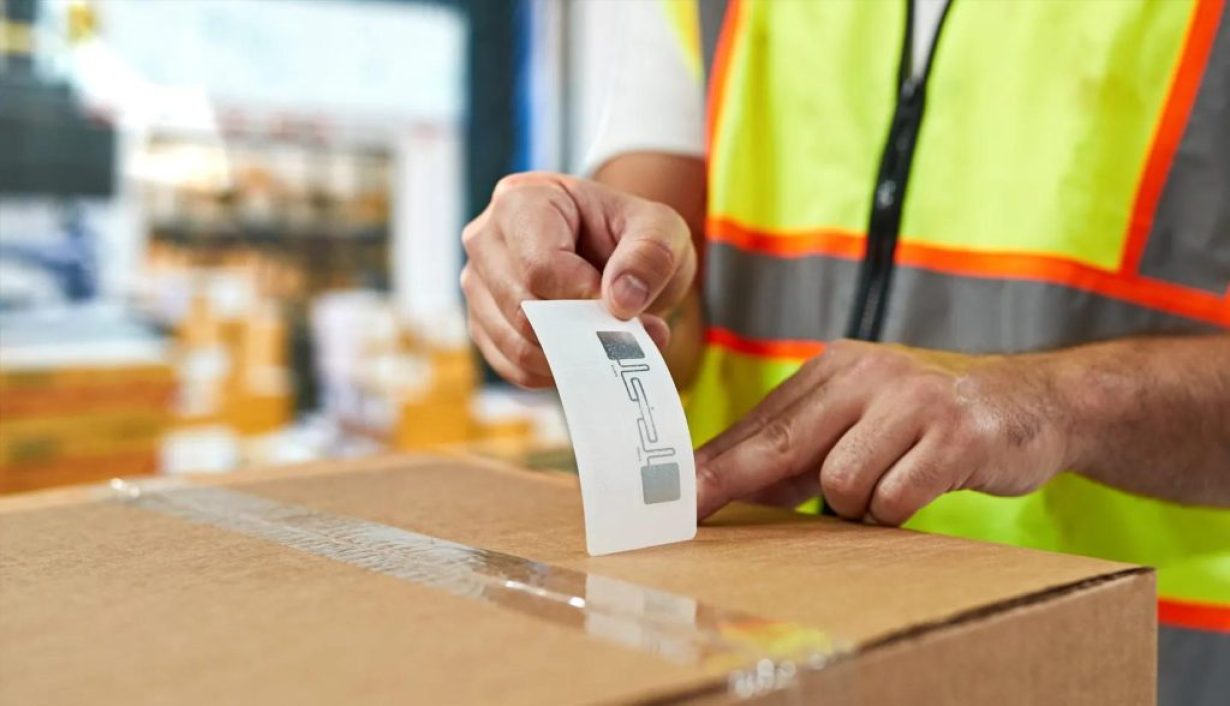

In the world of advanced identification and tracking, the integrity of an RFID system often hinges on a seemingly small component: the chip RFID tag adhesive. This crucial element is far more than just a sticky substance; it is the silent guardian that ensures the longevity and performance of RFID tags, especially when confronted with the most challenging environmental conditions. Without a robust and carefully selected adhesive, even the most sophisticated RFID chips and antennas can fail, leading to costly data loss and operational disruptions. We understand that for procurement managers and businesses relying on RFID technology, the reliability of every component is paramount.
The Unsung Hero: Understanding Chip RFID Tag Adhesive
The adhesive used in RFID tags plays a foundational role in their overall durability. It bonds the delicate RFID chip and antenna to the tag substrate, and subsequently, the entire tag to the asset being tracked. In benign environments, a standard adhesive might suffice. However, when RFID tags are deployed in harsh conditions—such as extreme temperatures, high humidity, chemical exposure, or environments with significant mechanical stress—the adhesive becomes the primary line of defense. Its ability to maintain structural integrity directly impacts the tag’s read range, data retention, and overall operational lifespan. We recognize that selecting the right chip RFID tag adhesive is a strategic decision that underpins the success of your RFID implementation.

Key Properties of High-Performance Chip RFID Tag Adhesives
For RFID tags to withstand demanding environments, their adhesives must possess a specific set of characteristics. These properties are engineered to counteract the forces that typically lead to tag failure.
Adhesion Strength and Durability
High-performance adhesives are characterized by their superior adhesion strength, which prevents delamination and ensures the tag remains securely attached. This includes:
- Shear Strength: Resistance to forces parallel to the adhesive bond, crucial for preventing the tag from sliding off.
- Peel Strength: Resistance to forces perpendicular to the adhesive bond, preventing edges from lifting.
- Cohesion: The internal strength of the adhesive itself, ensuring it doesn’t break apart under stress.
Environmental Resistance
The ability of the chip RFID tag adhesive to resist environmental degradation is critical for applications outside of controlled settings. Key resistance factors include:
- Temperature Extremes: Maintaining bond integrity across wide temperature fluctuations, from freezing cold to scorching heat.
- Moisture and Chemical Exposure: Preventing water ingress and resisting corrosive chemicals that can degrade the adhesive bond.
- UV Radiation: Protecting against prolonged exposure to sunlight, which can cause many adhesives to become brittle or lose tack.
- Mechanical Stress: Withstanding vibrations, impacts, and abrasion common in industrial or logistics environments.

Material Compatibility
An effective adhesive must form a strong, lasting bond with both the RFID tag components (chip, antenna, substrate) and the diverse surfaces it will be applied to. This includes metals, plastics, glass, and even irregular surfaces. The adhesive formulation must be carefully chosen to ensure optimal compatibility, preventing chemical reactions that could compromise the bond or the RFID components themselves.
Innovative Adhesive Solutions for Demanding Applications
Advancements in adhesive technology have led to specialized solutions tailored for specific harsh environments, ensuring that RFID tracking remains reliable across various industries.
Specialized Formulations for Industrial Use
Consider the rigorous demands of asset tracking in manufacturing plants or logistics hubs. RFID tags here are often exposed to oils, solvents, high temperatures, and constant movement. Specialized acrylic or epoxy-based adhesives, often reinforced with specific polymers, are engineered to provide superior resistance in these conditions. For instance, in automotive manufacturing, RFID tags on parts must endure paint ovens and chemical washes, necessitating adhesives that can withstand extreme thermal cycling and chemical immersion without losing adhesion.
| Environment Type | Typical Challenges | Recommended Adhesive Characteristics |
| Industrial | Oils, solvents, abrasion, vibration | High chemical resistance, strong shear strength, impact resistance |
| Outdoor | UV, moisture, temperature swings | UV stability, waterproof, wide temperature range performance |
| Medical | Sterilization cycles, biological fluids | Biocompatibility, high temperature resistance, chemical inertness |
Ensuring Long-Term Performance and Data Integrity
The right chip RFID tag adhesive is not just about initial adhesion; it’s about guaranteeing the long-term performance and data integrity of the entire RFID system. A tag that detaches or fails due to adhesive degradation renders the tracking system ineffective. By investing in tags with high-quality, application-specific adhesives, businesses can ensure consistent data capture, reduce replacement costs, and maintain uninterrupted operational efficiency. This proactive approach safeguards against potential disruptions and maximizes the return on investment in RFID technology.

Selecting the Right Chip RFID Tag Adhesive: A Practical Guide
For procurement managers, choosing the appropriate RFID tags involves a deep understanding of the adhesive’s role. We recommend focusing on suppliers who can demonstrate expertise in adhesive technology, offer products with verifiable certifications for environmental resistance, and provide detailed specifications on adhesion properties. Consider the specific conditions your RFID tags will face and inquire about case studies or test data that validate the adhesive’s performance in similar scenarios. This due diligence ensures you source products that meet your quality standards and operational needs.
Conclusion: The Foundation of Reliable RFID Tracking
The humble chip RFID tag adhesive is undeniably a critical component, acting as the bedrock for reliable RFID tracking in even the most challenging environments. Its specialized properties ensure that RFID tags remain functional, secure, and accurate, providing invaluable data for asset management, supply chain optimization, and process automation. We at RFIDLabel are committed to providing high-quality RFID solutions, understanding that the adhesive is integral to the overall performance of our products.Welcome to learn more about our RFID labels and custom solutions (rfidlabel.com). We offer a wide range of product types, featuring superior adhesive designs to meet application needs across various scenarios.

FAQs
1. How does temperature affect the performance of chip RFID tag adhesives?
Extreme temperatures, both high and low, can significantly impact adhesive performance. High temperatures can soften adhesives, reducing their bond strength and potentially causing tags to delaminate. Low temperatures can make adhesives brittle, leading to cracking or loss of adhesion. High-performance adhesives are formulated to maintain their integrity and flexibility across a wide operating temperature range, ensuring reliable tag function in diverse climates and industrial processes.
2. Are there eco-friendly options for chip RFID tag adhesives?
Yes, as sustainability becomes a growing concern, manufacturers are developing more eco-friendly options for RFID tag adhesives. These can include water-based adhesives, solvent-free formulations, or adhesives made from renewable resources. While maintaining performance, these options help reduce environmental impact and align with corporate sustainability goals. When sourcing, inquire about suppliers’ commitments to eco-friendly materials and certifications.