RFID Chips by Industry are fundamentally reshaping how businesses operate, offering unparalleled capabilities for identification, tracking, and seamless data exchange across a multitude of sectors.
In today’s competitive landscape, where efficiency, robust security, and uninterrupted connectivity are paramount, Radio-Frequency Identification (RFID) and Near Field Communication (NFC) technologies emerge as critical enablers for digital transformation. This comprehensive article is tailored for industry professionals, delving into the diverse applications of these advanced solutions and the specific chip preferences that drive innovation within various industries.
The Core Technologies: RFID and NFC Explained for Industry Professionals
Both RFID and NFC leverage radio waves for wireless communication, facilitating data transfer without physical contact. However, their operational characteristics and optimal applications differ:
- RFID (Radio-Frequency Identification): This overarching technology encompasses various frequency bands (Low Frequency – LF, High Frequency – HF, Ultra-High Frequency – UHF) and read ranges. Use it for long-range tracking and inventory management. It can typically read multiple tags simultaneously, making it ideal for large-scale asset visibility.
- NFC (Near Field Communication): A specialized subset of HF RFID, NFC is engineered for secure, short-range communication, typically limited to 10 centimeters. Its design makes it perfect for peer-to-peer interactions, secure payment systems, and access control applications where close proximity and data integrity are crucial.
The strategic choice between RFID and NFC, or specific chip types, is closely tied to the unique needs of each industry. These needs include the required read range, data capacity, environmental resilience, and strict security protocols.

Driving Innovation: Key Industries and Their Preferred RFID Chips by Industry
Understanding the specific preferences for RFID Chips by Industry is vital for maximizing operational efficiencies and achieving strategic objectives. From the intricacies of retail supply chains to the critical demands of healthcare, these technologies are meticulously adapted to address distinct challenges and unlock new opportunities.
1. Retail & Supply Chain: Revolutionizing Inventory and Customer Engagement
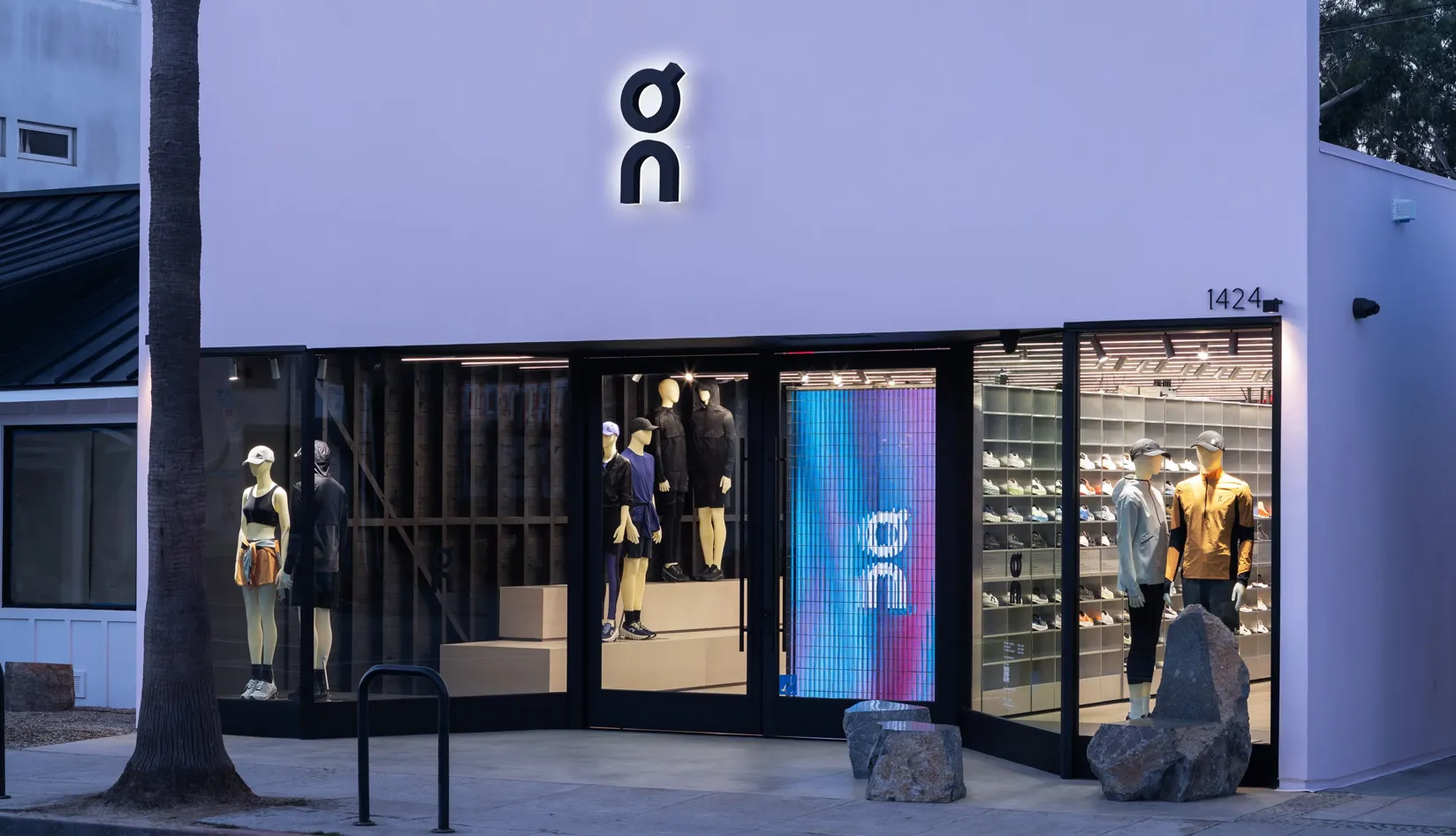
The retail and supply chain sectors are pioneering the adoption of RFID, harnessing its power for comprehensive inventory management, robust anti-counterfeiting measures, and enriching customer experiences. The ability to precisely track items from manufacturing through to the point of sale offers unprecedented visibility, significantly reducing stockouts and optimizing logistics.
Key Applications
Real-time inventory management, automated checkout processes, sophisticated anti-counterfeiting and product traceability systems, and interactive smart fitting rooms.
Preferred Technologies & Chips
- UHF RFID (Ultra-High Frequency): Favored for its extensive read range and capability to simultaneously read multiple tags, which is indispensable for efficient inventory counts and streamlined logistics. Leading chip models include Impinj Monza R6, Alien Higgs 9, and NXP UCODE 8, all compliant with the Gen2v3 standards.
- NFC: Increasingly integrated for direct customer interaction, offering instant access to product information, loyalty program engagement, and personalized experiences. Popular choices are NXP NTAG 213/215/216 and ICODE SLIX2. The industry trend is moving towards dual-technology tags that seamlessly combine UHF RFID for back-end inventory management with NFC for front-end customer engagement.
Caes
Zara uses RFID technology to track each item in real-time, enabling precise inventory management and supply chain visibility. This technology allows Zara to quickly respond to market demand, optimizing production and distribution processes. For example, in four of Zara’s stores in Spain, they implemented “mobile payment” technology, where customers can use RFID to pay for items anywhere in the store without needing to queue at the checkout.

2. Logistics & Warehousing: Achieving Precision in Tracking and Automation
In the dynamic environment of logistics and warehousing, RFID dramatically enhances the accuracy and speed of operations. It automates processes that were traditionally labor-intensive and prone to human error, ensuring real-time tracking of goods for efficient movement and optimal storage.
Key Applications
Real-time parcel tracking, automated inbound and outbound processing, and precise inventory auditing.
Preferred Technologies & Chips
UHF RFID: Indispensable for long-distance and high-density reading capabilities required in expansive warehouse settings. Impinj Monza R6, NXP UCODE 8, and Alien Higgs 9 are highly regarded for their superior performance in these demanding applications.
Caes

3. Manufacturing: Optimizing Production and Asset Management
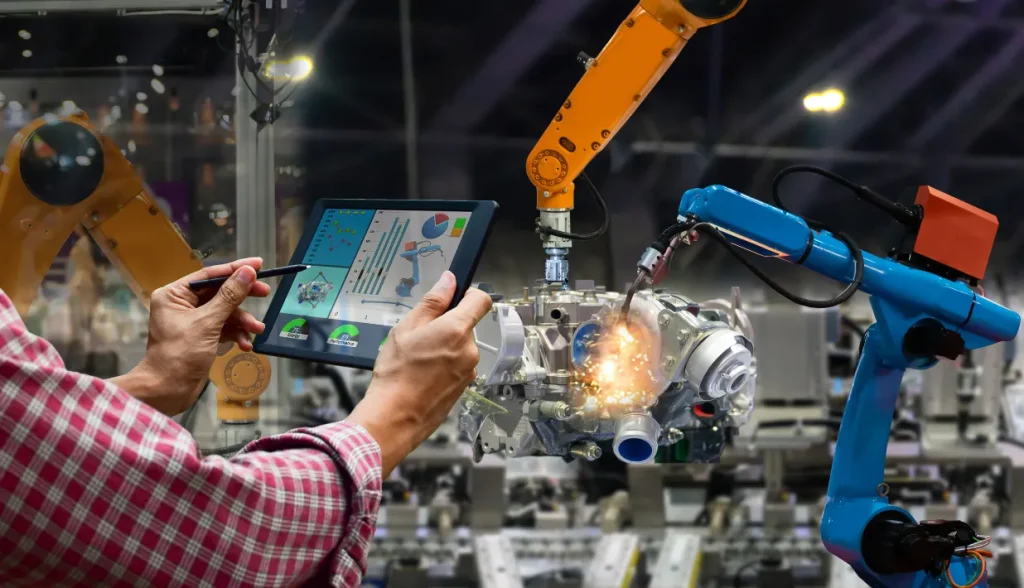
Manufacturing operations significantly benefit from the integration of RFID and NFC, which optimize production lines, facilitate meticulous tool and asset management, and ensure comprehensive component traceability. This leads to substantial reductions in downtime and marked improvements in quality control.
Key Applications
Production line material tracking, sophisticated tool and asset management, and detailed component traceability.
Preferred Technologies & Chips
UHF/HF RFID: Widely deployed for tracking parts and high-value assets. Anti-metal tags are essential for reliable performance in environments rich in metallic surfaces. Impinj Monza R6 and NXP UCODE 8 are common for UHF applications, while NXP NTAG 213/215/216 is frequently chosen for NFC applications on equipment, particularly for maintenance record management.
Case
4. Healthcare: Elevating Patient Safety and Asset Control
The healthcare sector leverages RFID and NFC for mission-critical applications, including secure patient identification, precise tracking of high-value consumables, and efficient management of medical equipment. These applications are pivotal in ensuring patient safety, regulatory compliance, and operational integrity.
Key Applications
Accurate patient identification, secure drug tracking, efficient medical equipment management, and meticulous high-value consumable tracking.
Preferred Technologies & Chips
HF RFID/NFC: Preferred for secure, short-range interactions and environments demanding rigorous sterilization protocols. Chips engineered for biodegradable substrates or flexible tags are often utilized. NXP NTAG 213/215/216 and ICODE SLIX2 are frequently employed due to their robust security features.
Case
Kaiser Permanente implemented RFID technology at its San Jose medical center for patient identification, medication tracking, and medical equipment management. For example, the TrackCore system automatically tracks surgical implant devices with RFID technology to ensure compliance with FDA and Joint Commission standards.

5. Transportation & Public Utilities: Building Smart Infrastructure and Secure Transactions
RFID and NFC are foundational to modern transportation and public utility systems. They enable advanced electronic toll collection, seamless public transport ticketing, and intelligent smart metering. This significantly enhances convenience and operational efficiency across urban and regional infrastructures.
Key Applications
Electronic Toll Collection (ETC), streamlined public transport ticketing, and advanced smart meters.
Preferred Technologies & Chips
UHF/HF RFID & NFC: Specific models are selected based on regional standards and application requirements. NXP MIFARE Classic, MIFARE DESFire EV2, and NTAG 213/215/216 are widely adopted for their ability to support secure and rapid payment systems.
Case
The London Transport Authority (TfL) adopted the Oyster card and NFC technology for a contactless public transport payment system. Passengers can use Oyster cards or NFC-enabled devices (like smartphones) for quick payments on the Tube, buses, and light rail, enhancing travel efficiency.

6. Cultural Institutions & Exhibitions: Preserving Heritage and Engaging Visitors
Museums and exhibition spaces are increasingly adopting RFID and NFC technologies. These technologies help safeguard valuable exhibits, monitor environmental conditions, and create immersive, interactive experiences for visitors.
Key Applications
Enhanced exhibit protection, precise environmental monitoring, and dynamic visitor interaction platforms.
Preferred Technologies & Chips
RFID/NFC: The selection of specific models is highly dependent on the application context, with a focus on discreet integration and unwavering performance.
Case
The Louvre Museum once used custom Nintendo 3DS devices as interactive guides, combined with RFID technology to provide personalized visitor experiences. The system saw a 37% increase in the rental of guide devices within the first eight months after launch.

7. Agriculture: Advanced Animal Tracking and Management
In the agricultural sector, particularly within livestock management, LF RFID plays a crucial role in animal tracking and identification. This contributes to improved animal welfare, optimized farm management, and enhanced supply chain transparency for agricultural products.
Key Applications
Comprehensive animal tracking and management, exemplified by livestock ear tags.
Preferred Technologies & Chips
LF RFID (Low Frequency): Chosen for its exceptional reliability in challenging biological environments. Specific models are selected based on the particular application scenario and environmental conditions.
Case
The Warrnambool Livestock Exchange in Australia is the first livestock market to implement an RFID system to help livestock producers comply with Australia’s National Livestock Identification System (NLIS). The system uses electronic ear tags to track livestock in real-time, improving supply chain transparency.

Strategic Selection: Guiding Your Project’s Chip Choice for Optimal RFID Chips by Industry Application
Choosing the most suitable RFID or NFC technology demands a meticulous evaluation of several critical factors:
- Communication Distance & Batch Processing: For scenarios requiring long-range, multi-tag reading—such as inventorying an entire warehouse or a loaded shelf of products—UHF RFID is the unequivocal choice. Conversely, for secure, one-to-one near-field interactions like payment processing or authentication, NFC offers superior suitability.
- Environmental Adaptability: A crucial consideration involves the operational environment. Does the tag require attachment to metallic surfaces, necessitating specialized anti-metal tags? Must it withstand extreme temperatures, high humidity, or frequent sterilization? The tag’s encapsulation material and manufacturing process are paramount, with innovative options including biodegradable substrates or flexible circuit printing for demanding conditions.
- Standards & Certifications: Adherence to industry standards and certifications is non-negotiable. For example, NFC Forum certified tags guarantee seamless interoperability with the vast majority of modern smartphones, a critical factor in consumer-facing applications.
- Data Security & Cost-Effectiveness: For high-security applications such as financial transactions or access control, selecting chips that support advanced encryption algorithms is essential.
Simultaneously, it is imperative to balance performance requirements with cost-effectiveness; UHF RFID, for instance, often presents a more economically viable solution for large-scale deployments.

Conclusion: Empowering Your Business with Intelligent Identification Solutions
The landscape of RFID Chips by Industry is continually evolving, presenting powerful and adaptable solutions to intricate operational challenges. By thoroughly understanding the distinct characteristics of RFID and NFC technologies and their specialized applications, businesses are empowered to make informed strategic decisions.
These decisions will not only drive operational efficiency and bolster security but also cultivate superior customer experiences. We invite you to explore our comprehensive portfolio of related products and delve deeper into how these transformative technologies can redefine your operations. Visit rfidlabel.com for more detailed information and to discover the ideal intelligent identification solution tailored to your specific needs.
Recommended Product
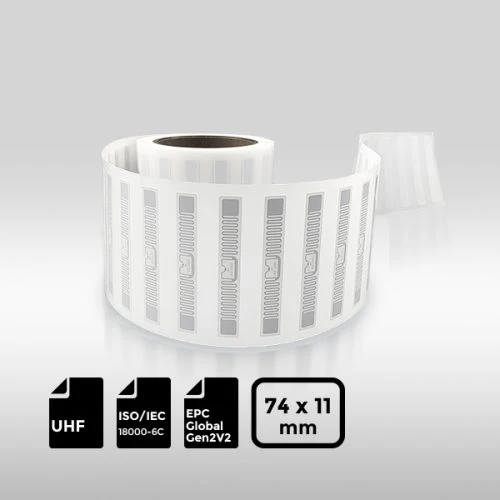
ARC Certified Impinj® Monza® R6-P Coated Paper RFID Label U6C

The ARC-certified Impinj® Monza® R6-P RFID label offers high-performance tracking with extended read range and improved memory. Fully compliant with ISO/IEC 18000-6C and EPCglobal Gen2v2 standards, it ensures product authenticity, brand protection, and reliable data transfer. Widely used in retail chains like Walmart and Dillard’s, this label supports efficient inventory management, supply chain visibility, and smooth in-store operations.

ARC Certified Impinj® M730 Coated paper RFID Label 73x17mm
The ARC-certified RFID tag for Walmart is designed to deliver reliable performance and full compliance with industry standards such as ISO/IEC 18000-6C and EPCglobal Gen2v2. Engineered for large-scale retail and supply chain operations, it offers excellent reading accuracy, stable transmission, and high compatibility with existing RFID infrastructures. This label is ideal for item-level tagging in major retail chains like Walmart and Dillard’s, supporting efficient inventory management, supply chain transparency, and brand protection. By meeting ARC certification requirements, it helps retailers and brand owners achieve seamless integration and operational consistency across global retail networks.
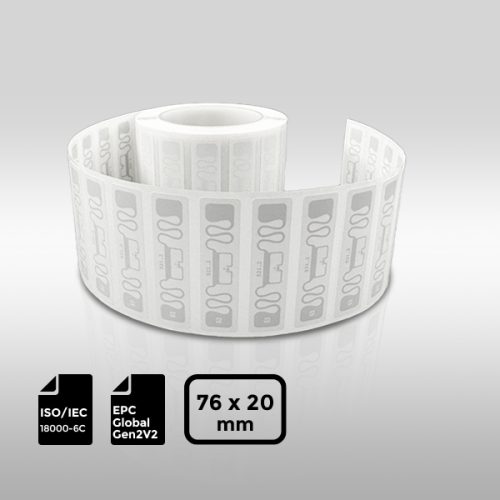
Avery Dennison® ARC Certified Belt NXP UCODE® 9 Coated Paper RFID Label AD-Belt-U9
Retailers can use this ARC-certified RFID label to record apparel merchandise information and prevent brand counterfeiting efficiently. The embedded RFID chip transmits data to back-end systems for analysis and storage. Compliant with EPCglobal Gen2v2 and ISO/IEC 18000-6C, it is designed for apparel, retail, and industrial applications such as supply chain management, home goods tracking, and brand protection, supporting smooth operations in large retail channels like Dillard’s.