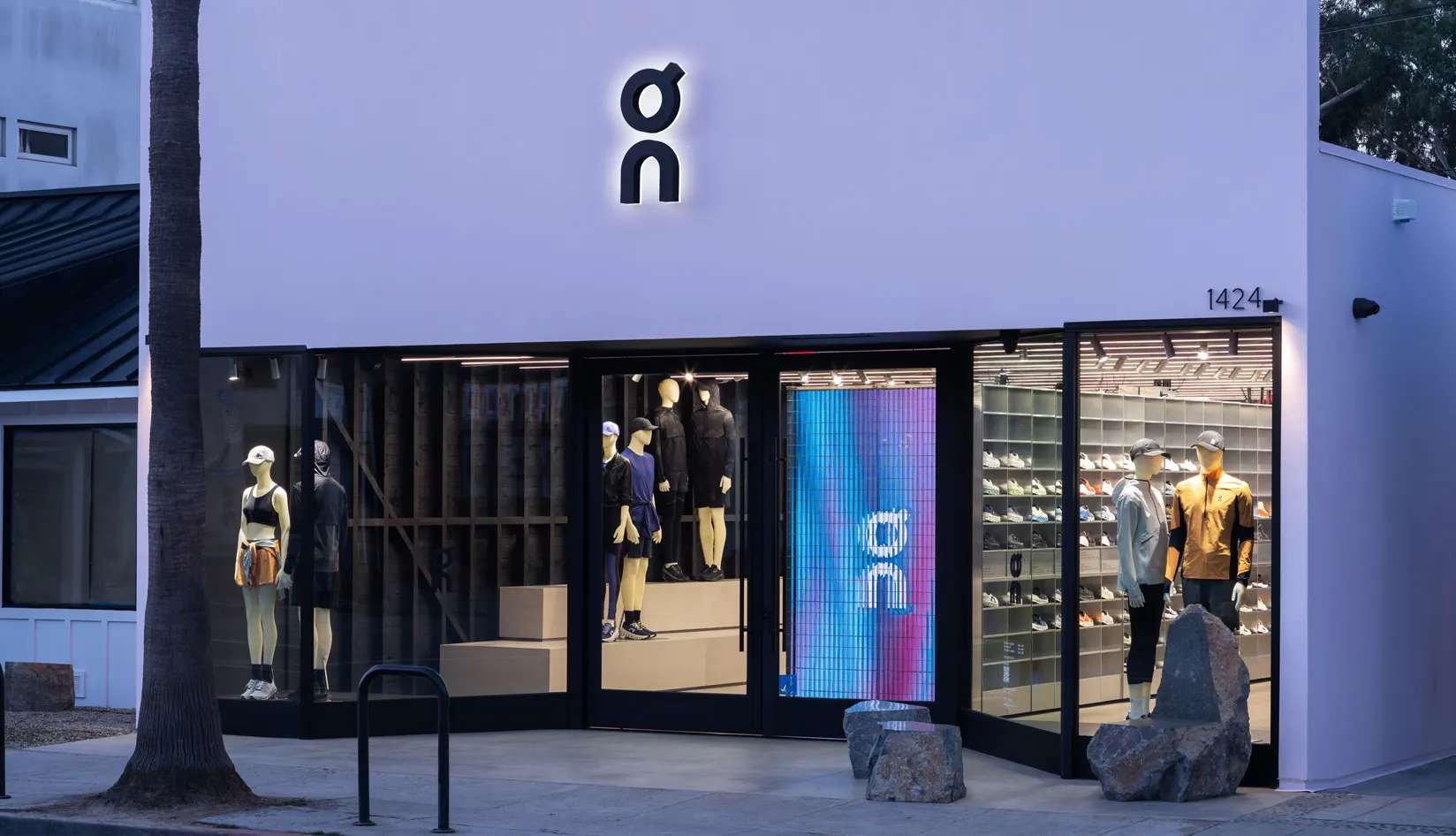
In the fashion industry, fast and accurate inventory management and brand anti-counterfeiting are the keys to corporate success. With the development of technology, RFID (Radio Frequency Identification) technology is being widely used in the fashion industry. From inventory tracking to supply chain optimization to brand protection, the advantages of RFID are gradually emerging. This article will delve into the application of RFID in the fashion industry and use analytical methods to help companies understand how to use RFID technology to improve efficiency and market competitiveness.
The evolution of RFID in the fashion industry

- Technical improvements and cost reductions (early 2000 to 2010)
Entering the 21st century, with the advancement of technology and the decline of production costs, the application of RFID has gradually expanded. At this stage, some large retailers and fashion brands (such as Zara, UNIQLO, etc.) began experimenting with RFID technology to optimize inventory management and store operations. Through RFID technology, fashion companies can monitor the quantity and location of goods in real-time, reducing inventory differences and improving the transparency of the supply chain.
- Preliminary application expansion (2010 – 2015)
Around 2010, more and more fashion brands and retailers began implementing RFID projects. Retail giants represented by Zara and Macy’s have invested a lot of resources in RFID applications at this stage, and have gradually achieved RFID coverage in stores around the world. Zara also uses RFID to speed up the shelving and replenishment process, allowing items to reach customers faster.
- Large-scale popularization and multi-scenario applications (2015 – 2020)
As RFID technology further matures and costs continue to decrease, the scale of RFID application in the fashion industry is rapidly expanding. More and more fashion brands are beginning to realize the huge potential of RFID in improving operational efficiency, improving customer experience and enhancing brand anti-counterfeiting. During this period, brands such as UNIQLO and Nordstrom further promoted the popularity of RFID in stores around the world. It has developed smart devices that combine with RFID technology to help enhance customer shopping experience and brand value.
Core principles of RFID technology

The core principle of RFID technology is the transmission of information via radio waves, which is divided into three main parts:
- RFID Label
RFID labels contain a chip and an antenna, with product information stored within the chip, while the antenna is responsible for communicating with the reader. The type of label varies depending on the application scenario and includes passive, semi-active and active labels.
- RFID Reader
The reader sends signals to an RFID label via radio waves to activate the label chip and read its data. Readers can have ranges from a few centimeters to tens of meters and are typically used in warehouses and retail stores for long-range readers and in fitting rooms and checkout counters for short-range readers.
- Data systems
RFID data systems can record and manage all the information read. By integrating with software such as ERP (Enterprise Resource Planning) and WMS (Warehouse Management System), companies can achieve real-time inventory updates and tracking, ensuring supply chain transparency.
Key Applications of RFID in the Fashion Industry

1. Inventory Management
One of the most notable applications of RFID technology in the fashion industry is inventory management. Compared to traditional barcodes, RFID labels can identify multiple items in a much shorter period, greatly improving the efficiency and accuracy of inventory counts.
- Real-Time Inventory Tracking: With RFID labels, brands and retailers can view the inventory of their merchandise at any time, ensuring that accurate inventory data is available for every item in the sales channel. This real-time tracking can help minimize losses due to out-of-stock or backlogged inventory.
- Fast Inventory: RFID labels are able to identify multiple items at once, reducing inventory counting time by more than 80%. Store associates using RFID scanning devices can easily and quickly complete store-wide inventory tasks.
- Reduced inventory discrepancies: RFID can accurately track each item, reducing errors associated with traditional inventory management methods.
2. Supply Chain Management
In supply chain management, RFID can monitor and track goods in all aspects of the supply chain, helping to optimize logistics and transportation efficiency.
- Supply chain transparency: RFID labels record complete information about goods from production to sales, helping companies understand the flow of goods and ensure transparency and traceability in the supply chain.
- Optimize transportation processes: In logistics centers, RFID technology can quickly identify goods through automatic scanning equipment, reducing manual scanning time. Goods can automatically update their status at each transportation node, improving logistics efficiency.
- Reduce the risk of delays: Tracking the location of goods in real-time can help companies identify and resolve bottlenecks in the supply chain and reduce losses caused by logistics delays.
3. Anti-theft and anti-counterfeiting
RFID technology for anti-theft and anti-counterfeiting is particularly important for the fashion industry, especially for high-end brands and luxury goods.
- In-store anti-theft systems: Many retailers have installed RFID detection devices at store entrances, which will automatically trigger an alarm once merchandise leaves a designated area. This real-time anti-theft monitoring helps reduce merchandise theft.
- Brand anti-counterfeiting: By implanting RFID labels on luxury and branded goods, consumers can scan the code to learn more about the product and confirm its authenticity. This is very effective in combating counterfeiting and helps protect brand image.
4. Enhance customer experience
RFID technology can also improve customers’ shopping experience in physical stores, enhancing the interaction between brands and customers.
- Smart fitting rooms: Some fashion stores use RFID technology in fitting rooms. When customers try on a certain piece of clothing, the system will automatically identify the product and display related information, such as whether it is available in different colors and sizes. This smart fitting room enhances customers ‘shopping experience.
- Quick checkout: RFID labels can be quickly identified, so there is no need to scan the code one by one at the checkout, and all items can be automatically identified. Customers can enjoy a faster and more seamless shopping experience.
- Personalized recommendations: Based on consumption data collected by RFID, brands can more accurately understand customers’ purchasing preferences and provide more targeted product recommendations and promotions.
5. Omni-Channel Inventory Synchronization
With the rise of omni-channel retailing, RFID technology helps fashion brands better manage the synchronization of online and offline inventory data.
- Offline pickup of online orders: RFID real-time inventory management ensures the accuracy of online inventory information, enabling customers to pick up their orders at the nearest store after placing them online. This approach improves inventory turnover and customer convenience.
- Dynamic Inventory Distribution: With real-time inventory data from RFID, brands can adjust the inventory distribution of goods according to sales trends, replenish goods in stores with inventory shortages promptly, and reduce out-of-stock situations.
6. Data analysis and market forecasting
RFID data provides fashion brands with accurate sales and customer behaviour data, which helps make more scientific market decisions.
- Commodity sales data analysis: RFID labels record the circulation information and sales data of products, helping companies analyze which products are the most popular and which stores have the best sales. Brands can optimize product layout and inventory configuration based on this.
- Customer behaviour analysis: Through RFID technology, brands can collect customers’ shopping paths and product browsing habits to understand customers’ shopping behaviors and preferences. This kind of data analysis is of great significance for brands to formulate marketing strategies and personalized promotions.
- Accurately forecast demand: Sales forecasts based on RFID data can help brands more accurately predict future market demand, formulate production and sales plans in advance, and avoid product overlogs and insufficient inventory.
7. Sustainable development and environmental protection
RFID technology also plays an important role in promoting the sustainable development of the fashion industry. Through RFID labels, brands can better manage their supply chains, reduce waste, and achieve greener inventory management.
- Recycling: The reusable nature of RFID labels allows brands to reduce label waste to a certain extent and is also more environmentally friendly.
- Optimize resource use: Through real-time inventory management, brands can better grasp demand and avoid overproduction and waste of resources.
- Supply chain transparency: RFID labels can record the source information of goods, and consumers can trace the source of raw materials for products, which has a positive effect on supporting environmental protection concepts and brand image.
8. Realize intelligent store management
The popularity of RFID technology provides the basis for intelligent store management, and many brands have improved the operational efficiency of their stores through RFID technology.
- Automated merchandise shelves: RFID technology can monitor the shelves of goods, automatically identify which shelves need to be replenished, reduce manual intervention, and improve the efficiency of merchandise shelves.
- Real-time store management: RFID labels help stores keep track of sales data, inventory status and other key indicators in real-time, allowing store managers and employees to more efficiently manage the daily operations of the store.
Main Benefits of RFID in the Fashion Industry

1. Improve inventory management efficiency
One of the biggest advantages of RFID technology is that it greatly improves the efficiency and accuracy of inventory management, making inventory control more accurate.
- Real-time inventory monitoring: RFID labels support real-time updates of inventory status, allowing brands and retailers to monitor inventory quantities at any time to avoid shortages or overstocked goods.
- Rapid inventory counting: Compared with traditional barcodes, RFID labels can identify multiple items at the same time, achieving rapid inventory, saving labour costs, and improving inventory counting efficiency by approximately 80%-90%.
- Reduce inventory differences: RFID technology reduces human error in the inventory management process, accurately tracks the flow of goods, and significantly reduces inventory differences.
2. Supply Chain Visualization and Transparency
RFID technology makes all aspects of the supply chain more transparent, providing fashion brands with complete supply chain visualization.
- Commodity traceability: From production, and warehousing transportation, RFID labels record information about the entire process of commodities, and brands can clearly understand the flow path of each item.
- Quickly locate merchandise: Brands can quickly identify specific merchandise in inventory, optimize logistics and warehouse management, and reduce wasted time due to failure to find merchandise.
- Improve supply chain responsiveness: RFID labels update inventory and location information in real-time, so when demand fluctuates, the supply chain can quickly make adjustments to meet market demand.
3. Reducing Product Theft and Anti-counterfeiting
RFID has significant advantages in anti-theft and anti-counterfeiting, especially for high-value goods and brand protection.
- Product Theft Prevention: Installing RFID detection equipment at store exits can prevent theft. If merchandise leaves the store without being checked out, the RFID system will automatically trigger an alarm.
- Brand anti-counterfeiting: High-end fashion brands can embed uniquely coded RFID labels in their merchandise. Consumers can verify the authenticity of the merchandise by scanning the labels, reducing the circulation of counterfeit and substandard products.
- Reinforce brand image: RFID anti-counterfeiting function helps protect brand image, allowing consumers to buy with confidence and increasing brand credibility and loyalty.
4. Enhancing the Customer Experience
RFID can not only help brands and retailers improve efficiency but also improve the shopping experience of customers in physical stores.
- Intelligent fitting rooms: Some fashion stores have fitting rooms equipped with RFID technology, and when customers try on clothes, the labels will be recognized, and the screen will display information about the product, so customers can learn more about the product details and recommended combinations.
- Convenient checkout: RFID labels support batch scanning function, which makes the product checkout faster. Customers do not need to scan the products one by one and can enjoy a smooth shopping checkout experience.
- Personalized recommendations: With the shopping data collected by RFID labels, retailers can analyze customers’ shopping preferences and provide them with personalized recommendations and promotional information.
5. Omni-channel inventory synchronization
RFID allows brands to synchronize the management of online and offline inventory, helping the omni-channel sales model.
- Integration of online and offline inventory: RFID labels help retailers and brands achieve real-time synchronization of online and store inventory, avoiding the situation of online availability and offline shortage.
- Enhance store pickup experience: Customers can purchase online and then pick up at the nearest store, RFID real-time inventory system ensures a smooth and error-free pickup experience.
- Dynamic inventory deployment: Through RFID data analysis, brands can optimize the regional distribution of inventory based on sales and demand trends, reducing out-of-stock situations during peak seasons or hot selling periods.
6. Data-driven market insights
RFID labels can collect a large amount of product data and sales data to support the brand’s marketing strategy.
- Sales trend analysis: RFID records sales and inventory data of products, and brands can analyze hot-selling and slow-moving products so that decisions and adjustments can be made in a timely manner.
- Customer behavioral insight: RFID labels can track customers’ shopping paths and purchasing habits, help brands understand customer preferences, and provide data support for marketing strategies.
- Accurately predict market demand: Through RFID data, brands can more accurately predict market demand, ensure rationalization of inventory supply, and reduce warehousing and production costs.
7. Supporting sustainability goals
RFID technology supports the fashion industry’s environmental and sustainability goals, enabling brands to be more environmentally friendly in resource management and product traceability.
- Reduced waste of resources: RFID technology reduces unnecessary inventory buildup and waste through real-time inventory management, ensuring that merchandise is delivered to the right place at the right time.
- Eco-friendly tags: Many brands are starting to use reusable RFID labels, reducing the number of labels used and the impact on the environment, in line with modern consumer demand for eco-friendly products.
- Supply Chain Transparency: RFID technology helps brands trace raw materials and production processes to ensure that products meet sustainable standards and demonstrate to consumers the brand’s commitment to environmental protection.
8. Improving Operational Efficiency
RFID technology greatly optimizes the operational processes in the fashion industry, helping brands improve the efficiency of their daily operations.
- Simplify merchandise shelving: RFID labels enable automatic merchandise identification on the shelves, saving labour time and reducing errors during the shelving process.
- Improve store management efficiency: RFID can help store associates quickly find merchandise and inventory information without having to manually scan or look for it, improving the efficiency of daily store operations.
- Less reliance on manual labor: The automated nature of RFID reduces reliance on manual operations, allowing brands to maintain high operational efficiency even in more labor-intensive tasks.
9. Promote the expansion of globalization
For fashion brands that need global expansion, RFID technology helps manage and coordinate inventory and supply chains across regions.
- Cross-regional inventory management: RFID helps brands maintain real-time inventory synchronization between warehousing and logistics centers in multiple regions, ensuring smooth global supply chains.
- Reduce cross-border logistics costs: By tracking the location of goods in real-time, brands can reduce delays and losses of goods in cross-border logistics and save transportation costs.
- Meet regional compliance requirements: RFID labels can support label and frequency band standards from different countries, and brands can easily meet local compliance requirements when expanding internationally.
Return On Investment (ROI) Analysis of RFID in the Fashion Industry
A return on investment (ROI) analysis of RFID adoption in the fashion industry is an important means of assessing the value of the technology. By analyzing the impact of RFID on inventory management, supply chain efficiency, sales performance and customer satisfaction, brands can determine if the benefits of the technology outweigh the initial investment. Below is an RFID ROI analysis from multiple perspectives, including a list and comparison table to help provide a clearer understanding of ROI.
1. Initial Investment Costs
The initial investment that needs to be considered for the implementation of RFID technology includes the cost of hardware, software, installation and training. Return on investment analyses in the fashion industry usually consider these cost factors first.
| Investment projects | Description | Estimated cost range(USD) |
| RFID label | Labels required for each item, price per label varies with lot size | Each 0.1 – 0.5 |
| RFID reader | Installed in stores, warehouses, fitting rooms, etc. to ensure product identification | 500 – 2000 per unit |
| System integration and software | Including software development, RFID system and inventory management system interfacing | Total 10000 – 50000 |
| Training and installation | Staff training, equipment installation, etc. | Total 5000 – 20000 |
| Total initial investment cost | Approx. 20000 – 100000 |
2. Operational Cost Savings
RFID technology helps reduce labor and administrative costs in inventory management, merchandise theft prevention and logistics operations in the fashion industry.
| Savings | Description | Cost reduction due to RFID |
| Inventory count labor costs | Automated inventory counts reduce the number of manual counts | Approx. 70% reduction |
| Inventory discrepancy losses | Improved inventory accuracy and reduced losses due to discrepancies | Approx. 60% – 80% reduction |
| Anti-theft losses | Real-time merchandise tracking and anti-theft alarms | Approx. 30% – 50% reduction |
| Data management & reporting | Real-time data synchronization, reducing manual entry and report generation | Approx. 50% – 70% reduction |
3. Improve Inventory Turnover
By realizing real-time inventory management through RFID, fashion brands can improve inventory turnover and reduce warehousing costs due to backlogs. This is particularly important for the fashion industry, where fashion items are highly time-sensitive.
| Project | Before RFID implementation | After RFID implementation | Improvement |
| Inventory turnover days(average) | 90 days | 60 days | 33% reduction |
| Warehousing costs(annual average) | $50000 | $35000 | 30% reduction |
| Inventory backlog rate | 25% | 15% | 10% reduction |
4. Sales Enhancement
The use of RFID improves sales conversion rates and unit prices because customers can find items more easily and inventory is always available to meet sales demand. Additionally, RFID express checkout and smart recommendations enhance the customer shopping experience, resulting in increased sales.
| Project | Before RFID implementation | After RFID implementation | Improvement |
| Sales conversion rate | 30% | 35% | 5% increase |
| Inventory out of stock rate | 15% | 5% | 10% reduction |
5. Anti-theft and anti-counterfeiting
In the fashion industry, where merchandise theft and the circulation of counterfeit goods is a major cause of brand loss, the use of RFID technology can dramatically reduce the rate of theft and the risk of counterfeiting, thereby protecting brand value.
| Project | Before RFID implementation | After RFID implementation | Improvement |
| Commodity theft rate | 10% | 4% | 6% reduction |
| Proportion of counterfeit goods | 5% | 2% | 3% reduction |
| Replacement cost of stolen goods | $10000 | $4000 | 60% reduction |
6. Customer Experience Enhancement
RFID technology provides customers with a personalized shopping experience, including smart fitting rooms, product traceability and a convenient checkout experience. An enhanced customer experience not only helps to increase sales, but also helps to improve brand image and customer loyalty.
| Customer experience project | Before RFID implementation | After RFID implementation | Customer experience score improvement |
| Average customer waiting time | 10 minutes | 3 minutes | 70% reduction |
| Customer satisfaction score | 7.5 / 10 | 9 / 10 | 20% increase |
| Customer repeat purchase rate | 30% | 40% | 10% increase |
The data in the above table is mainly based on industry research data, analysis of typical RFID technology application scenarios, as well as public cases of some representative companies, with the aim of giving a rough estimate of the potential benefits and costs of RFID application in the fashion industry.
7. References:
Industry Research Reports
- Gartner and McKinsey – The Future of Retail Operations and The RFID Revolution in Retail
- IDC Market Research
- Accenture Insights on RFID in Retail
Public cases of representative companies
- Zara
- Nike
- UNIQLO
- Macy’s
- Decathlon
Academic papers and industry analysis
- MIT Sloan Management Review and Harvard Business Review
- Journal of Retailing and Consumer Services
- RFID Journal
Market research and consumer behavior studies
- Deloitte’s Global Powers of Retailing and PwC’s Total Retail
- Statista and Grand View Research
Conclusion
The application of RFID technology in the fashion industry not only improves the efficiency of inventory management but also provides smarter solutions for brand anti-counterfeiting, customer experience and supply chain management. The promotion of RFID technology helps fashion companies achieve sustainable development, brand protection and market competitiveness. By combining cutting-edge technologies such as IoT, block-chain and artificial intelligence, RFID will create a new digital management model for the fashion industry.
If you are interested in the specific application of RFID in the fashion industry or would like to know more about customized RFID solutions, please feel free to contact RFIDLabel, we will provide you with the best products and services according to your needs and help you to improve your business efficiency.