
Descriptive labelling, while foundational for product identification and information dissemination, often encounters inherent limitations in today’s dynamic supply chains and consumer expectations. We recognize that traditional static labels, constrained by physical space and material, struggle to convey the rich, real-time data now demanded by businesses and end-users alike. This is where Radio-Frequency Identification (RFID) technology emerges as a transformative solution, pushing beyond the boundaries of conventional descriptive methods to offer unparalleled data accessibility, efficiency, and intelligence.
The Evolution of Product Identification: From Static to Dynamic
For decades, descriptive labelling has served as the primary means of communicating essential product information. From ingredients lists to manufacturing dates, these labels have been indispensable. However, the modern era calls for more than just static data; it demands dynamic, interactive, and easily updatable information. The limitations of traditional descriptive labelling become apparent when considering the need for real-time inventory tracking, supply chain visibility, and enhanced customer engagement.
Challenges with Traditional Descriptive Labelling
Traditional descriptive labelling, despite its ubiquity, presents several challenges:
- Limited Information Capacity: Physical labels have finite space, restricting the amount of detail that can be conveyed.
- Static Nature: Once printed, information cannot be easily updated or changed, leading to potential inaccuracies or obsolescence.
- Manual Data Entry: Relying on human intervention for data capture is prone to errors and inefficiencies.
- Lack of Interactivity: Consumers cannot easily access additional product information beyond what is printed.
- Vulnerability to Damage: Physical labels can be torn, smudged, or removed, compromising data integrity.
RFID: A Paradigm Shift in Descriptive Labelling
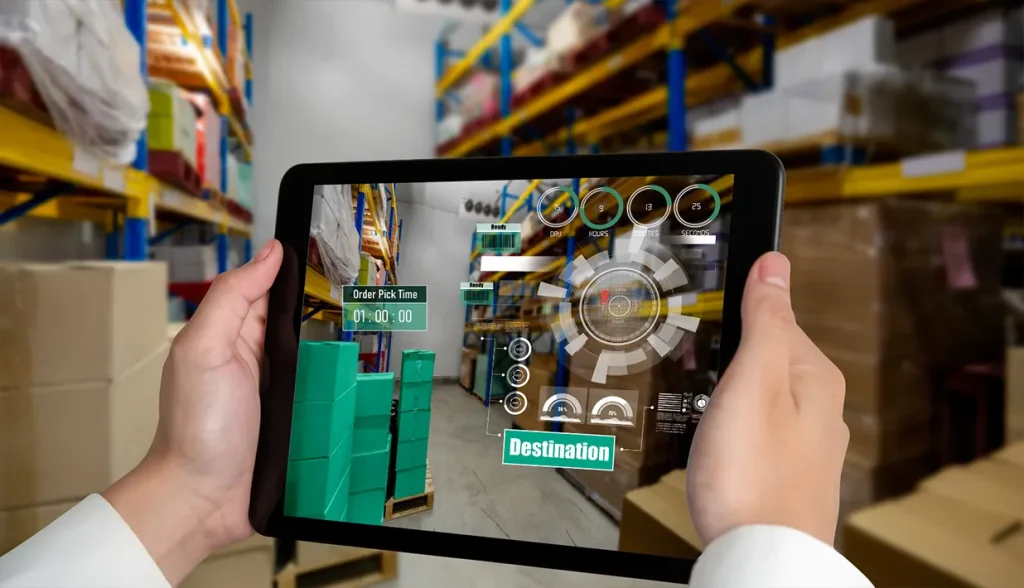
RFID technology fundamentally redefines descriptive labelling by embedding digital information directly into products. This allows for non-line-of-sight reading, simultaneous scanning of multiple items, and the ability to store and update vast amounts of data. We leverage this capability to transform how businesses manage inventory, track assets, and interact with their customers.
How RFID Enhances Descriptive Labelling
RFID tags, integrated into or onto products, provide a digital layer of descriptive labelling that offers numerous advantages:
- Expanded Data Storage: RFID chips can store significantly more data than printed labels, including detailed product specifications, origin, maintenance history, and even multimedia links.
- Real-time Updates: Information on an RFID tag can be updated dynamically, ensuring that data is always current, whether it’s pricing, promotions, or expiry dates.
- Automated Data Capture: RFID readers can automatically identify and track items, eliminating manual scanning and reducing human error.
- Enhanced Supply Chain Visibility: From manufacturing to retail, RFID enables precise tracking of every item, providing unprecedented transparency and control.
- Interactive Consumer Experience: Customers can use NFC-enabled smartphones to tap RFID tags and access rich product content, authenticity verification, and personalized offers.
Practical Applications of RFID in Modern Descriptive Labelling
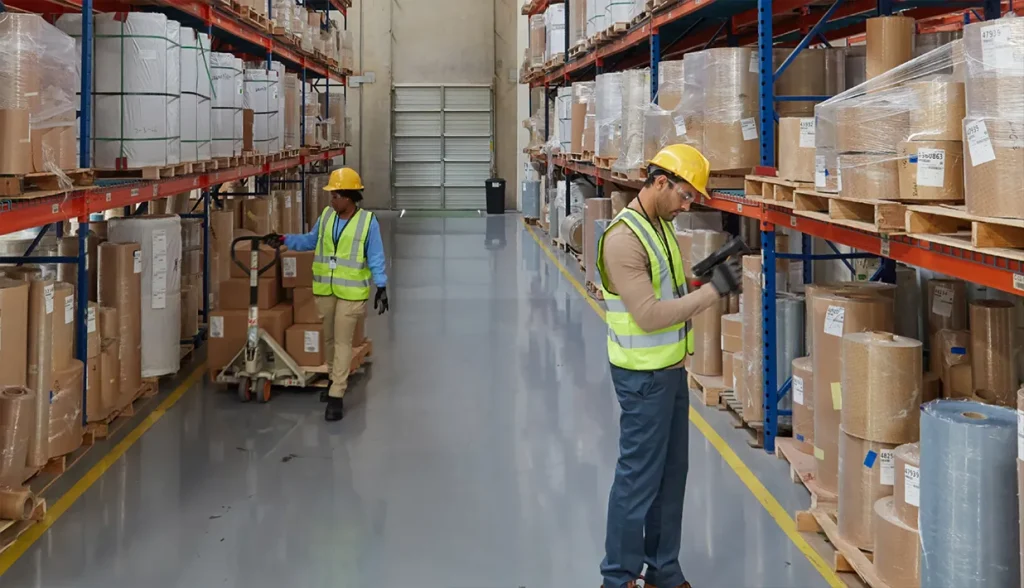
We see RFID’s impact across various industries, where it is solving critical descriptive labelling challenges and driving operational efficiencies.
Case Study: Retail Inventory Management
Consider a large retail chain, such as a fashion giant like Uniqlo or Zara, struggling with inventory accuracy due to manual descriptive labelling processes. By implementing RFID, each garment is tagged with an RFID label. This allows for:
- Rapid Inventory Counts: Store associates can scan an entire rack of clothing in seconds, drastically reducing the time and labor required for inventory checks.
- Improved Stock Accuracy: Real-time data ensures that inventory records are always up-to-date, minimizing stockouts and overstocks.
- Enhanced Customer Experience: Accurate inventory data means customers can reliably find desired items in-store or online.
Example: Pharmaceutical Product Tracking
In the pharmaceutical industry, precise descriptive labelling and tracking are paramount for patient safety and regulatory compliance. RFID tags on individual medicine packages can store batch numbers, expiry dates, and even temperature logs. This facilitates:
- Authenticity Verification: Combating counterfeiting by providing unique digital identities for each product.
- Recall Management: Quickly identifying and isolating affected batches in the event of a product recall.
- Cold Chain Monitoring: Ensuring temperature-sensitive medications maintain their integrity throughout the supply chain.
The Future of Descriptive Labelling is Connected
RFID is converging with IoT sensors and cloud-based analytics to build a connected, intelligent descriptive labelling ecosystem. Every product can tell its own story. It shares trusted data across its lifecycle. It delivers timely, actionable insights at every stage.
Conclusion: Embrace the Power of RFID for Superior Descriptive Labelling
In an increasingly data-driven world, the limitations of traditional descriptive labelling are becoming more pronounced. RFID technology offers a robust, scalable, and intelligent alternative, providing businesses with the tools to enhance efficiency, improve accuracy, and deliver superior customer experiences. We invite you to explore how RFIDLabel’s high-quality, customizable RFID cards, tags, and labels can transform your product identification strategies. Visit rfidlabel.com today to learn more about our solutions and discover how we can help you unlock the full potential of your products.
FAQs
How does RFID technology differ from barcodes in terms of descriptive labelling?
While both barcodes and RFID tags provide product identification, RFID offers significant advantages. RFID tags can be read without a direct line of sight, multiple tags can be read simultaneously, and they can store much more data that can be updated dynamically. Barcodes require line-of-sight scanning and typically store static, limited information.
Are RFID labels environmentally friendly?
Yes, RFIDLabel offers eco-friendly RFID options. We are committed to sustainable practices and can provide solutions that align with your environmental goals, including tags made from recyclable materials or designed for minimal environmental impact. Please contact us for specific eco-friendly product details.
Recommended Product
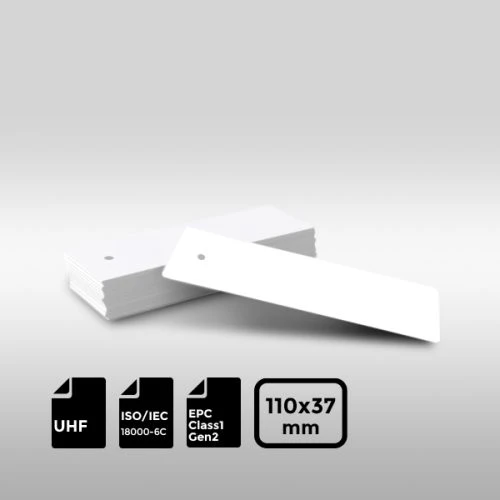
UHF RFID Hang Tag Impinj® Monza® R6-P 110×37mm | ISO18000-6C

The Impinj® Monza® R6-P RFID Hang Tag is specifically designed for the apparel industry. This hangtag seamlessly integrates into clothing hangtags, ensuring accurate tracking and inventory management. It effectively safeguards merchandise against theft and counterfeiting, while maintaining stability and performance advantages. The Impinj® Monza® R6-P RFID Hang Tag enhances operational efficiency for clothing brands and protects brand integrity.