


Choosing the right RFID care labels are not just about selecting a chip. In apparel projects, the real difference often comes from how well the label structure matches the garment itself. Fabric softness, wash conditions, sewing method, label position, and wearing comfort can all affect long-term performance. In our factory experience, many RFID label issues are not caused by the RFID inlay alone, but by using a label construction that does not fit the garment type.
That is why an RFID care labels should be selected as part of garment development, not added at the end of the process. When the label is matched to the product early, brands can reduce testing time, avoid production adjustments, and achieve more stable performance in retail, inventory, or traceability applications.
Why Garment Type Should Guide RFID Care Label Selection
Different garments create different technical requirements. A basic cotton T-shirt, a denim jacket, a stretch sports top, and a swimsuit do not behave the same way during sewing, packaging, wearing, or washing. If the label structure is too stiff, it may affect comfort. If it is too soft or poorly positioned, it may lose stability after stitching or repeated washing.
In practical apparel RFID projects, we usually evaluate five key points before recommending an RFID care label:
- fabric softness and thickness
- whether the label touches the skin directly
- wash frequency and wash conditions
- sewing position and folding method
- whether the project is for retail inventory, brand traceability, or laundry management
This garment-first approach helps buyers avoid choosing labels only by price or chip model.
A More Practical Selection Guide by Garment Type
| Garment type | Recommended RFID care label style | Suggested material direction | Main reason |
| T-shirts, shirts, casualwear | Soft sew-in care label | Nylon taffeta or soft polyester satin | Better comfort and efficient mass production |
| Denim, uniforms, workwear | Reinforced sew-in label | Durable woven textile base | Better resistance to stress, pulling, and repeated handling |
| Sportswear, leggings | Flexible washable label | Soft textile label with stable inlay support | Better balance between comfort and read stability |
| Swimwear | Moisture-resistant integrated label | TPU or sealed textile construction | Better durability in wet environments |
| Luxury fashion | Slim branded woven label | Custom woven or satin-finish structure | Better visual presentation with integrated RFID function |
| Rental apparel, laundry programs | Industrial washable textile RFID tag | High-durability textile RFID format | Designed for repeated washing and lifecycle tracking |
Placement Matters as Much as Material
A good label can still underperform if it is sewn into the wrong position. We normally advise you to confirm these points before mass production:
- Choose the sewing location early in sampling
- Check whether the label will touch skin directly
- Test read performance after folding and stitching
- Confirm wash, heat, and packaging conditions
- Encode based on your ERP, WMS, or GS1 structure
GS1 US placement guidance for apparel also emphasizes integrating RFID into existing labels when possible and selecting a location that preserves performance.
Reference Case
Conclusion
The right rfid care labels are the one that matches the garment’s fabric, wash environment, brand positioning, and operational goals. We recommend choosing by garment type first, then confirming material, sewing method, and placement through sampling. After reading this guide, buyers can move faster from selection to implementation and explore suitable custom solutions or product details at rfidlabel.com.
FAQs
1. Can one RFID care label design work for every garment?
Usually not. A universal design may simplify purchasing, but garment comfort, wash conditions, and sewing position often require different label constructions.
2. Is a sewn-in RFID care labels better than hangtag?
For long-term garment identification, a sewn-in rfid care labels are usually the better choice. Hangtags work well for retail display, but sewn-in labels stay with the product throughout its life cycle.
Recommended Product
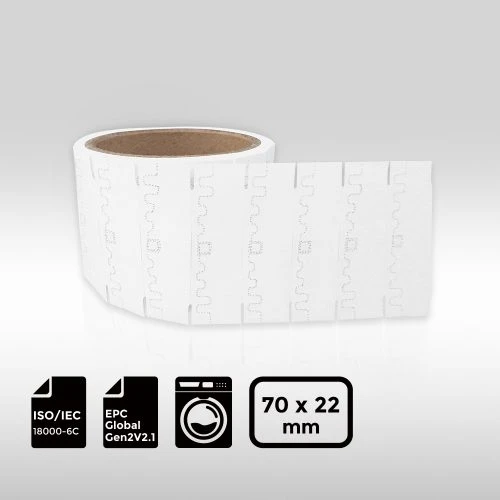
Printable UHF Laundry RFID Label NXP® UCODE® 9xe | 70×22mm

Take your textile management to the next level with the NXP® UCODE® 9xe Printable UHF Laundry Label (70×22 mm). Designed for unmatched durability, it thrives through countless wash cycles while delivering fast and precise RFID tracking. Its printable surface offers the flexibility to integrate logos, branding, or serial information,creating a seamless connection between physical textiles and digital systems.
The world’s first smart laundry label supporting direct printing via RFID printers. Compatible with mainstream RFID printing devices for instant programming and printing. Exceptional durability withstanding over 200 cycles of industrial washing. Withstands harsh environments including industrial washing, dry cleaning, and ironing. Ideal for intelligent laundry management in hotels, healthcare, and rental services.

Washable Smart Textile UHF RFID Tag 70×40mm NXP UCODE® 9 | ISO18000-6C
Enhance inventory efficiency with our washable Smart Textile RFID Tag, robustly designed for the fashion and apparel industries. Measuring 70×40mm and featuring the advanced NXP UCODE® 9 chip compliant with ISO 18000-6C, this tag excels in tracking and durability. The tag comes with a pre-printed generic RFID logo for easy identification and dotted lines for precise sewing, streamlining both inventory management and self-checkout processes.
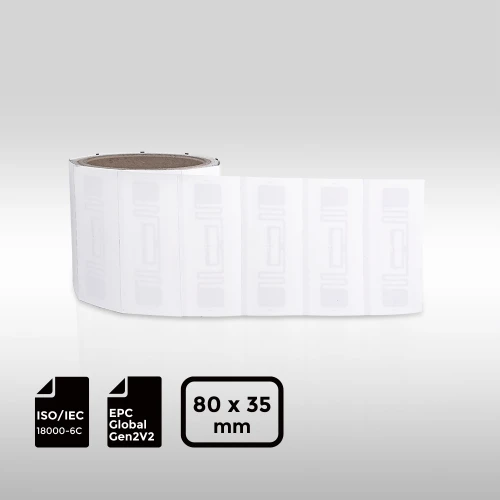
Washable Smart Textile NXP® UCODE® 8 Nylon UHF RFID Tag | 80×35mm
Improve inventory efficiency with our washable smart textile RFID tags, designed specifically for the fashion and apparel industry. Measuring 80×35mm, the tag features the advanced NXP® UCODE® 8 chip, compliant with ISO/IEC 18000-6C, offering excellent tracking and durability. The tag comes with black mark and dashed cutting line for easy identification, streamlining inventory management and self-checkout processes.



