


NXP chip solutions play an important role in RFID and NFC applications, supporting smart transportation, the Internet of Things, identity verification, product authentication, and more. As a leader in this field, NXP Semiconductors offers a wide range of innovative chip products, covering various scenarios from low-frequency to ultra-high-frequency applications, and from basic identification to advanced security requirements.
To help you make the best choice for your project, this guide introduces NXP’s main RFID and NFC chip models, analyzing their parameters, features, and applicable scenarios.
NXP’s RFID Chip Series
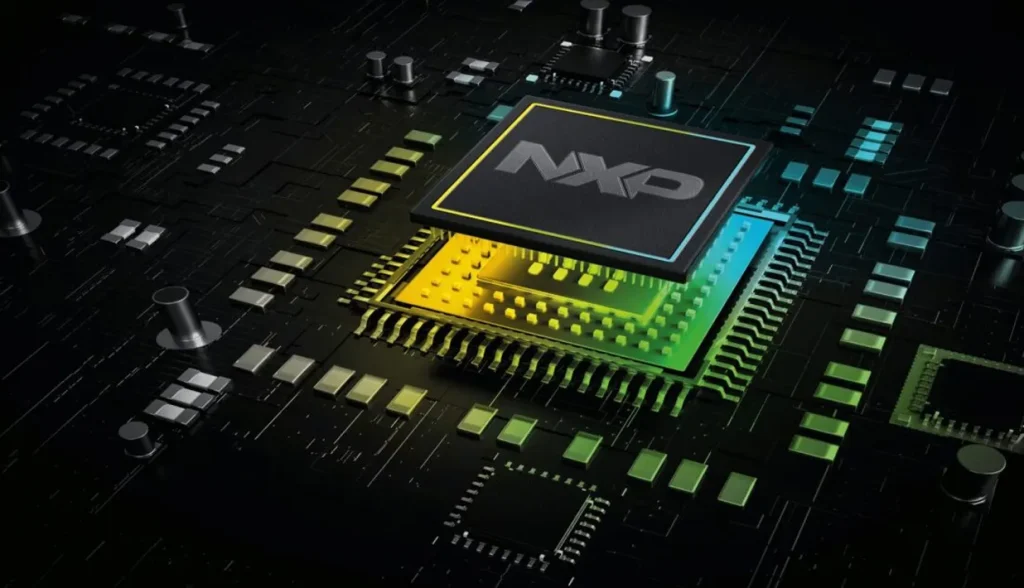
NXP’s RFID chips cover UHF, HF, and LF frequency bands, offering solutions from large-scale asset management to high-security authentication. Below is a detailed analysis of these chips:
Series One: UCODE Series
The UCODE series represents ultra-high-frequency (UHF) RFID chips, suitable for large-scale applications like logistics, supply chain management, and asset tracking. Key features include excellent read range and data transmission speed, meeting the demands for efficient bulk reading.
UCODE 7 and UCODE 8
These chips perform exceptionally well in logistics and supply chain management, especially for large-scale item management. UCODE 8 offers higher read sensitivity and stronger anti-interference capabilities than UCODE 7, making it ideal for environments with high tag density.
UCODE DNA
With AES encryption, UCODE DNA provides high-security anti-counterfeiting capabilities, making it suitable for authentication and brand protection of high-value assets.
UCODE I2C
Integrating an I²C interface allows direct communication with microcontrollers, making it an ideal choice for IoT devices and smart tags, particularly in scenarios requiring real-time data exchange.
Series Two: ICODE Series
The ICODE series primarily targets the high-frequency (HF) RFID market, widely used in library management, industrial tagging, and ticket management. Its advantages include multi-tag identification and good anti-interference performance, suitable for close-range applications.
ICODE SLIX and SLIX2
These chips are ideal for scenarios requiring efficient data management and multi-tag identification, such as library management and industrial tagging. SLIX2 offers superior storage capacity and speed compared to SLIX, better suited for complex application needs.
ICODE DNA
Further enhancing security, this chip is suitable for ticketing and identity verification scenarios requiring high data protection.
Series Three: HITAG Series
The HITAG series operates in the low-frequency (LF) range, commonly used for animal identification, vehicle anti-theft systems, and industrial automation. It features good penetration and anti-interference capabilities, suitable for complex environments.
HITAG 1 and HITAG 2
HITAG 1 is suitable for simple identification applications such as animal identification and basic access control. HITAG 2 offers higher storage capacity and faster read/write speeds, making it suitable for more complex applications.
HITAG S
Featuring higher security and multiple operating modes, it meets advanced needs and is widely used in environments requiring high security.
NXP’s NFC Chip Series
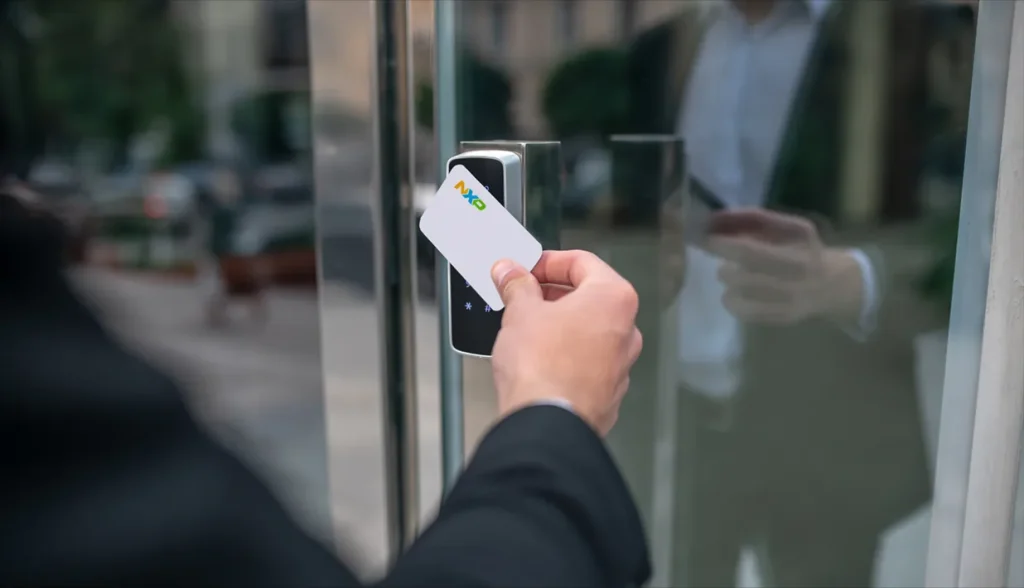
NXP’s NFC chip series covers a broad range of scenarios from basic tag applications to advanced payment systems. The MIFARE and NTAG series have become industry standards in the NFC field, supporting a variety of contactless applications.
Series One: MIFARE Series
The MIFARE series is NXP’s most well-known NFC product, widely used in urban transportation, access control, and payment systems. Its advantages include fast read/write speeds and high security, making it particularly suitable for large-scale deployments.
MIFARE Classic
MIFARE Classic is a fundamental NFC chip designed for use in urban transit systems and low-security access control applications. MIFARE Plus enhances security by supporting AES encryption, making it suitable for applications needing upgraded security.
MIFARE DESFire
Provides the highest level of security and multi-application management for payment systems and high-security access control, suitable for scenarios requiring advanced data protection.
MIFARE Ultralight
MIFARE Ultralight is ideal for single-use tickets and basic identity verification, offering easy integration and a cost-effective solution.
Series Two: NTAG Series
NTAG chips are ideal for smart tags and IoT devices. They offer high compatibility with smartphones and other NFC devices. These chips are widely used in product authentication and interactive marketing.
NTAG 213/215/216
Depending on storage capacity, these chips are suitable for applications ranging from basic to complex tagging. NTAG 216, with the largest capacity, is suitable for complex scenarios requiring large data storage.
NTAG I2C
NTAG I2C features an I²C interface. This allows direct communication with microcontrollers. It is especially suitable for smart home and industrial automation scenarios. The chip excels in environments where frequent data interaction is required.
Series Three: PN Series
The PN series represents NXP’s high-performance NFC controllers, widely used in mobile payments, smart homes, and multi-functional NFC devices. They support multiple NFC protocols, offering strong processing power and multi-protocol support.
PN5180
Suitable for POS machines and access control systems, supporting high-frequency NFC communication with strong anti-interference capabilities.
PN7462
Integrating microcontroller functions, it is suitable for scenarios requiring multi-functional integration, widely used in consumer electronics and payment systems.
PN7150
With a plug-and-play design, it is suitable for smart home devices and portable terminals, simplifying the development and deployment process.
Conclusion and Recommendations
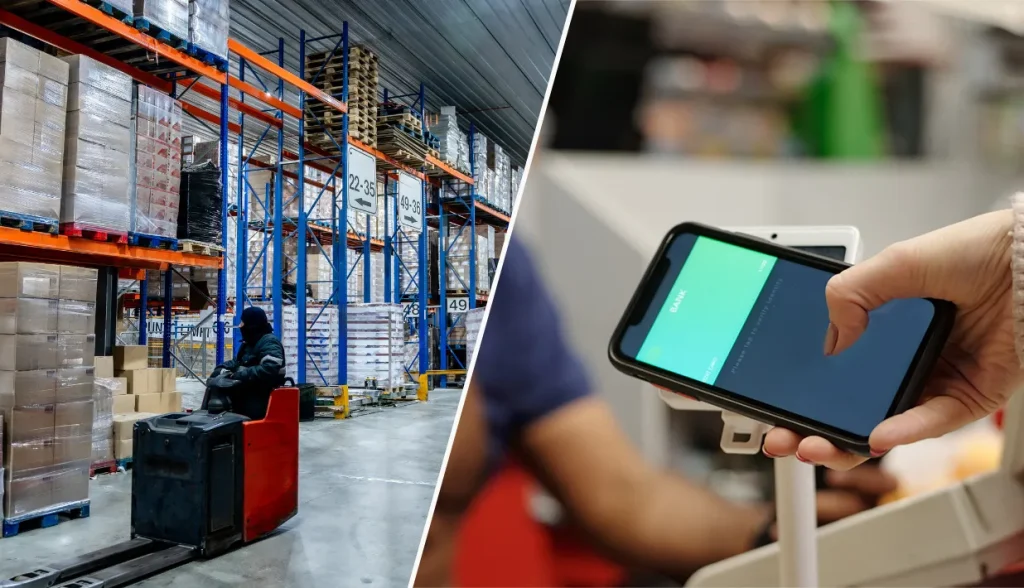
NXP offers flexible and powerful solutions across various application scenarios in the RFID and NFC chip sectors. Whether you are managing large-scale logistics or developing high-security payment systems, NXP provides suitable chip choices. By thoroughly understanding these chips’ parameters and features, you can select the most appropriate model for your project, ensuring successful implementation.
In summary, if you need:
- Large-scale asset management and logistics tracking: The UCODE series, particularly UCODE 7 and UCODE 8, will be your best choice.
- High-security authentication and anti-counterfeiting: UCODE DNA and ICODE DNA provide robust security guarantees.
- Urban transportation and large-scale access control systems: The MIFARE series, including MIFARE Classic and MIFARE Plus, are mature and reliable options.
- IoT and smart tags: The NTAG series and UCODE I2C will meet your needs.
- Mobile payments and smart homes: High-performance NFC controllers like PN5180 and PN7462 from the PN series are ideal choices.
If you need more information on RFID and NFC technology or want to purchase high-quality RFID labels, visit rfidlabel.com. These websites offer a rich selection of RFID products and can provide professional technical support and solutions for your project.
FAQs
1. Should I choose the NXP chip first or define the application first?
Before choosing an NXP chip, it is better to define the application requirements first. Key factors include reading distance, reader type, smartphone compatibility, memory size, security level, operating environment, and whether the tag will be used on metal, plastic, paper, or packaging. Once these requirements are clear, it becomes much easier to select the right chip family and tag structure.
2. Why can two RFID or NFC tags using the same NXP chip perform differently?
The chip is only one part of the final tag performance. Antenna design, label size, material, adhesive, mounting surface, reader power, encoding method, and surrounding interference can all affect read range and reliability. For this reason, two tags using the same NXP chip may perform differently in real-world applications.
3. How should I test an NXP RFID or NFC chip before mass production?
Before mass production, it is important to test the chip and tag in the real application environment. This includes testing with the actual reader or smartphone, checking read distance and response speed, verifying data encoding and security settings, and testing the tag on the final product surface. Small-batch sampling helps reduce the risk of choosing the wrong chip or label design.





