
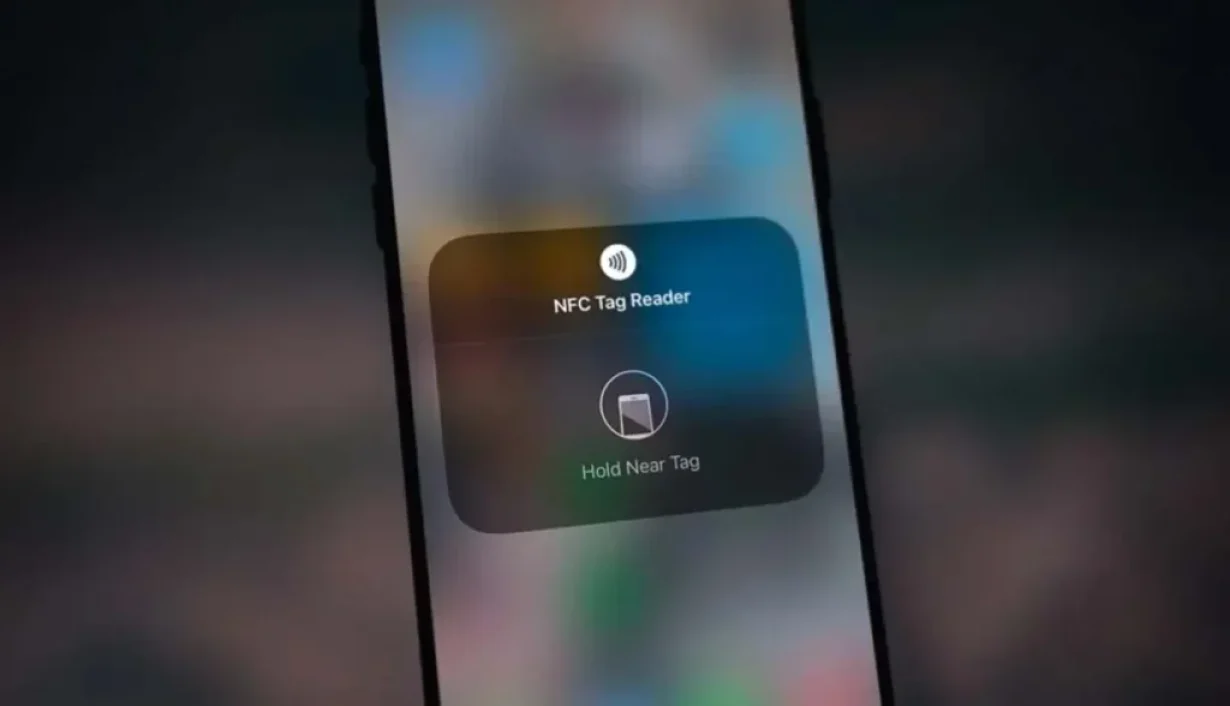

In today’s digital world, Near Field Communication (NFC) technology has become an integral part of our daily lives, especially in the areas of mobile payments and data exchange. iPhone users often utilize NFC for Apple Pay payments, transit card swipes, and quick pairing with compatible devices. However, with this increased convenience comes a central question: How secure is the NFC technology in the iPhone? How does it protect our privacy and data? In this article, we’ll take a closer look at the security mechanisms of NFC in iPhone, the potential risks, and the measures Apple has taken to ensure the security of user data.
1. NFC Technology Fundamentals and Security

NFC is a short-range wireless communication technology that allows two devices to exchange contactless data nearby (typically within 10 centimetres). This short-range feature is an important cornerstone of NFC security. Compared to long-range wireless technologies such as Wi-Fi or Bluetooth, NFC’s short range significantly reduces the risk of data interception or remote eavesdropping. An attacker would have to be very close to the user’s device to attempt to intercept the data, which makes the attack more difficult in practice.
NFC communications typically utilize two-way authentication and encryption. This means that both communicating parties are authenticated before data transmission begins and the transmitted data is encrypted to prevent unauthorized access and tampering. This built-in security mechanism provides basic protection for NFC applications.
2. Secure Element and NFC in iPhone

Apple placed special emphasis on user privacy and data protection when integrating NFC technology into the iPhone. One of its core security mechanisms utilizes the Secure Element (SE). The Secure Element is a standalone, certified chip specifically designed to securely store sensitive information such as payment card numbers, biometric data and digital credentials. It is isolated from the device’s operating system and apps, so the data in the Secure Element is protected even if the rest of the device is attacked.
When a user uses Apple Pay or other NFC-based services, the actual payment card information is not stored directly in the iPhone’s main processor or memory but is encrypted and stored within the secure element. Instead of transmitting the actual card number, the secure element generates a unique, one-time transaction code (also known as a token) for each transaction. This “tokenization” process further enhances the security of the payment, and even if the transaction data is intercepted, it cannot be used for subsequent fraudulent transactions.
In addition, the iPhone’s NFC functionality typically requires user authentication, such as through Face ID, Touch ID or a passcode. This means that even if the phone falls into someone else’s hands, an unauthorized user cannot easily use NFC to make payments or access sensitive data. This multiple security authentication mechanism provides an extra layer of protection for the user.
3. Potential Risks and Apple’s Response
Although the iPhone’s NFC technology is designed to be highly secure, no technology can be secure. Here are some of the potential risks and the steps Apple is taking to address them:
Eavesdropping: Despite the short range of NFC communication, it is theoretically possible to eavesdrop on data if an attacker uses a specially designed device to intercept the signal very close to the point of communication. However, because iPhone NFC transactions typically involve encryption and tokenization, even if data is intercepted, its content is difficult to understand or exploit.
Data Tampering: Attackers may attempt to tamper with data during transmission. However, since NFC communications typically include integrity checks and encryption, any tampering will cause the data checks to fail, thus invalidating the transaction.
Man-in-the-Middle Attack:This attack occurs between two communicating parties, where the attacker intercepts and potentially modifies the content of the communication. However, the short-range nature of NFC and the two-way authentication mechanism make man-in-the-middle attacks difficult to implement. In addition, Apple’s Secure Element and tokenization process further reduces the success rate of such attacks.
Malicious App Attacks:Malicious apps may attempt to access or abuse NFC functionality. Apple limits app permissions through a strict App Store review process and iOS sandboxing. Apps require explicit user authorization to access NFC features, and their access to secure components is strictly limited to the security APIs provided by Apple.
Lost/stolen device:If an iPhone is lost or stolen, an unauthorized user may attempt to access NFC functionality. However, as mentioned earlier, biometric/password authentication such as Face ID, Touch ID, or passcode is a mandatory requirement for using NFC for payments, which greatly reduces the risk. Users can also remotely lock or wipe device data through the Find My iPhone feature.
Apple continues to invest significant resources in designing and improving its security solutions, including regularly updating iOS to patch potential vulnerabilities and pushing developers to utilize the Secure Component API to secure in-app NFC transactions. Together, these measures create a robust security ecosystem designed to protect user privacy and data.
4. NFC Security Comparison: iPhone vs. Other Platforms
To better understand iPhone NFC security, we can compare it to other platforms. While implementation details vary by manufacturer and operating system, the core security principles are similar. Below is a simplified comparison table focusing on key security features:
| Security features/platforms | iPhone (iOS) | Android (some high-end models) | Others (e.g., some older Android/feature phones) |
| Security Element (SE) | yes (hardware level isolation) | yes (some models, usually hardware level) | no/software emulation (less secure) |
| Biometric/Password Authentication | Mandatory (payment) | Optional/Mandatory (depending on app and settings) | Usually no or simple passwords |
| Tokenization (Tokenization) | Yes (Apple Pay) | Yes (Google Pay/other payment services) | No/direct transmission of card number (lower security) |
| Application sandboxing mechanisms | Strict | Stricter | Less stringent |
| System updates and bug fixes | Timely and frequent | More timely (depending on manufacturer) | Untimely or absent |
| Communication distance | Short (within 10cm) | Short (within 10cm) | Short (within 10cm) |
| Data encryption | Yes | Yes | Yes/No (depending on implementation) |
As you can see from the table above, the iPhone leads the way in NFC security, thanks in large part to its extensive use of hardware security components, mandatory biometric authentication, and strict software ecosystem management. While some high-end Android devices employ similar security measures, the level of security may vary from device to device due to the fragmentation of the Android ecosystem. Older devices or feature phones may lack hardware security components and advanced encryption features, posing a higher security risk.
Conclusion
In summary, the NFC technology in the iPhone is designed to be highly secure, with multiple layers of protection to ensure user privacy and data security. By utilizing independent hardware security elements, implementing tokenized transactions, mandating biometric or password authentication, and strict App Store auditing mechanisms, Apple provides a trusted environment for NFC use. While no technology can be guaranteed to be 100% secure, the iPhone’s investment in NFC security and continuous improvements make it one of the most secure mobile NFC platforms on the market today.
For users, keeping iOS systems and apps up-to-date and enabling security features such as Face ID or Touch ID are best practices to further enhance the security of NFC usage.
RFIDLabel, as an RFID solution provider, understand the importance of data security. We are committed to providing best-in-class RFID products and solutions that are designed from the ground up with data protection and privacy in mind, in order to provide our customers with a reliable, efficient and secure RFID experience. If you have any questions or needs regarding the application of RFID technology in the security field, please feel free to contact us and we will provide you with professional consultation and service.





