


Are you struggling with how to remove RFID sticker adhesive? With the widespread application of RFID (Radio Frequency Identification) technology in vehicle management, more and more vehicle headlights have RFID headlight stickers attached to them. These stickers are not only used to identify vehicles but are often designed with anti-tamper features. RFID sticker removal can be challenging because once removed, the stickers usually break, leaving behind adhesive residue that can be difficult to clean. This article will detail several effective methods for removing this adhesive and provide some important tips to help you successfully remove the adhesive without damaging the headlight surface.
Method 1:Using Heat to Soften Adhesive
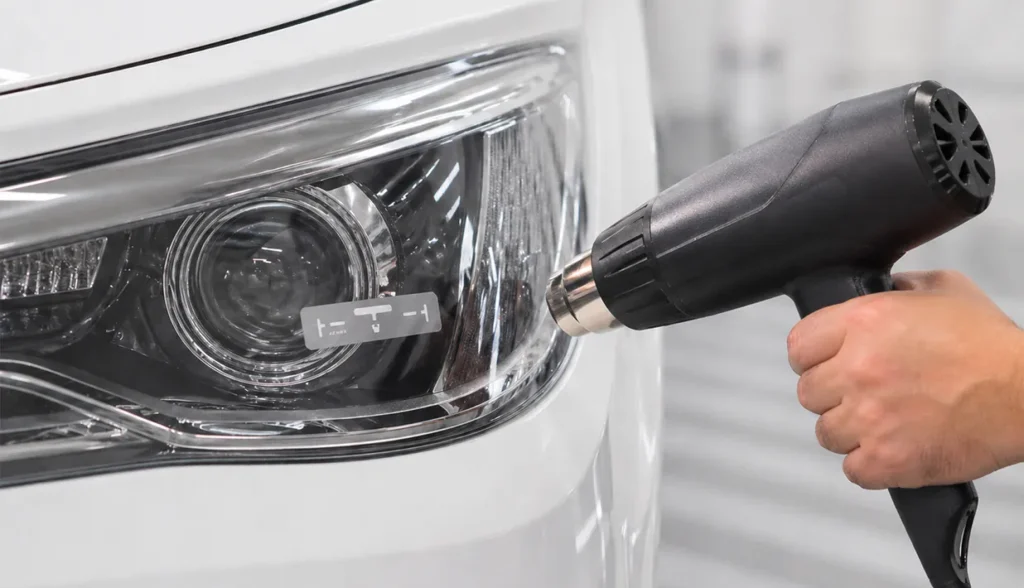
Using heat is one of the most common and effective methods for RFID sticker removal. Heat can soften the adhesive under the sticker, making it easier to peel off.
Steps
- Set the hair dryer to medium heat and aim it at one corner of the sticker for about 30 seconds to a minute. Make sure to keep the hair dryer a few inches away from the sticker to avoid overheating and damaging the headlight surface.
- Gently pry up one corner of the sticker with your fingernail or a plastic card, and then slowly peel it off. If the sticker remains challenging to remove, you can apply additional heat to further soften the adhesive until it becomes easier to peel off.
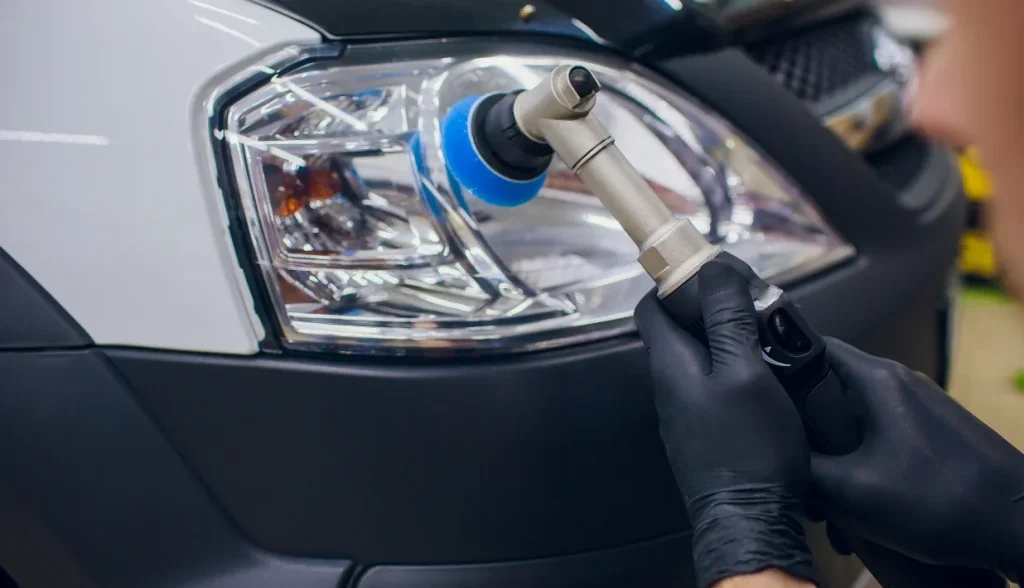
- After heating, the adhesive should become soft and easy to wipe off. Use a microfiber cloth in a circular motion to wipe off the adhesive residue, avoiding scratching the headlight surface.
Advantages
- Physical Method: Utilizes heat directly on the adhesive, leaving no chemical residues and being relatively environmentally friendly.
- Effective: Heat can effectively soften the adhesive, making it easier to remove.
- Simple Operation: Only requires common tools like a hair dryer, with no need for special chemicals.
Disadvantages
- Temperature Control Difficulty: Careful temperature control is needed to avoid overheating, which could damage the headlight surface or cause plastic deformation.
- Time and Patience: It may require repeated heating and cleaning, especially if the adhesive is very stubborn.
Method 2:Using Isopropyl Alcohol (IPA) to Dissolve Adhesive
Isopropyl alcohol is a common solvent that can effectively dissolve the adhesive from RFID stickers.
Steps
- Prepare isopropyl alcohol, a clean cloth or cotton ball, and a plastic card or fingernail.
- Apply the isopropyl alcohol to the sticker, especially around the edges and corners. Let the alcohol penetrate the adhesive and wait for 1-2 minutes.
- Gently pry up one corner of the sticker with a plastic card or fingernail and slowly peel it off. If resistance is encountered, apply more isopropyl alcohol and wait longer.
- If there is still adhesive residue, wipe it off with isopropyl alcohol until the adhesive is completely dissolved.
Advantages
- Easy to Obtain: Isopropyl alcohol is inexpensive and easily available at most pharmacies and supermarkets.
- No Residue: Alcohol dries quickly, usually leaving behind almost no residue or visible marks.
- Gentle: Compared to some chemical removers, isopropyl alcohol is gentler on most surfaces and less likely to cause damage.
Disadvantages
- May Not Be Suitable for All Surfaces: On some plastic or coated surfaces, isopropyl alcohol may cause slight discoloration or damage, so a test should be conducted before use.
- Limited Solvent Effectiveness: For particularly stubborn adhesive residues, alcohol may require long-term repeated use to effectively dissolve.
Method 3:Using Adhesive Remover
Steps
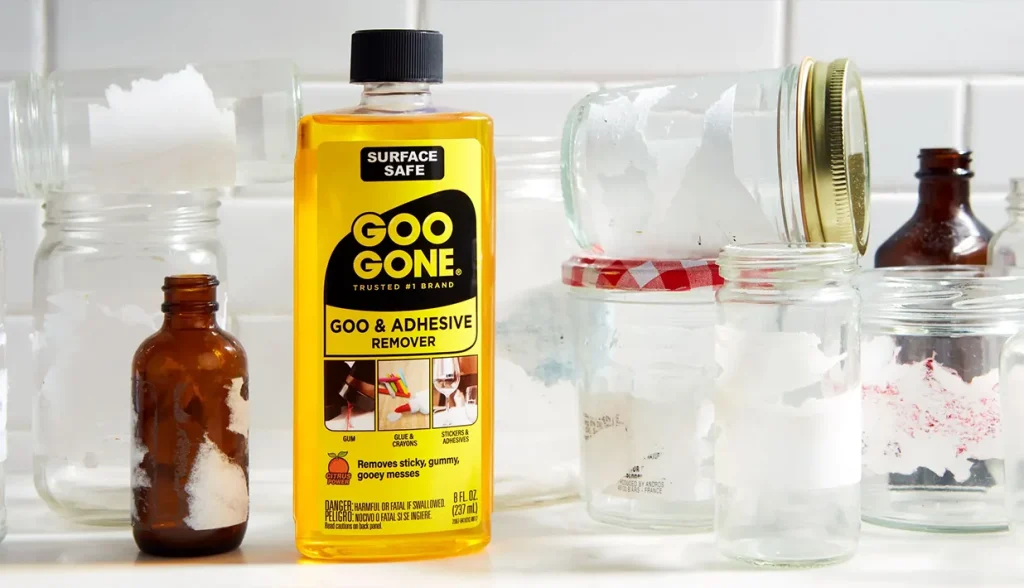
- Choose the Right Remover: Select an adhesive remover suitable for the material of the headlight, such as Goo Gone. Ensure that the remover will not damage the headlight surface.
- Apply the Remover: Apply the remover to the sticker, ensuring it covers the entire sticker. Wait a few minutes for the remover to penetrate and dissolve the adhesive.
- Lift the Sticker: Gently use a plastic card or your fingernail to lift one corner of the sticker, then carefully peel it away. If there is still residue, you can reapply the remover and continue cleaning.
Common Adhesive Removers
Adhesive Remover 1:Goo Gone
A popular commercial adhesive remover that effectively dissolves and removes various adhesive residues. It is suitable for most surfaces, including plastic and glass.
Advantages
- Effective: Goo Gone is specifically designed to remove stubborn adhesives, making it highly effective for removing residues.
- Convenient: Just spray, wait a few minutes, and then wipe away.
- Multi-Purpose: Besides removing adhesives, it can also clean wax, oil stains, and paint.
Disadvantages
- Potentially Harmful to Plastic Surfaces: Although Goo Gone is generally safe for most surfaces, it may cause slight wear or discoloration on some sensitive plastic surfaces.
Adhesive Remover 2:WD-40
Although primarily used for lubrication and rust prevention, WD-40 can also effectively remove adhesive residue. Spray it on the adhesive, wait a few minutes, and then wipe it off.
Advantages
- Multi-Purpose: WD-40 can not only remove adhesive but also serves as a lubricant, rust inhibitor, and moisture barrier.
- Gentle: It usually does not damage most surfaces, including plastic and glass.
Disadvantages
- Less Effective Than Specialized Removers: Compared to dedicated adhesive removers, WD-40 may be less effective on very stubborn adhesives.
- May Leave Oily Residue: Further cleaning may be needed to remove any oily residue left by the product itself.
Adhesive Remover 3:Isopropyl Alcohol (IPA)
This common solvent can dissolve adhesive well, especially on glass and hard plastic surfaces. Be sure to test it on an inconspicuous area before use.
Advantages
- Affordable: Isopropyl alcohol is inexpensive and easy to obtain.
- Widely Applicable: Suitable for glass, hard plastic, and various other surfaces without leaving residues.
- Fast Evaporation: Dries quickly after use, leaving no traces.
Disadvantages
- Potential Damage to Some Plastic Surfaces: While safe for most surfaces, isopropyl alcohol may cause slight discoloration or damage to some plastic surfaces, so a small test is recommended before use.
Adhesive Remover 4:3M Adhesive Removers
There are also a variety of adhesive removal sprays on the market, which are commonly used to remove adhesive residue on the surface of objects and are very effective.
Advantages
- Designed for Adhesive: These products are specifically designed to remove stubborn adhesives, making them highly effective.
- Easy to Use: Generally, just spray, wait a few minutes, and wipe away.
Disadvantages
- Expensive: These specialized removers tend to be more expensive compared to other methods.
- Possible Irritating Odor: Some brands may have a strong chemical smell, so use in a well-ventilated area.
Precautions
During the process, there are some key precautions:
- Avoid Overheating: When using a hair dryer, avoid excessively high temperatures to prevent damage to the headlight’s plastic or other sensitive materials.
- Test Compatibility: Whether using alcohol or an adhesive remover, always test on a small, inconspicuous area or another similar material to ensure it will not damage or discolor the headlight surface.
- Avoid Scratches: When peeling off the sticker, it is recommended to use plastic tools instead of metal ones to avoid scratching the headlight surface.
Can RFID Stickers Still Be Used After Being Removed?
RFID headlight sticker are typically designed to be unusable after removal. This design primarily protects vehicle information security and prevents unauthorized use. The reasons behind this design include:
- Anti-Tamper Design: Many RFID stickers, especially those used for vehicle identification, are designed with anti-tamper features. This means that if an attempt is made to remove the sticker, its internal antenna or circuitry will be damaged, rendering the sticker useless.
- Protecting Vehicle Information Security: RFID stickers usually store vehicle identification information, which is crucial for various automated systems (e.g., ETC, parking management systems). If the sticker could be removed and still function, it could be used by criminals for illegal activities, such as vehicle information theft or unauthorized access to restricted areas. By ensuring the sticker is non-functional after removal, potential security risks are effectively mitigated, protecting the privacy and security of the vehicle and owner.
- Ensuring Sticker Uniqueness: RFID stickers are typically bound to specific vehicles, with each sticker having a unique identifier. Once a sticker is removed and rendered non-functional, it cannot be reused or copied to another vehicle. This design ensures the uniqueness of each sticker, preventing confusion or system errors caused by repeated use of the same sticker on multiple vehicles.
- Preventing Unauthorized Reuse: In some applications, the functionality of RFID stickers may be closely linked to payment or access privileges, such as in electronic toll collection systems (ETC). If the sticker could be reused on different vehicles, it could create loopholes in the payment system, leading to financial and security issues. By ensuring that the sticker is rendered unusable after removal, such problems can be prevented.
Recommended RFID Sticker for Vehicle Use — Tamper-Proof UHF RFID Headlight Label
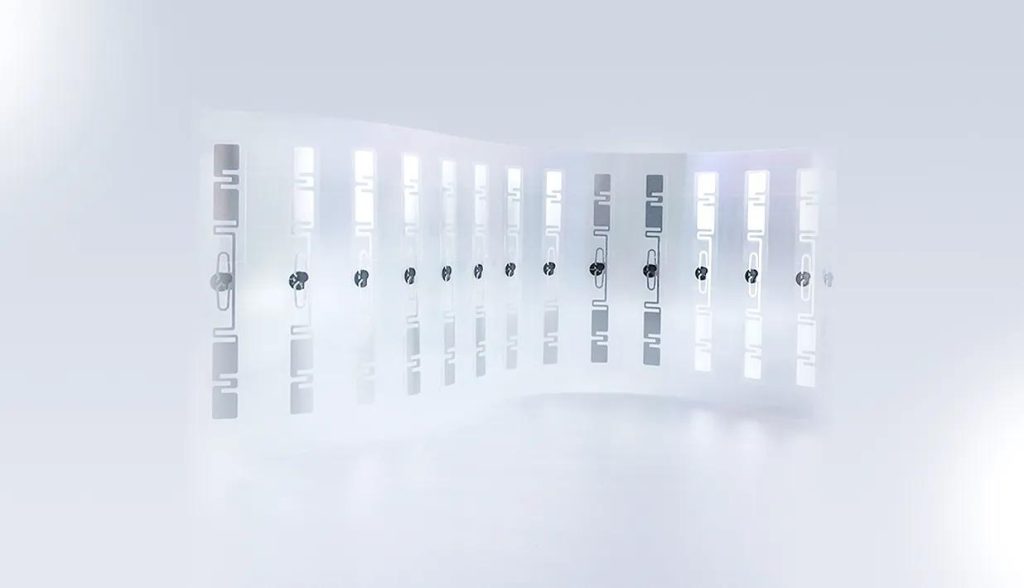
- PET Material: The tamper-proof UHF RFID headlight label is made from PET material, which is highly durable and resistant to contamination. This means that even if the sticker needs to be removed, its surface won’t adhere deeply to the headlight as paper-based stickers might, making it easier to clean.
- Easy to Peel Off: Due to its anti-tamper design, this sticker’s antenna will naturally break if an attempt is made to remove it, but it won’t leave a significant amount of difficult-to-remove residue. This not only enhances the ease of cleaning but also ensures that the vehicle surface is not damaged.
- Highly Adaptable: Whether in high or low-temperature environments, the RFID headlight sticker maintains stable performance, ensuring its physical properties remain consistent during the sticking and removal process, which further reduces the difficulty of cleaning.
Conclusion
By following the methods outlined above, you can safely and effectively remove RFID headlight stickers and their adhesive residue from your vehicle’s headlights. Choosing the appropriate method—such as using heat to soften the adhesive, using isopropyl alcohol to dissolve it, or using a specialized adhesive remover—are all good options. During the cleaning process, be sure to protect the headlight surface to avoid damage.
We hope this article provides you with useful guidance to help you successfully remove the stickers. For more information, you can visit rfidlabel.com.
FAQs
1. What should I do if I need to replace the RFID Sticker?
If you need to replace the RFID sticker, it is usually recommended to purchase a new sticker and ensure that the installation area is clean and smooth for optimal adhesion and functionality. Since old stickers become unusable after removal, you must use a new sticker for replacement. You can refer to the available options here.
2. Can RFID Stickers be applied to other parts of the vehicle?
Although RFID headlight stickers can be attached to various surfaces like headlights and windshields, their performance may vary depending on the placement. The RFID headlight stickers are designed with various installation surfaces in mind, including plastic and glass, making it suitable for multiple surfaces. However, attaching it to headlights typically yields the best results.
Certainly, RFID stickers can also be installed on other parts of the car, such as using an RFID Windshield sticker. However, the installation location typically requires it to be easily identifiable.
Recommended Products
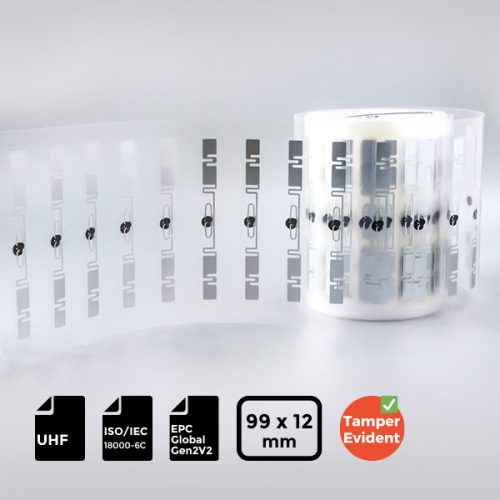
Tamper-Proof UHF RFID Headlight Label 99x12mm | ISO18000-6C

The Tamper-Proof UHF RFID Headlight Label offers secure and reliable identification for various applications. Its unique design resists tampering and unauthorized removal, ensuring data integrity. Using UHF RFID technology, it provides long-range reading capabilities for efficient asset tracking. The tag is highly durable, suitable for harsh environments, and features a secure identifier for each item.



