


With the advent of the digital age, traditional campaign publicity methods have made it difficult to attract public interest. For the organizers of the event, how to improve the promotion of the event and public participation is their top priority. More and more event planners are discovering that RFID technology can be integrated with social media to increase participation in events and effectively improve the exposure of brand events and public participation. This blog will provide a comprehensive discussion of the integration between RFID and social media and its impact on activities.
What exactly does the integration between RFID and social media mean?
RFID technology accurately identifies and tracks objects in the form of radio waves. Second, integrate RFID with social media, such as when participants or people use RFID labels to build interactions with social media platforms at an event. This integrated method allows participants or the public to better interact with social media at the event site. Such as online check-in, posting event status, and sharing photos of the scene, thereby extending offline activities to online Social networks.
What advantages will RFID and social media integration bring?
- Enhance interactivity and participation: By using RFID technology, event planners can have more interactive experiences with participants or the masses. For example, participants simply need to scan their RFID labels to automatically check in, post updates, or participate in a sweepstakes on social media. This interactive experience effectively enhances the interest and sense of participation of participants and the public, thereby encouraging them to actively participate in each aspect of the event.
- Increase visibility of activities: It allows active content to be spread to Social networks in real-time. Every interaction, such as check-in, photo sharing or status update, appears in participants ‘social media feeds and is shown to their friends and fans. This kind of spontaneous social sharing can quickly spread the influence of the event and attract more people and participants.
- Personalized user experience: RFID technology can help event organizers collect behavior data on participants. For example, the activities they participate in and the frequency of interactions. Through this data, planners can provide more personalized experiences to the public and participants, such as recommending interesting booths or meeting agendas, thereby increasing participant satisfaction and loyalty.
- Brand exposure and promotion: Through integration with social media, brand information in the event can be widely disseminated through participants ‘social media accounts. For example, brands can embed brand logos, slogans, or event tags in photos or statuses shared by participants to further deepen the brand’s image. This promotion method is often more contagious than previous advertisements.
- Data analysis and feedback: It helps organizers analyze the effectiveness and participation of activities by collecting a large amount of interaction data between participants and the masses. This data can include check-ins, social media shares, popular booths, etc. By analyzing this data, organizers can adjust activity strategies in real-time.
What are the ways to integrate RFID and social media?
- Check-in and sharing sites: Set up multiple check-in and sharing sites at the event site. Participants can automatically check-in and post status updates on social media by simply placing their RFID labels close to the reader. This method is often used at the entrance to an event or popular booths, helping guide participants to actively participate in social media interactions.
- Interactive photo wall: Set up an interactive photo wall during the event, where participants can take photos and upload photos directly to their social media accounts via RFID labels. This method not only increases the interest of the event but also allows the wonderful moments of the event to be spread instantly, further enhancing the visibility of the event.
- Sweepstakes and rewards: Organizers can use RFID technology to conduct real-time sweepstakes. Participants participate in the lottery by scanning RFID labels, and the winning results will be announced immediately through social media. This approach not only increases the interactivity of the event but also encourages more participants to participate in social sharing, thereby expanding the influence of the event.
- Personalized recommendations and navigation: Through RFID technology, event organizers can provide personalized recommendations and navigation services to participants and the public. Based on collecting participants ‘interest and behavior data, the system can recommend relevant booths, meeting agendas or interactive sessions, and send reminders or updates through social media. This approach not only improves the experience of participants but also increases participation in the event.
Conclusion
All in all, the integration of RFID and social media can significantly improve the promotion and participation of events. At the same time, the exposure of the event brand and the satisfaction of participants have improved significantly. Although the integration of RFID technology and social media needs to face many problems, because RFID technology is constantly optimized, the integration between them will play a key role in future event planning. Especially for brands and organizations that want to occupy a favourable position in an exciting market environment, this is undoubtedly a rare opportunity and new approach.
After reading this blog, if you are interested in RFID and social media integration, you can visit our official website (www.rfidlabel.com) to browse more information. If you want to get solutions for RFID and social media, you can contact our sales experts, who will provide you with the suitable product solutions and professional suggestions according to your needs.
Recommended Product
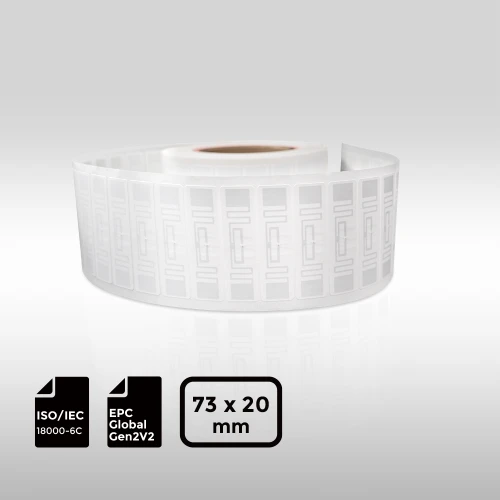
UHF RFID Label Impinj® M730 73×20mm | ISO18000-6C

The M730 RFID Label is a high-performance, versatile label designed for various industrial and commercial applications. Leveraging the advanced Impinj® M730 chip, this label enables solutions for high-speed inventory counting, loss prevention, frictionless self-checkout, and seamless product returns. With a range of EPC and user memory configurations, including cryptographic authentication capabilities, the M730 RFID Label provides unparalleled versatility and security for diverse applications.



