


In today’s fast-paced and data-driven economy, Life Cycle Management has become a critical strategy for organizations aiming to improve asset visibility, efficiency, and return on investment.
From manufacturing and logistics to healthcare and retail, businesses are under increasing pressure to track, manage, and optimize assets throughout their entire life cycle. However, traditional asset tracking methods often fail to support effective Asset Life Cycle Management, resulting in poor visibility, high operational costs, and limited scalability.
This is where RFID Life Cycle Management emerges as a game-changing solution—enabling real-time tracking, automation, and end-to-end asset control.
Challenges in Traditional Asset Tracking
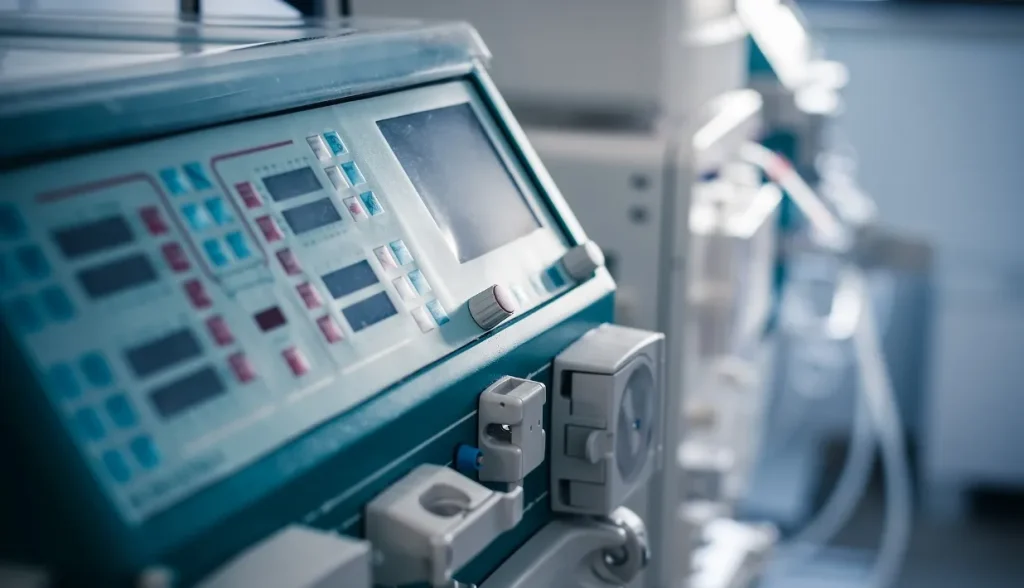
For years, businesses have faced a range of complex issues in asset tracking. These challenges not only impact daily operations but can also result in financial losses and compliance risks.
1. Low Efficiency and High Error Rates in Manual Operations
Many organizations still rely on manual recording and barcode scanning. This approach is labor-intensive, time-consuming, and prone to human error. Employees must scan each asset individually, which becomes highly inefficient in large warehouses or asset-heavy environments.
Errors such as missed scans, incorrect data entry, or damaged labels can lead to inaccurate inventory records—affecting production planning, order fulfillment, and customer satisfaction.
2. Lack of Real-Time Visibility
Traditional tracking systems often fail to provide real-time location and status data. Delayed updates prevent managers from having an accurate, up-to-date view of assets.
This lack of visibility complicates decision-making and can result in asset loss, theft, or underutilization. For example, in production environments, not knowing the location of critical equipment can lead to delays and operational disruptions.
3. Time-Consuming Inventory Counts Disrupt Operations
Regular inventory checks are essential for accuracy, but traditional methods require significant time and manpower—and often interrupt normal operations.
For organizations managing thousands (or even tens of thousands) of assets, full inventory audits become a major operational burden, reducing productivity and potentially impacting revenue.
4. Low Asset Utilization
Without accurate tracking of asset location and usage, companies struggle to optimize utilization. Some assets remain idle while others are overused or unavailable.
This imbalance leads to unnecessary capital expenditures or underutilization of existing resources. For instance, in healthcare, expensive medical equipment may sit unused simply because its location is unknown.
5. Maintenance and Compliance Challenges
Assets requiring regular maintenance or regulatory compliance are difficult to manage with traditional systems. Without accurate maintenance records or calibration tracking, equipment failures, safety risks, and compliance violations may occur.
In highly regulated industries like pharmaceuticals or food production, precise asset tracking is not optional—it is mandatory.
RFID: A Revolutionary Force in Asset Tracking
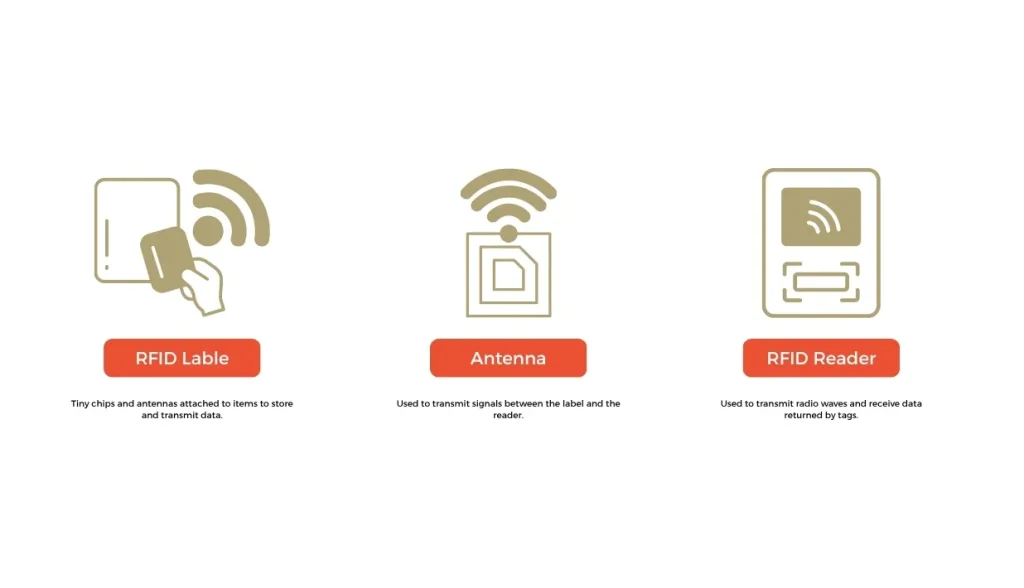
RFID technology is transforming how businesses manage physical assets by enabling automated, efficient, and highly accurate tracking.
Unlike barcode systems, RFID uses radio waves for data transmission, enabling:
- Non-contact reading
- Simultaneous multi-tag scanning
- Longer read ranges
How RFID Technology Works
An RFID system typically consists of three core components:
RFID Tags: Small devices attached to assets, containing a microchip and antenna. They store unique identification data.
RFID Readers: Devices that transmit and receive radio signals. These can be fixed or handheld.
Antennas: Connected to readers, enabling communication with tags.
When a tag enters the reader’s radio frequency field, it is activated and transmits its stored data. The reader then sends this data to back-end systems for processing—all within milliseconds and often for multiple tags simultaneously.
Key Advantages of RFID
Compared to traditional methods, RFID offers significant benefits:
- No Line-of-Sight Required: Tags can be read without direct alignment
- Bulk Reading Capability: Multiple assets can be scanned simultaneously
- Data Storage: More data capacity than barcodes, with read/write functionality
- Durability: Resistant to harsh industrial environments
- Enhanced Security: Supports encryption to prevent tampering and counterfeiting
RFID Life cycle Management: Comprehensive Tracking
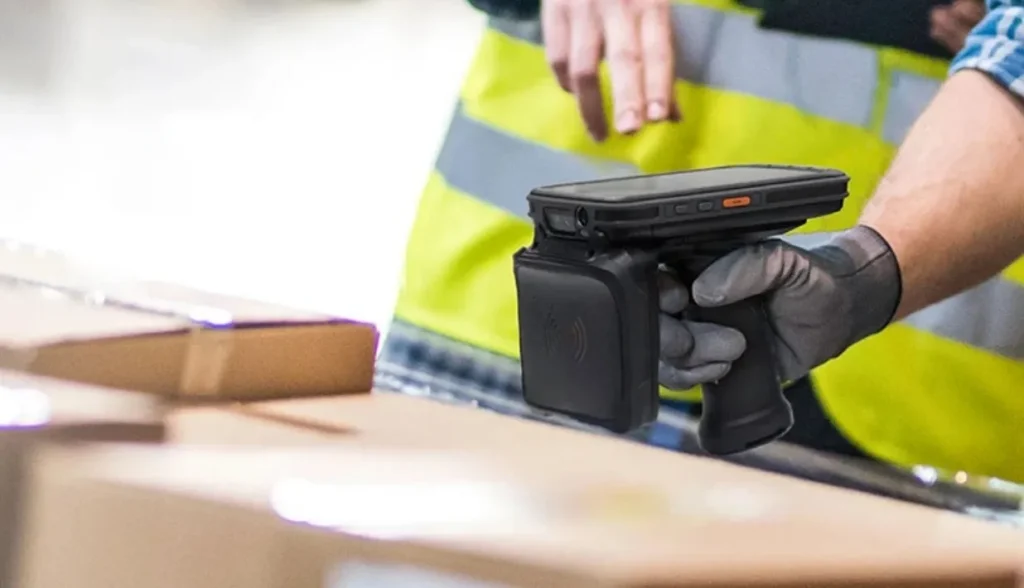
RFID Life cycle Management (RLM) goes beyond simple location tracking. It enables end-to-end management of assets—from procurement and usage to maintenance and disposal.
This approach ensures assets are monitored, optimized, and controlled throughout their entire life cycle.
Key Stages of RFID Life cycle Management:
1. Asset Onboarding and Initialization
When assets are acquired, RFID tags are assigned and attached. Initial data—such as asset ID, purchase date, and supplier information—is written to the tag and stored in a centralized system.
2. Real-Time Tracking and Location
As assets move within facilities, RFID readers automatically track their locations. This provides real-time visibility and prevents loss while improving retrieval efficiency.
3. Usage and Condition Monitoring
RFID systems can integrate with operational workflows to track usage, performance, and condition. Combined with sensors, they can capture data such as runtime, temperature, or vibration—supporting predictive maintenance.
4. Maintenance and Calibration Management
Maintenance history, schedules, and calibration records can be stored and accessed via RFID tags. Automated alerts ensure timely servicing, helping extend asset lifespan and reduce downtime.
5. Inventory and Auditing
RFID dramatically simplifies inventory processes. Bulk scanning enables fast, accurate asset counts without interrupting operations—improving audit readiness and compliance.
6. Disposal and Decommissioning
At end-of-life, RFID systems record disposal details, ensuring full life cycle traceability and supporting compliance and environmental management.
The Core Value of RFID Life cycle Management

Implementing an RFID life cycle management system can deliver multifaceted and significant value to enterprises, thereby enhancing overall operational efficiency and competitiveness.
Enhanced Visibility and Accuracy
RFID provides real-time, precise tracking of asset location and status, eliminating manual errors and improving decision-making.
Improved Efficiency and Productivity
Automation and bulk scanning reduce manual work, shorten inventory cycles, and streamline operations—allowing staff to focus on higher-value tasks.
Reduced Operational Costs
Although initial investment may be higher, RFID delivers long-term savings by reducing labor costs, minimizing asset loss, and optimizing inventory levels.
Extended Asset Lifespan and Utilization
Accurate usage and maintenance tracking enable proactive asset management, extending lifespan and maximizing return on investment.
Stronger Compliance and Security
Detailed life cycle records support regulatory compliance and audits, while encryption enhances data security and prevents unauthorized access.
Conclusion
In an increasingly competitive market, effective asset tracking is no longer optional—it is essential. Traditional methods, with their inefficiencies and lack of real-time visibility, are no longer sufficient.
RFID technology—especially when combined with life cycle management—provides a powerful, end-to-end solution. From acquisition to disposal, it ensures assets are accurately tracked, efficiently managed, and fully optimized.
By improving visibility, reducing costs, enhancing compliance, and boosting operational efficiency, RFID Life cycle Management enables businesses to shift from passive tracking to proactive asset management.
For organizations looking to elevate asset management, streamline operations, and gain a competitive edge, investing in RFID life cycle management is a strategic decision that lays the foundation for future growth and success.
If you’d like to explore how RFID can be tailored to your asset management needs, professional consultation and customized solutions are readily available. Please feel free to contact us.





