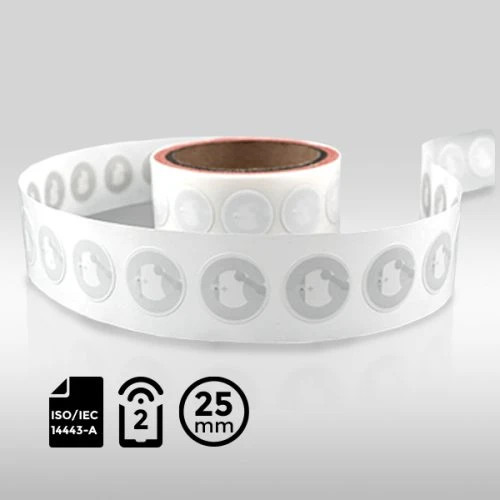

The era of typing long, complex URLs is fading, replaced by the instant, intuitive interaction of the website NFC tag. We are witnessing a fundamental shift in how physical products and spaces connect with the digital world, moving from cumbersome manual entry to a simple tap. For businesses operating in high-volume sectors like retail, logistics, and hospitality, understanding and implementing this technology is no longer a luxury—it is a critical commercial advantage. We believe the true power of the website NFC tag lies in its ability to streamline operations, enhance customer engagement, and provide invaluable data insights.
Understanding the Core Technology of the Website NFC Tag
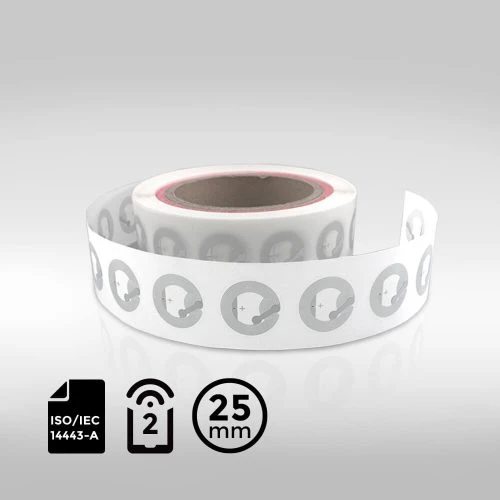
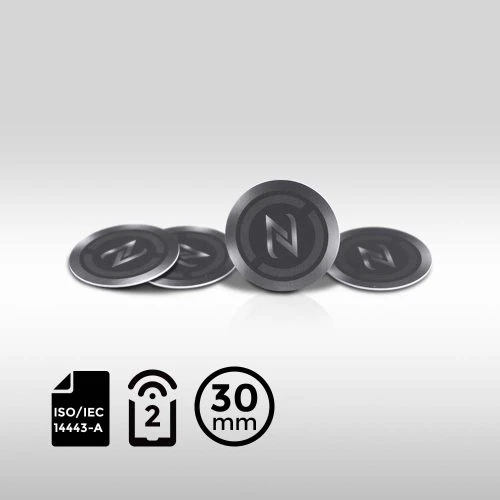
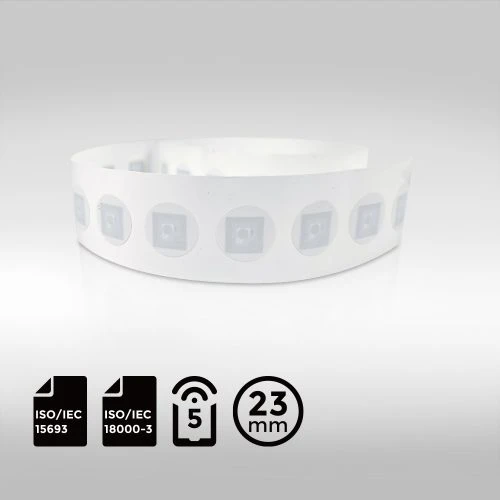
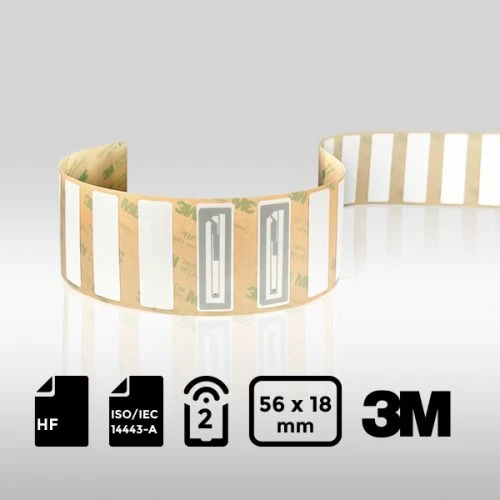
A website NFC tag is essentially a passive, micro-sized chip embedded in a physical item—such as a label, card, or wristband—that contains a small amount of data, most commonly a Uniform Resource Locator (URL). When a compatible device, like a modern smartphone, comes within a few centimeters of the tag, it triggers a connection via Near Field Communication (NFC) technology, instantly directing the user to the encoded website without the need for an app or manual input.
How NFC Tags Bridge the Physical and Digital Worlds
The process is remarkably simple and robust, making it ideal for large-scale commercial deployment. The tag itself is passive, meaning it requires no internal power source. Instead, the initiating device (the smartphone) generates a small electromagnetic field that powers the chip, allowing it to transmit its stored data. This low-power, short-range communication ensures security and precision, eliminating accidental scans.
The Commercial Imperative: Why Choose NFC
We see NFC tags as a superior alternative to QR codes in many scenarios, particularly those requiring durability, speed, and a cleaner aesthetic.
Key Advantages of NFC Tags in Commercial Applications:
- Speed and Convenience: Instantaneous connection with a tap, eliminating the need to open a camera app and focus on a code.
- Durability: NFC tags, especially those encased in robust materials like PVC cards or industrial labels, are highly resistant to dirt, moisture, and wear, ensuring longevity in harsh environments.
- Aesthetics: The tag can be completely hidden within a product label or packaging, maintaining brand integrity and design.
- Security: NFC communication is short-range, making it highly resistant to “shoulder surfing” or remote scanning, which is crucial for access control and secure transactions.

Practical Applications: Driving Engagement and Operational Efficiency
The versatility of the website NFC tag allows for its deployment across numerous industries, transforming standard products into smart, interactive assets.
Enhancing the Retail Customer Experience
In the retail sector, NFC tags are revolutionizing how customers interact with merchandise. A simple tap on a product hangtag can instantly deliver a wealth of information, from detailed sizing guides and material sourcing data to customer reviews and promotional videos. This level of transparency and instant access builds trust and significantly reduces friction in the purchasing process.
A prominent example of effective NFC deployment is in the luxury goods sector, which demands high security and customer trust. For example, combining NFC technology with blockchain to create a complete tamper-proof product authentication ecosystem. By simply tapping a smartphone on an NFC chip embedded in an item, customers can instantly verify its authenticity and ownership, proving the technology’s power to deliver rich, contextual information and security instantly.
Streamlining Inventory and Supply Chain Management
Beyond customer-facing applications, the website NFC tag is a powerful tool for internal operations. By encoding a URL that points to a specific inventory management system entry, warehouse staff can instantly log stock movements, check product specifications, or initiate re-order processes with a tap. This eliminates manual data entry errors and accelerates cycle counting, leading to significant cost savings and improved accuracy.

Procurement Focus: Customization and Quality for B2B Success
When sourcing NFC tags for large-scale deployment, quality and customization are paramount. We understand that a procurement manager’s focus is on securing a reliable, high-quality product that can be tailored to specific operational needs.
Critical Considerations for NFC Tag Procurement:
- Chip Type: Selecting the correct chip (e.g., NTAG213, NTAG215, NTAG216) based on required memory and security features.
- Material: Choosing durable materials (PVC, PET, Epoxy) that match the application environment, whether it’s a hotel key card or an outdoor asset tag.
- Customization: Ensuring the manufacturer can provide precise logo printing, custom shapes, and specific adhesive types for seamless integration into existing product lines.
We pride ourselves on offering flexible minimum order quantities and a high-quality manufacturing process, ensuring that your large-volume orders of website NFC tag products meet the stringent standards required for North American and European markets.

Conclusion
The shift from manual data entry to the instant tap of a website NFC tag represents a significant leap forward in digital connectivity. By integrating this technology, businesses can unlock new levels of operational efficiency, gather richer customer data, and deliver a seamless, modern experience. To explore our full range of NFC tags, labels, and cards, or to discuss a custom solution for your next project, we invite you to visit rfidlabel.com and connect with our expert team.
FAQs
1. Are NFC tags reusable, and can the encoded URL be changed after deployment?
Yes, most commercial NFC tags are designed to be rewritable, meaning the URL or data stored on the chip can be updated after the tag has been deployed. This is a crucial feature for dynamic applications like promotional campaigns or inventory systems where the linked content may change over time.
2. What is the typical read range for a website NFC tag, and does it require a specific app?
The typical read range for a passive NFC tag is very short, usually between 2 and 5 centimeters (about 1 to 2 inches). This short range is intentional for security and precision. Modern smartphones (iOS and Android) can open the linked website by tapping the tag.