In today’s rapidly evolving retail landscape, efficiency and accuracy have become critical factors for business success. With technological advancements, radio frequency identification (RFID) technology is gradually transforming the entire journey of goods from production lines to consumers’ hands. For global brands like Nike, the application of RFID chips represents not merely a technological upgrade but a vital component of their operational strategy. This article will delve into how RFID Nike apparel and footwear products leverage RFID chips, and how this technology is driving transformation across the entire industry. We will reveal the immense value behind these tiny chips using clear and accessible language.
Fundamentals of RFID Technology
Before delving into how Nike utilizes this technology, it’s essential to briefly understand what RFID is. Think of it as a smarter, more powerful version of a barcode.
A basic RFID system consists of two components:
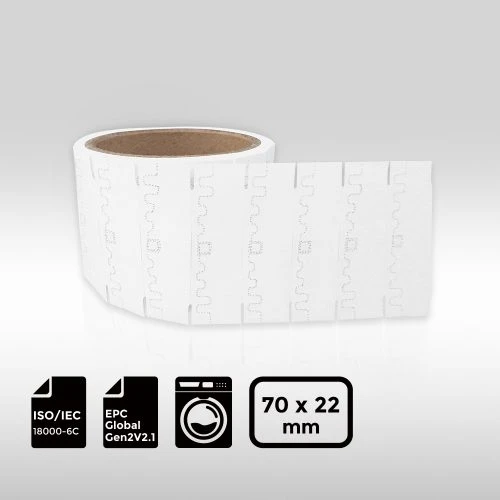
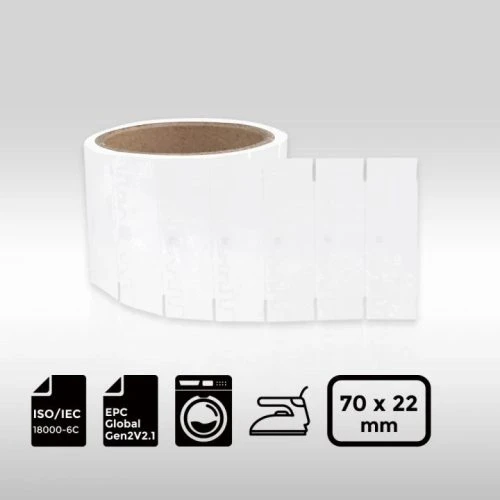
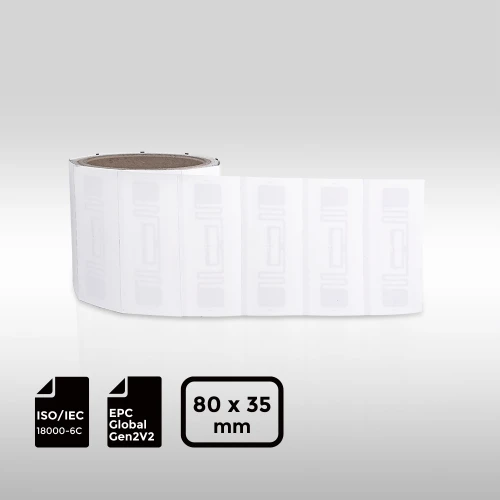
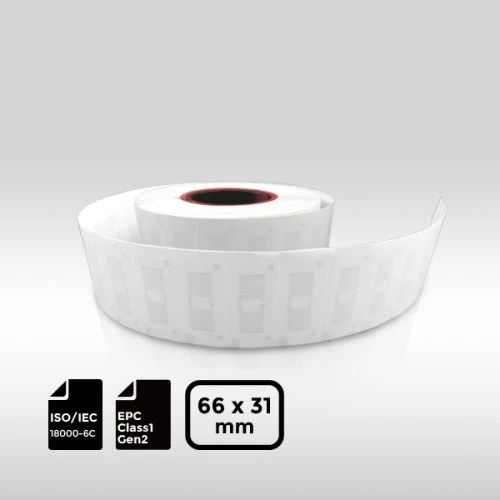
RFID labels: Each label contains a microchip and an antenna. The chip stores a unique identification code.
RFID Reader: The reader emits radio waves. When a label enters its range, the chip activates and transmits its ID back to the reader.
Unlike barcodes that require individual scanning, RFID readers can simultaneously and rapidly read hundreds of labels—even without direct line-of-sight contact. This capability gives it unparalleled advantages in areas like inventory management.
Nike and RFID: Smart Upgrades for the Supply Chain

Nike, as a global leader in sportswear, produces hundreds of millions of apparel and footwear items annually. Managing such vast inventory and complex supply chains poses significant challenges for traditional methods. To address these challenges, Nike has extensively deployed RAIN RFID technology across most of its unauthorized apparel and footwear products. The core of this technology lies in assigning a unique digital identity to each item, enabling precise tracking and identification throughout every stage of the supply chain.
Inventory Management and Visibility
RFID chips play a crucial role in Nike’s inventory management. By embedding RFID labels in products, Nike achieves real-time inventory monitoring. This means the location and quantity of goods can be precisely tracked, whether they are in warehouses, in transit, or on retail store shelves. This high level of inventory visibility helps reduce overstocking, prevent stockouts, and ensure products reach consumers on time. Research indicates that implementing RFID technology can elevate retailers’ inventory accuracy rates from the traditional 65% to as high as 99%. For Nike, this translates to more efficient operations and lower operational costs.
Enhancing Operational Efficiency
RFID technology not only improves inventory accuracy but also significantly boosts Nike’s operational efficiency. Traditional inventory counts typically require substantial manual labor and time, whereas RFID systems can rapidly scan large volumes of labels, drastically reducing count duration. Studies indicate that RFID technology can cut labor costs for inventory counts by up to 75%. Additionally, RFID enables product identification without opening packaging, which is crucial for warehouse management and rapid restocking in retail stores. For instance, RFID sensors in Nike shoe boxes allow managers to access box contents without opening them, significantly improving shoe box management efficiency.
Anti-Counterfeiting and Brand Protection
In a market flooded with counterfeit goods, brand protection is paramount for Nike. RFID chips provide each product with a unique identification code (UID), making it easier to verify authenticity. While some argue that Nike’s anti-counterfeiting applications have yet to fully leverage RFID’s potential, this technology undoubtedly offers a powerful tool in combating counterfeit goods. By scanning the chip, consumers and retailers can confirm product authenticity, thereby safeguarding brand reputation and consumer rights.
Privacy Concerns: Will RFID Track Me?
This is one of the top concerns for consumers. The answer is: basically no. Brands like Nike primarily use passive RFID labels. These labels have no power source of their own and only activate when very close—typically within a few meters or even just a few inches—to a dedicated reader. This means that once you’ve purchased the product and left the store, virtually no device can read the label information on your shoes or clothing. Furthermore, the labels typically store only an anonymous product serial number, containing no personally identifiable information. Many retailers also allow consumers to remove or disable the RFID labels themselves after purchase to completely alleviate privacy concerns.
The Extensive Impact of RFID Technology in the Apparel and Footwear Industry
Nike is not the only brand benefiting from RFID technology. Globally, an increasing number of apparel and footwear retailers are adopting this technology to optimize operations and enhance customer experiences. RFID applications in the apparel and footwear industry now span inventory management, supply chain tracking, anti-counterfeiting and theft prevention, as well as personalized shopping experiences.
The scale of RFID technology adoption in apparel and footwear is expanding rapidly. IDTechEx forecasts that the retail apparel sector alone will require over 31 billion RFID labels by 2025. This underscores the technology’s immense potential and widespread acceptance within the industry. The table below summarizes key benefits delivered by RFID technology in the apparel and footwear sector:
| Benefit Category | Traditional Method (Barcodes) | RFID Technology | Improvement Level/Feature |
| Inventory Accuracy | Approx. 65% (without RFID) to 95% (barcodes) | Up to 99% | Significantly improved, reducing inventory discrepancies |
| Inventory Counting Time | Time-consuming and labor-intensive | Rapid, automated | Saves up to 75% in labor costs |
| Supply Chain Visibility | Limited, reliant on manual entry | Real-time, end-to-end tracking | Enhanced transparency, optimized logistics |
| Anti-Counterfeiting Capabilities | Easily replicable | Unique UID, difficult to forge | Strengthened brand protection, combats counterfeits |
| Customer Experience | Limited shopping information | Quick access to product details, potential for personalized services | Improved shopping convenience and satisfaction |
| Product Loss | High | Reduced | Minimized losses from theft and mismanagement |
Other brands utilizing RFID
Beyond Nike, numerous other prominent brands have integrated RFID technology into their operations, including Zara, Levi’s, Decathlon, and UR. These brands leverage RFID to achieve more efficient inventory management and a smoother shopping experience, further demonstrating the indispensable role of RFID technology in modern retail.
Conclusion
Nike’s implementation of RFID chips in its apparel and footwear products clearly demonstrates this technology’s immense potential for enhancing supply chain efficiency, optimizing inventory management, and strengthening brand protection. These tiny chips are more than simple identification tools—they serve as bridges connecting the physical and digital worlds, granting businesses unprecedented visibility and control. For companies seeking to maintain a competitive edge in today’s fiercely competitive market, investing in RFID technology is no longer optional but an inevitable trend. As the technology continues to mature and costs further decrease, we can anticipate RFID playing a transformative role across more sectors. It will deliver more convenient and reliable shopping experiences for consumers while creating greater value for businesses.
If you’re interested in learning more, we invite you to visit our official website rfidlabel.com.