Return merchandise authorization is a crucial part of modern retail operations, especially in the fast fashion industry. The concept of RMA refers to the process by which customers return purchased products for various reasons, such as defects, wrong sizes, or simply dissatisfaction. As retail companies, particularly fast fashion brands like Zara, continue to expand their operations, implementing an efficient reverse logistics system is essential. This system ensures that returned goods are processed efficiently and cost-effectively. In this article, we explore how RFID (Radio Frequency Identification) technology plays a significant role in optimizing the return merchandise authorization process within Zara’s reverse logistics chain.
The Growing Challenge of Fast Fashion Returns
The fast fashion industry is notorious for its high volume of returns. As consumers embrace online shopping, the number of returns has skyrocketed, creating logistical challenges for retailers. Zara, known for its rapid inventory turnover and global reach, faces the challenge of efficiently handling returns while keeping costs down. The demand for quick return processing puts immense pressure on the company’s supply chain and customer service operations.
As managing returns becomes increasingly complex, Zara’s focus on Return merchandise authorization has become more critical. An inefficient RMA process can lead to delayed refunds, unhappy customers, and significant operational costs.

What is Return merchandise authorization?
Return merchandise authorization is a procedure that retailers and manufacturers use to allow customers to return products they’ve purchased. This authorization enables customers to return a product, ensuring that the return process is documented and tracked efficiently.
An effective RMA system typically includes:
- Return request initiation: Customers submit a return request through an online portal or customer service.
- Approval and authorization: The retailer reviews the request, and if it meets the return criteria, they issue an RMA number.
- Product return and inspection: The customer sends the product back, where it is inspected for quality, restocking potential, or defects.
- Refund or replacement: The retailer issues a refund or sends a replacement product depending on the return reason.

How RFID Enhances RMA in the Fast Fashion Industry
In the fast-paced world of fashion retail, speed is everything. RFID technology has emerged as a game-changer, helping retailers like Zara streamline their return merchandise authorization (RMA) process. RFID tags attached to products enable retailers to track each item throughout its lifecycle, from manufacturing to purchase and, crucially, returns.
Efficient Product Tracking
RFID allows Zara to track products in real-time, even when they are returned. By embedding RFID tags in their apparel, Zara ensures that each item has a unique identifier that can be scanned and updated during the RMA process. This significantly reduces the time spent manually searching for products in return centers and helps eliminate errors.
Enhanced Accuracy in Returns Processing
One of the biggest challenges in return merchandise authorization is ensuring that the right product is returned and processed. RFID tags simplify this by providing detailed information about the product, such as size, color, and condition. By scanning the RFID tag during the return, Zara can quickly confirm if the product meets the return criteria.
Improved Inventory Management
Integrating RFID into the returns process helps Zara maintain real-time visibility of their inventory levels. When a returned item is scanned, it automatically updates the inventory, preventing overstocking or stockouts. This ensures that Zara can resell returned items that are still in good condition or send defective items for repair or recycling.
Automated Returns Processing
With RFID technology, Zara can automate parts of the returns process. For instance, once an RFID tag is scanned, the system can automatically kick off the next steps in the return merchandise authorization process, whether that means issuing a refund, processing a replacement, or returning the item to inventory. This automation speeds up the returns process and reduces the chance of human error.

The Benefits of RFID for Zara’s RMA Process
Zara’s commitment to leveraging technology to improve return merchandise authorization and reverse logistics processes has led to several benefits:
Cost Reduction
By implementing RFID to streamline the returns process, Zara cuts costs associated with manual labor, errors, and delays. The automation and accuracy in returns processing also reduce the need for excess inventory and lower storage costs for returned items.
Improved Customer Experience
RFID ensures that returned items are processed quickly, cutting down the time customers have to wait for a refund or exchange. This enhances the customer experience, which is crucial for maintaining Zara’s brand loyalty.
Sustainability
As part of its sustainability efforts, Zara has adopted RFID as a tool for more efficient returns management. By accurately tracking returned items, Zara can better resell or recycle them, supporting its eco-friendly initiatives and minimizing waste.

Innovative RFID Applications Beyond RMA
Beyond its application in return merchandise authorization, RFID technology offers numerous other benefits in Zara’s operations, especially in supply chain management and product tracking.
RFID in Inventory Management
Zara’s use of RFID extends beyond just returns processing. It plays a critical role in inventory management as well. By tagging each item in its inventory, Zara ensures that every product can be tracked in real-time. This enables Zara to optimize stock levels, prevent overstocking, and reduce out-of-stock situations.
Improved Product Availability
By using RFID, Zara gains real-time visibility into each product’s movement through its supply chain. This means that even if an item is returned or moved between locations, Zara can keep an accurate inventory count. This helps ensure that customers can find the right products when they visit stores or shop online.
Reducing Shrinkage and Loss
Shrinkage and loss from theft or errors in manual stock counts are common issues in retail. With RFID, Zara can track each product as it moves through the store or warehouse, reducing the risk of inventory loss. This contributes to better stock control and higher profitability.

The Future of RFID in RMA
The role of RFID in Return Merchandise Authorization (RMA) is expected to grow as more retailers adopt this technology. Future advancements in RFID, such as improved tag readability and longer battery life, will further enhance its usefulness in reverse logistics processes.
Zara’s ongoing commitment to innovation in RFID is likely to inspire other fast fashion brands to follow suit, making RFID a standard practice in reverse logistics and RMA. As more companies jump on this technology, we can look forward to faster, more accurate, and more sustainable return processes across the industry.
Recommended Product: Alien Higgs Series RFID Tags
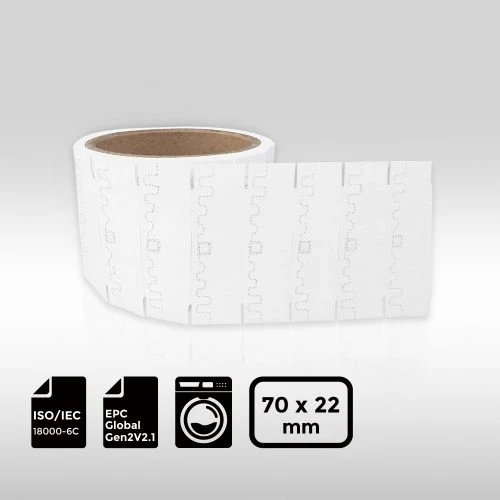
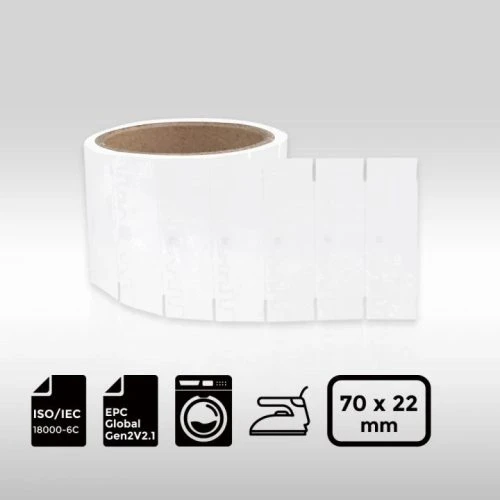
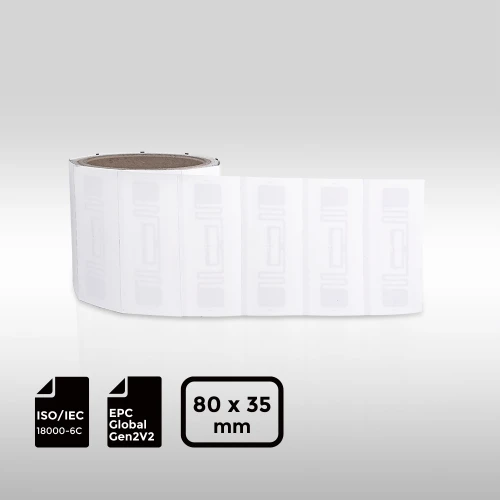
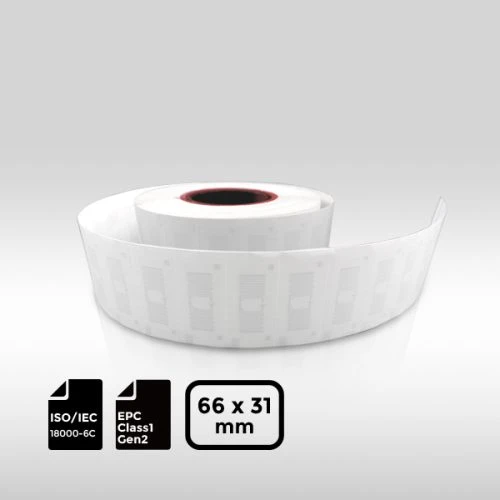
When it comes to automating the returns process and boosting inventory management efficiency, the Alien Higgs Series RFID Tags really stand out. These tags are known for their high read accuracy, strong durability, and resistance to interference, making them perfect for returns authorization systems in fast fashion brands like Zara.
In particular, the Alien Higgs 3 series RFID tags offer excellent read stability and adaptability in complex environments. Whether you’re handling returns or managing inventory, Alien Higgs RFID tags help ramp up efficiency, cut down on errors, and ensure quick product turnover. For companies looking for a reliable and efficient returns process, the Alien Higgs Series RFID Tags are definitely the way to go.
Conclusion
The return merchandise authorization process is a crucial part of reverse logistics in the fast fashion industry, and Zara has tapped into the power of RFID technology to streamline this process. By leveraging RFID, Zara enhances the accuracy, speed, and efficiency of its returns handling, ultimately boosting customer satisfaction and cutting operational costs. As the fashion industry continues to evolve, the role of RFID in returns processing will only become more significant, presenting exciting opportunities for companies looking to optimize their reverse logistics operations.
As we’ve seen, leveraging RFID technology can significantly streamline the Return Merchandise Authorization (RMA) process, optimize reverse logistics, and improve inventory management for fast fashion brands like Zara. Whether you’re looking to enhance your returns processing, boost operational efficiency, or ensure accurate product tracking, RFID solutions like Alien Higgs Series RFID Tags can provide the reliable performance you need.
To take the next step in upgrading your RFID systems, explore our wide range of RFID tags and solutions at rfidlabel.com. Our products are designed to meet the demands of industries like fast fashion, logistics, and retail, offering high-quality, customizable options for all your needs.