


Introduction
In modern RFID technology applications, NFC (Near Field Communication) labels have gradually become an indispensable part of many industries, especially in hospitality, retail, payment, access control, etc. CD-type NFC labels are widely used in various scenarios due to their unique design and high performance. For enterprise customers looking for a high-quality, customized RFID solution, it is important to understand the features, benefits and application scenarios of CD-typed NFC labels. This blog will provide a comprehensive CD-typed NFC Label guide, helping you gain a deeper understanding of the technology and its potential.
1. What is a CD-Type NFC Label
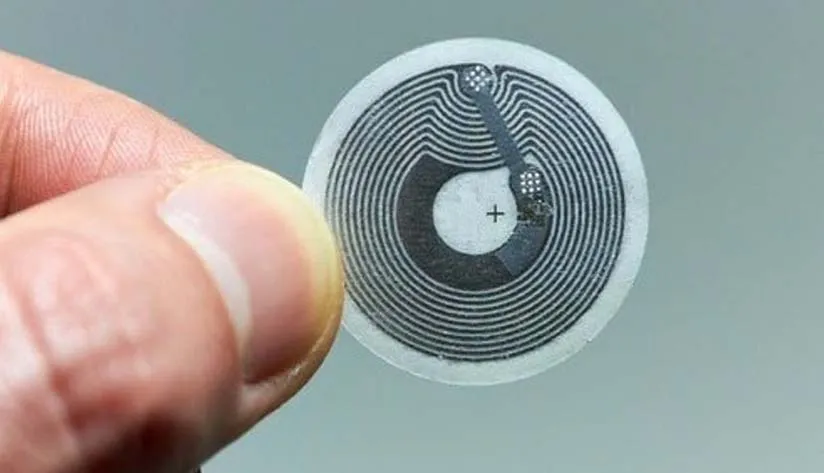
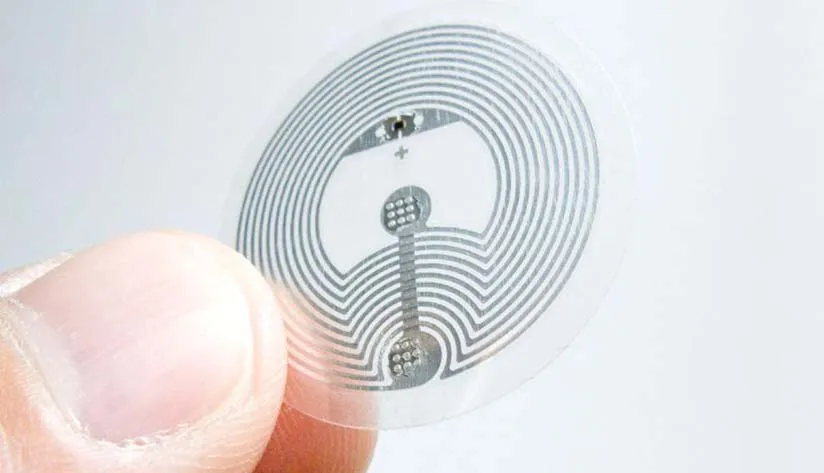
CD-type NFC labels are a kind of wireless communication tags based on NFC technology, usually appearing in the shape of a circle or CD. The biggest difference between NFC labels and other RFID tags lies in the communication method: NFC labels work in the frequency band of 13.56 MHz and communicate with NFC-enabled smartphones or other NFC-enabled devices.
NFC labels communicate with NFC devices through electromagnetic fields. When close to an NFC device, the device provides electrical energy to the label through the electromagnetic field, and the label receives the electrical energy and activates its internal microchip, thus realizing data exchange. Unlike traditional RFID tags, NFC labels realize data transmission through proximity communication, and the working distance is usually within ten centimeters, so it is usually used in places that require high security.
2. Key benefits of CD-Type NFC Label
2.1 High security and anti-counterfeiting function
The high security of CD-type NFC labels is one of its major advantages, especially for scenarios that require anti-counterfeiting and authentication. Its built-in chip and encryption technology make the label very difficult to copy or tamper with. This feature makes CD-type NFC labels especially suitable for anti-counterfeiting authentication of high-value products, helping enterprises combat counterfeiting.
Luxury goods: CD-type NFC labels enable brand authentication and prevent counterfeits in the market.
Pharmaceuticals: Ensure that the source of pharmaceuticals can be traced to avoid the influx of counterfeit drugs into the market.
Art and collectable: Ensure the authenticity of artworks and protect the healthy development of the art market.
2.2 Simple and easy to use
CD-type NFC labels are extremely easy to use, users only need to support NFC devices (such as smartphones, NFC readers, etc.) close to the label, and you can realize the data exchange. Whether for information reading, payment verification or access control, NFC labels can be completed almost instantly. Its efficient operation significantly enhances the user experience.
For example, in retail environments, customers can simply bring their cell phones close to the tags to view product details or make payments directly.
2.3 Low Power Consumption and Long Life
CD-type NFC labels use a passive design that does not require a built-in battery. They are activated by and communicate with an electromagnetic field emitted by an external device, which makes NFC labels very power-efficient and long-lasting. The label’s durability and lack of maintenance make it well-suited for large-scale deployments, reducing long-term operating costs.
NFC labels typically last for several years, making them suitable for a variety of scenarios of long-term use. Since there is no need to replace batteries, organizations do not need to incur high maintenance costs.
2.4 High Flexibility and Customization
CD-type NFC labels are highly customization and can be designed and customized according to the needs of different enterprises. This flexibility makes them adaptable to various scenarios.
Brand customization: Enterprises can print customized brand logos, patterns or promotional messages on the tags to enhance brand awareness.
Shape and size: CD-type NFC labels are not limited to traditional round or rectangular designs, but can also be made in a variety of shapes, such as cards, labels, wristbands, stickers, etc., according to customer needs.
Material selection: According to the different application environments, different materials can be selected, such as PVC, PET and so on. Some CD-type NFC labels can also be made of environmentally friendly materials to meet the requirements of enterprises for sustainable development.
2.5 Bi-directional communication
Compared with traditional RFID tags, CD-type NFC labels support bi-directional communication, which means that NFC labels can not only send information but also receive and store data from devices. This allows CD-type NFC labels to function in more complex application scenarios.
Data Updates: Some CD-type NFC labels allow data to be updated during use. For example, a product label purchased by a customer can store information such as the date of purchase, warranty period, etc., and the data on the tag can be automatically updated over time.
Interactive experience: In scenarios such as advertising and tourist attractions, CD-based NFC labels can provide interactive information to enhance the consumer experience. For example, tourists use NFC labels to obtain detailed information about attractions, route navigation, and so on.
2.6 Global Standards and Interoperability
CD-type NFC labels are based on global standards such as ISO/IEC 14443 and ISO/IEC 15693, which makes them interoperable worldwide. Whether in Europe, North America, Asia, or elsewhere, NFC tags are able to communicate smoothly with devices that comply with these standards. Therefore, CD-type NFC labels are particularly suitable for multinational enterprises, international cooperation and global supply chain management.
This global standardization ensures that CD-type NFC labels can be used seamlessly in different countries and regions, reducing the complexity of cross-border operations and improving the efficiency of global operations.
2.7 Enhancing Customer Experience
By embedding CD-based NFC labels in products, facilities or services, companies can provide a more convenient, interactive and personalized customer experience.
Hospitality: Guests can use NFC key cards to unlock their room doors, reducing the hassle of traditional keys.
Retail: Customers can access product information, coupons or complete payment by easily touching the NFC label on the product while shopping, enhancing the shopping experience.
Tourism: Tourists can use NFC labels to obtain real-time information, e-tickets, and tour guide services for their destinations, enhancing the travel experience.
2.8 Environmental friendliness and sustainability
The environmental benefits of CD-type NFC labels are increasingly being emphasized as global environmental awareness increases. Many CD-based NFC labels use recyclable materials such as PET and eco-friendly plastics, which meet today’s corporate needs for sustainability and green production. Additionally, CD-based NFC labels often feature a battery-free design, reducing their environmental impact.
When choosing NFC labels, companies can select labeling products that meet green standards based on their environmental needs, further enhancing their brand’s eco-friendly image.
3. Application areas of CD-Type NFC Label
3.1 Smart Payment and Electronic Wallet
The combination of NFC technology and payment systems brings a convenient mobile payment experience, and CD-type NFC labels are more and more widely used in the field of smart payment. Many financial institutions, payment platforms and consumers have started to use NFC labels as payment tools.
Bank and credit cards: CD-type NFC labels can be embedded in credit or debit cards. Consumers can complete payments by simply placing the card close to a POS machine without inserting or swiping the card, which greatly improves the speed and convenience of transactions.
E-wallet: Applications such as Apple pay, Google Pay, etc., combined with CD-type NFC labels provide consumers with a convenient way to pay. Simply bring your smartphone or other device close to the payment terminal to complete the transaction.
Transportation cards: CD-type NFC labels are commonly used in public transportation cards, and users can embed them into metro cards, bus cards or e-tickets to achieve fast code-sweeping payment or contactless card swiping.
Micro-payment and fast payment: CD-type NFC labels can be used in some micro-payment scenarios, such as vending machines, parking fees, coffee machines, etc., and users can complete the payment with just one easy swipe.
3.2 Access control and identity authentication
CD-type NFC labels are widely used in access control management and identity authentication, especially in places that require a high degree of security and convenience.
Company and enterprise access control: Employees can enter the company building through cards or wristbands with CD-type NFC labels, and automatically open the door through simple card-swiping operations. It is safer and more efficient than traditional key systems and reduces the complexity of access control management.
Hotel room access control: In modern hotels, CD-type NFC labels can be used as room keys. Guests can enter the room through smart cards or cell phones with NFC labels, eliminating the need for traditional keys and greatly improving customer experience and hotel management efficiency.
School and Campus Management: Many schools and universities use NFC labels for access control, authentication and attendance management. Students or staff members carry cards with NFC labels and are authenticated by a card-swipe system before entering various areas.
Government and Military Organizations: For government and military organizations with high-security needs, CD-type NFC labels are used for strict authentication, access control, and access to classified documents to ensure the security of information and resources.
3.3 Logistics and Supply Chain Management
With the deepening of globalization, logistics management has become more and more complicated. The application of CD-type NFC labels helps companies optimize the logistics process, improve the efficiency of inventory management and enhance transparency.
Cargo tracking: CD-type NFC labels can be affixed to cargo, transportation containers or packing boxes. By scanning NFC labels, staff can track the transportation status, location and progress of cargo in real-time. By combining with a logistics management system (WMS), companies are able to realize real-time data updates and monitoring.
Inventory Management: CD-type NFC labels are widely used in inventory management and warehousing systems. Each cargo or inventory item is given a unique NFC label. Warehouse staff can quickly check inventory status, item quantity and storage location by simply scanning the label, avoiding manual entry errors.
Supply Chain Visualization: The use of NFC labels to achieve supply chain transparency enables all parties (suppliers, manufacturers, retailers) to understand the whole process of products from production to transportation in real-time, optimize inventory management, reduce intermediate links and lower operating costs.
3.4 Smart Products and the Internet of Things (IoT)
IoT technology is changing all industries, and CD-type NFC labels, as a low-power, low-cost and easy-to-integrate technology, provide basic support for smart products.
Smart Home: CD-based NFC labels can be embedded in home appliances and smart devices. Users can easily connect and control smart products at home, such as smart lamps and lanterns, temperature control devices, and smart audio, by scanning the CD-type NFC labels with their cell phones or smart devices.
Smart Asset Management: Enterprises can attach CD-type NFC labels to items and equipment in order to monitor the status and location of assets in real-time and avoid loss or theft of assets. It is especially suitable for the management of tools, equipment, vehicles and other assets.
Smart Packaging: Embedding CD-type NFC labels on the packaging of food, pharmaceuticals and other products, consumers can read the tag information through their smartphones to obtain detailed information about the product, such as production date, expiration date, origin, ingredients and so on. This not only improves user experience but also enhances product traceability.
3.5 Anti-counterfeiting and Brand Protection
CD-type NFC labels are widely used in anti-counterfeiting and brand protection due to their unique encryption and non-replicability. Especially in the field of high-value commodities such as luxury goods, medicines and alcohol, CD-type NFC labels can effectively prevent the circulation of counterfeit products.
Luxury goods and high-end commodities: CD-type NFC labels can bind the unique identification code of the product with the brand information, embedding NFC labels on the product labels, so that consumers can verify the authenticity of the products through cell phone scanning to avoid purchasing counterfeit goods.
Pharmaceuticals and medical products: The use of CD-type NFC labels on pharmaceutical packaging ensures that the entire process of pharmaceuticals can be traced from production to sale. By scanning the labels on drug packages, consumers can obtain information on the source and production of the drugs, helping to avoid the inflow of counterfeit and expired drugs into the market.
Food & Beverage: CD-type NFC labels can also be used in the food and beverage industry. By scanning the labels, consumers can get detailed information about the products, such as the source, date of production, and quality inspection report, thus ensuring the safety and quality of the food.
3.6 Smart Advertising and Marketing
In the field of advertising and marketing, the interactivity and convenience of CD-based NFC labels make them a very effective tool. Brands can provide a personalized customer experience through CD-based NFC labels, thereby increasing user engagement and brand loyalty.
Interactive advertisements: CD-based NFC labels can be embedded in advertisements. Consumers can simply scan the label with their cell phones and immediately get more information about the advertisement, such as coupons, brand stories, product introductions, and so on.
Smart posters and trade show displays: In trade shows and events, CD-type NFC labels can be used on posters, display boards or brochures, where exhibitors can scan the tags to get real-time information about exhibits, demo videos, presentation arrangements, etc.
Loyalty Programs and Member Management: Enterprises can interact with customers through NFC labels, provide exclusive offers and rewards to loyal customers, and enhance customer engagement and loyalty.
3.7 Medical and Healthcare Management
CD-type NFC labels have a wide range of applications in the medical industry, especially in medical record management, drug tracking, and patient authentication.
Patient authentication: CD-type NFC labels can be embedded into medical record cards or health bracelets to verify patient identity and ensure the accuracy of medical operations and patient safety. Doctors can scan the label to quickly access the patient’s health information and medical history.
Drug Tracking: CD-type NFC labels can be used on drug packaging to ensure that the source of the drug is traceable and manageable. This is important for quality control of medicines, management of expired medicines and preventing the circulation of counterfeit medicines.
Health monitoring: By embedding CD-type NFC labels in health bracelets, sports equipment, etc., users can scan the labels to obtain real-time information about their health status and monitor and analyze health data.
3.8 Entertainment and Sports
In the entertainment and sports industries, CD-based NFC labels are used for ticket management, spectator interaction, and event tracking. With NFC labels, consumers and fans can enjoy a more personalized and interactive experience.
Event Tickets: CD-based NFC labels can be used as part of event tickets, allowing spectators to quickly enter venues by simply scanning the NFC label, avoiding the hassle of traditional paper tickets.
Fan Interaction: Sports brands can interact with fans through NFC labels, providing real-time game data, event replays and exclusive benefits, enhancing brand-fan interaction and loyalty.
4. Technical details of CD-Type NFC Label

4.1 Frequency and Standards
The 13.56 MHz frequency used in NFC labels is in the high-frequency range. Unlike low-frequency and ultra-high-frequency labels, 13.56 MHz NFC labels have a much smaller operating range, which makes them well-suited for applications that require high security and the exchange of data over short distances. Regulations for this frequency are harmonized globally, making NFC labels suitable for the global market.
Common NFC standards include:
ISO/IEC 14443A / B: for proximity smart cards.
ISO/IEC 15693: for labels with greater read range.
ISO/IEC 18092: for interoperability between NFC devices.
4.2 Chip and Storage Capacity
The chip built into CD-type NFC labels is responsible for handling data exchange and storage functions. Different NFC label chips may offer different storage capacities, generally, they range from 64 bytes to 1 KB. The storage of an NFC label chip can be divided into several parts, usually including:
UID (Unique Identifier): each NFC label has a unique ID that identifies the label.
Data storage area: Used to store more information, the exact amount of storage depends on the type of chip.
Encryption module: some high-security labels come with encryption to protect the stored data from unauthorized access.
4.3 Power and Energy Supply
NFC labels work passively, i.e. they do not require a built-in battery and are activated by electromagnetic energy supplied by an external device (e.g. a cell phone or a dedicated NFC reader). This approach is very power efficient and the label has no battery, so there is no need to worry about battery replacement.
4.4 Data Transfer Speed
CD-type NFC labels typically have read and write speeds of 106 kbps to 848 kbps, and while this speed may not seem fast enough for scenarios where large amounts of data transfer are required, it is sufficient for most NFC label applications, such as hotel room key cards, payment functions, and product authentication.
5. Comparison of CD-Type NFC Label with ordinary NFC Label
CD-type NFC labels and ordinary NFC labels both belong to the category of NFC technology, and they can both be used to realize data exchange, but there are some differences between the two in terms of design and functionality. CD-type NFC labels usually provide more functions and are suitable for higher-demand applications.
| Comparison term | CD-Type NFC Label | Ordinary NFC Label |
| Data capacity | Provides greater storage capacity for more information | Smaller data capacity, typically 48 bytes to 144 bytes |
| Functionality | Supports encryption, password protection, and dynamic update, which is suitable for scenarios with higher security requirements. | Simple function, mainly used for data reading, does not support encryption protection |
| Reading Distance | Up to 10 centimeters, some high-performance tags have a longer distance. | Typically 2-5 centimeters, shorter reading distance |
| Application Scenario | Widely used in smart payment, identity authentication, high security applications, smart asset management, etc. | Mainly used for item tracking, simple consumer interaction, etc. |
| Anti-counterfeiting function | Support stronger anti-counterfeiting function, data encryption and identity authentication. | Weak anti-counterfeiting function, mainly rely on the uniqueness of the tag itself |
| Price | Relatively high, as it supports more complex functions and larger storage capacity | Relatively low, small cost |
CD-type NFC labels offer enhanced security and functionality and are suitable for high-end applications such as smart payments, identity authentication, and smart asset management. They usually support encryption, password protection, and a larger storage capacity to carry more complex information. Ordinary NFC labels, on the other hand, are mostly used for simple identification and data exchange, are inexpensive, but have a single function.
Conclusion
With its convenience, efficiency, and high degree of customization, CD-type NFC labels have shown great potential for application in a wide range of industries. From retail and hospitality to payment and access control, CD-based NFC labels are widely used to improve industry efficiency and provide more innovative solutions for enterprises. For companies seeking RFID solutions, choosing the right CD-based NFC labels not only meets their daily operational needs but also enhances their brand’s competitiveness in the market.
If you have any needs or questions about CD-type NFC labels, please contact RFIDLabel for more detailed information about RFID solutions.
Recommended Product
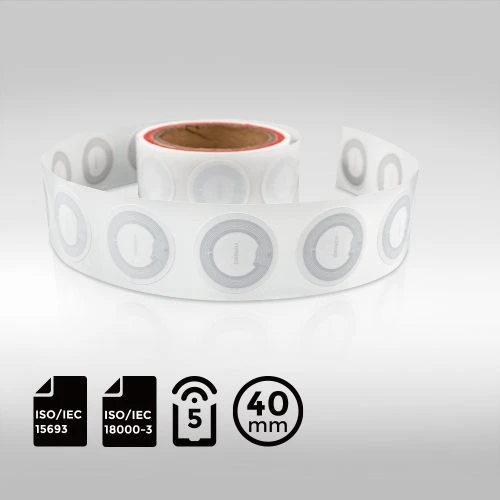
CD Type RFID Label ⌀40mm NXP ICODE® SLIX | ISO15693 NFC type 5

Experience seamless CD management in libraries like never before with our CD Type RFID Label featuring NXP ICODE® SLIX technology. Designed to ISO15693 and NFC Type 5 standards, this label boasts an outer diameter of ⌀40mm and an inner diameter of ⌀16mm, perfectly fitting your CDs. Optimize your library’s inventory tracking and enable quick, efficient check-outs with this specialized RFID solution.



