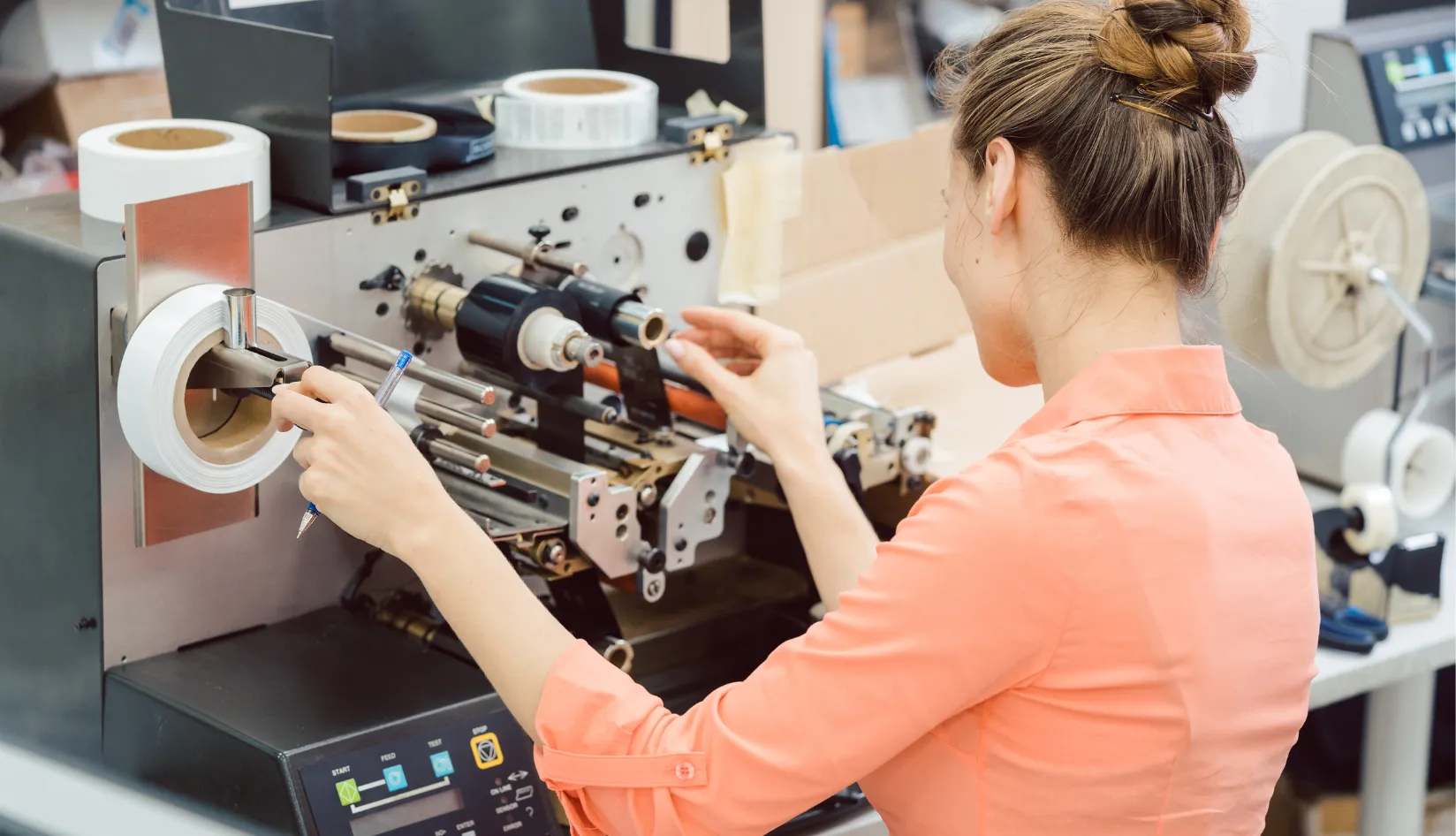
In the world of FMCG manufacturing, speed and accuracy are two critical elements that determine a company’s efficiency and profitability. Balancing both can be a challenge, but with the advent of RFID technology, manufacturers now have a powerful tool to streamline operations and improve both speed and accuracy. In this article, we’ll explore how RFID solutions can address the challenges of FMCG manufacturing and optimize processes to deliver faster and more accurate results.
Understanding FMCG Manufacturing: A Quick Overview
FMCG, or Fast-Moving Consumer Goods, refers to products that are sold quickly and at relatively low cost. These products include food and beverages, toiletries, and other consumables that are in constant demand. The FMCG manufacturing process needs to be highly efficient, as it involves large-scale production with a focus on minimizing costs while ensuring quality.
The Growing Need for Speed and Accuracy in FMCG Manufacturing
As the FMCG sector continues to grow, so does the demand for faster production times and more precise operations. Consumers expect quick availability of products on store shelves, which pushes manufacturers to increase output without compromising quality.
Speed ensures that products are manufactured, packaged, and shipped efficiently, reducing lead times.
Accuracy ensures that products meet high-quality standards and that inventory is precisely tracked.
In FMCG manufacturing, managing both elements is essential for staying competitive and meeting customer demands.
The Role of RFID in FMCG Manufacturing
Radio Frequency Identification (RFID) technology is rapidly transforming the way FMCG manufacturers operate. By embedding RFID tags in products, packaging, or pallets, manufacturers can track items throughout the entire supply chain with high precision and in real time.
What is RFID Technology?
RFID uses electromagnetic fields to automatically identify and track tags attached to objects. These tags contain electronic information that can be read by a scanner. RFID technology allows manufacturers to collect data efficiently and reduce human errors.
Passive RFID tags are used for tracking inventory without requiring a power source.
Active RFID tags can be used for real-time tracking with an internal battery for longer range.
RFID’s ability to streamline tracking and data collection directly impacts FMCG manufacturing speed and accuracy.

How RFID Optimizes Speed in FMCG Manufacturing
In FMCG manufacturing, speed is paramount. RFID technology enhances production efficiency by automating various processes that were previously done manually.
Automated Inventory Management
RFID allows manufacturers to track products as they move through different stages of production. This automation reduces the time spent on inventory management, ensuring that raw materials, work-in-progress, and finished goods are accurately tracked in real-time. With RFID, manufacturers can:
Monitor stock levels without manual counting.
Minimize stockouts by providing real-time data on available inventory.
Speed up replenishment cycles by automating orders based on demand.
Faster Quality Control Processes
By integrating RFID into the quality control processes, FMCG manufacturers can quickly access detailed product information, such as production date, batch number, and manufacturing conditions. This allows quality control personnel to ensure that products meet strict standards in a fraction of the time it would take using traditional methods.
How RFID Improves Accuracy in FMCG Manufacturing
While speed is crucial, accuracy in FMCG manufacturing is just as important. Incorrect labeling, poor inventory management, or shipping errors can result in significant losses and customer dissatisfaction. Here’s how RFID technology enhances accuracy:
Real-Time Data Collection
RFID provides real-time tracking data, ensuring that information is always up-to-date. This eliminates human error in data entry and improves the accuracy of:
Inventory counts: RFID reduces discrepancies between actual stock and recorded inventory levels.
Production data: RFID ensures that manufacturing data is captured accurately and in real-time, reducing the risk of mistakes.
Enhanced Product Traceability
RFID allows for end-to-end traceability of products throughout the FMCG manufacturing process. Manufacturers can track each product from raw materials to finished goods, ensuring that every item is properly accounted for. This enhanced traceability also helps with:
Regulatory compliance: RFID makes it easier for manufacturers to provide proof of sourcing and production practices.
Recall management: If there’s a need for a product recall, RFID technology helps manufacturers identify and retrieve affected items quickly and accurately.

The Impact of RFID on Supply Chain Efficiency
Supply chain management is a critical aspect of FMCG manufacturing. With RFID, manufacturers can significantly enhance the efficiency of their supply chains, which directly impacts both speed and accuracy.
Real-Time Tracking of Products
RFID allows manufacturers to track products in real-time as they move through the supply chain. Whether it’s raw materials being delivered to the production facility or finished products being shipped to retail, RFID provides accurate data at every stage. This level of visibility allows:
Better demand forecasting: RFID ensures that manufacturers have a precise view of their inventory levels, allowing them to better predict demand and adjust production accordingly.
Faster deliveries: With RFID-enabled logistics, manufacturers can optimize delivery routes and reduce transit times, speeding up time-to-market.
Reducing Manual Processes and Human Error
Manual processes in FMCG manufacturing often lead to delays and errors. RFID automates many tasks, from inventory management to product scanning during shipping, reducing the likelihood of human mistakes. This not only speeds up the process but also ensures that data is accurate and up-to-date.
Conclusion: Why RFID is Essential for FMCG Manufacturing
In FMCG manufacturing, the ability to balance speed and accuracy is crucial. RFID technology enables manufacturers to achieve both by automating key processes, enhancing product traceability, and providing real-time data that ensures operational efficiency. Whether it’s speeding up inventory management, improving quality control, or optimizing the supply chain, RFID solutions provide the tools needed to stay competitive in today’s fast-paced market.
For manufacturers looking to streamline their operations and improve both speed and accuracy, RFIDLabel offers a range of RFID products designed to meet the unique needs of FMCG manufacturing. Visit rfidlabel.com to learn more about how our RFID tags and solutions can help your business achieve greater efficiency.