


RFID Tariffs can significantly impact the cost and logistics of importing RFID labels and tags. For businesses worldwide, understanding these duties is crucial for effective procurement and maintaining a competitive edge. This article provides a detailed, practical guide to calculating import tariffs for RFID products from China into key global markets, including the United States, United Kingdom, Canada, Germany, Mexico, and Brazil.
Understanding RFID Tariffs: A Global Perspective
Import tariffs are taxes levied on imported goods, and RFID products are no exception. These tariffs can vary widely based on the country of import, the specific type of RFID product, and prevailing trade policies. For importers, a clear understanding of these regulations is paramount to avoid unexpected costs and delays.
The Harmonized System (HS) Code for RFID Products
Before calculating any tariffs, identifying the correct Harmonized System (HS) code for your RFID products is essential. The HS code is an internationally standardized system of names and numbers to classify traded products. For RFID tags and labels, common HS codes typically fall under Chapter 85, specifically related to electrical machinery and equipment. For many RFID tags and smart cards, the HS code 8523.52.00 is frequently used, classifying them as “Smart cards.”

Calculating Tariffs for Importing RFID Labels from China to the United States
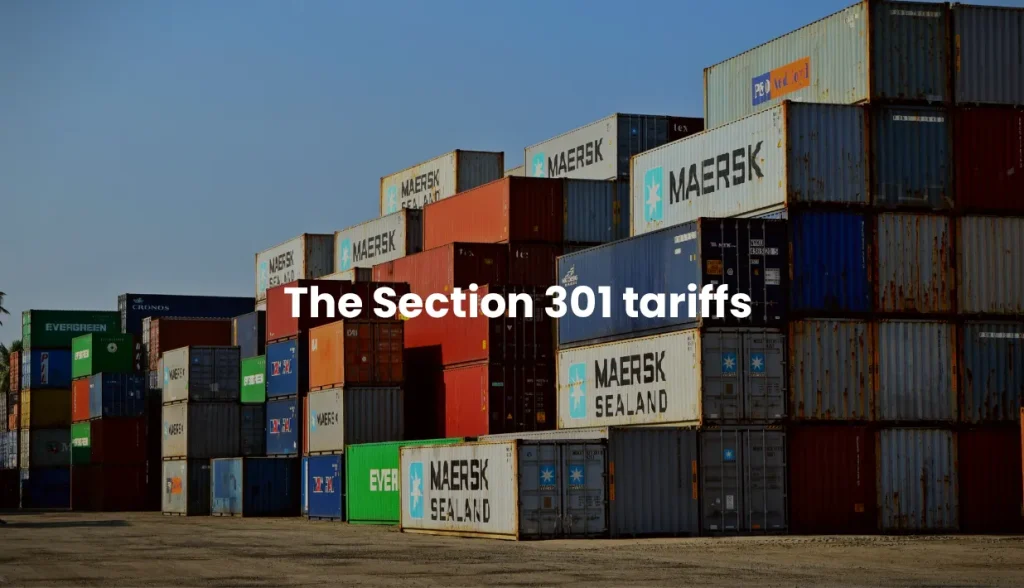
When importing RFID labels from China to the United States, several factors come into play, most notably the Section 301 tariffs. Since 2018, many U.S. imports of smart cards from China have been subject to an additional 25 percent Section 301 tariff under HTS 9903.88.03 . This is in addition to the normal duty rates.
Example Calculation: US RFID Tariffs Calculation
Let’s consider an example for importing RFID labels (HS 8523.52.00) from China to the U.S.:
- Product Value (FOB): $10,000
- Standard Duty Rate (HTSUS 8523.52.00): Free (often the case for this specific HTSUS code, but always verify with the latest HTSUS)
- Section 301 Tariff (HTS 9903.88.03): 25%
Calculation:
- Standard Duty: $10,000 * 0% = $0
- Section 301 Duty: $10,000 * 25% = $2,500
- Total US RFID Tariffs: $0 + $2,500 = $2,500
Import Tariffs for RFID Labels from China to Other Key Markets
While the focus on US RFID Tariffs is prominent, it’s vital to understand the tariff landscape in other major importing regions.
United Kingdom
Importers bringing RFID labels from China to the UK will need to consult the UK Global Tariff (UKGT). Post-Brexit, the UK has its own tariff schedule. For products classified under HS 8523.52.00, the standard Most Favoured Nation (MFN) tariff rate typically applies, unless a specific trade agreement reduces or eliminates it. As of current information, many electronic components, including RFID tags, may have varying rates, often in the low single digits or even 0% for certain classifications, but specific verification via the UK government’s trade tariff tool is always recommended.
Canada
Canada applies its own tariff rates to imports from China. While some goods may be subject to MFN tariffs, others might benefit from preferential tariffs under various trade agreements. For RFID labels (HS 8523.52.00), importers should check the Canadian Border Services Agency (CBSA) tariff schedule. Historically, Canada has also implemented retaliatory tariffs in response to trade disputes, which could affect certain product categories.
Germany (European Union)
As a member of the European Union, Germany adheres to the EU Common Customs Tariff (CCT). Imports from China are generally subject to MFN rates. For HS 8523.52.00, the EU tariff rate is often 0% or very low, reflecting the EU’s broader trade policies for certain electronic components. However, specific VAT (Value Added Tax) and other charges will apply upon entry into Germany.
Mexico
Mexico’s import tariffs from China can be influenced by its own trade agreements and domestic policies. For RFID products, importers must consult Mexico’s General Import and Export Duties Law (TIGIE). While some products may have low or zero tariffs, others could face higher duties, particularly if they compete with domestic industries or are part of broader trade policy measures. Mexico has also been involved in trade disputes that could lead to specific tariffs on Chinese goods.
Brazil
Brazil generally has higher import tariffs compared to many developed economies, aiming to protect domestic industries. Importing RFID labels from China into Brazil would typically involve the Common External Tariff (CET) of Mercosur, to which Brazil is a member. For electronic components, these rates can be substantial, often ranging from 10% to 20% or more, depending on the exact classification and any specific exemptions or agreements.

Strategies for Navigating Global RFID Tariffs
- Accurate HS Code Classification: Ensure your products are correctly classified to avoid overpaying or facing penalties.
- Stay Updated on Trade Policies: Tariffs, including US RFID Tariffs, can change frequently due to evolving trade relations.
- Utilize Free Trade Agreements: Explore if any free trade agreements between China and the importing country can reduce or eliminate duties.
- Work with Experienced Customs Brokers: Professional brokers can help navigate complex regulations and ensure compliance.

Conclusion
Understanding and accurately calculating import tariffs for RFID labels from China is a critical aspect of international trade. By staying informed and leveraging expert guidance, businesses can optimize their supply chains and ensure cost-effective delivery of high-quality RFID products.
We at RFIDLabel are committed to helping our global partners navigate the complexities of international trade. For more detailed information on RFID products, custom solutions, or assistance with procurement, please visit rfidlabel.com.
FAQs
1. How do I find the most current HS code for my specific RFID product?
The most reliable way is to consult the official customs website of the importing country (e.g., U.S. Harmonized Tariff Schedule, UK Global Tariff, EU TARIC database). You can search by product description or existing HS codes to find the most accurate classification. Consulting with a customs broker is also highly recommended.
2. Besides tariffs, what other costs should I consider when importing RFID labels from China?
Beyond tariffs, importers should account for shipping costs (freight), insurance, customs clearance fees, warehousing, local transportation, and Value Added Tax (VAT) or Goods and Services Tax (GST) in the destination country. For certain products, anti-dumping duties or countervailing duties might also apply.
Recommended Product
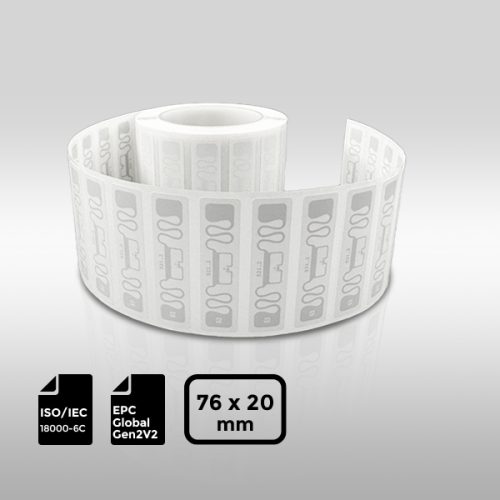
Avery Dennison® ARC Certified Belt NXP UCODE® 9 Coated Paper RFID Label AD-Belt-U9

Retailers can use this ARC-certified RFID label to record apparel merchandise information and prevent brand counterfeiting efficiently. The embedded RFID chip transmits data to back-end systems for analysis and storage. Compliant with EPCglobal Gen2v2 and ISO/IEC 18000-6C, it is designed for apparel, retail, and industrial applications such as supply chain management, home goods tracking, and brand protection, supporting smooth operations in large retail channels like Dillard’s.
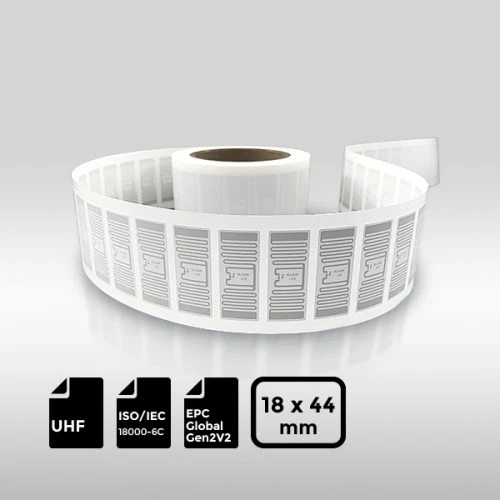
ARC Certified Impinj® M730 Coated Paper RFID Label 44x18mm
This ARC-certified RFID tag for Walmart is designed for clothing retail, supply chain management, and brand protection. Fully compliant with ISO/IEC 18000-6C and EPCglobal Gen2v2 standards, it delivers stable performance and accurate tracking. Passing the ARC certification tests, the label ensures quality and reliability in large-scale retail operations. Ideal for use in retail chains such as Walmart and Dillard’s, it helps streamline inventory management, improve supply chain visibility, and maintain brand integrity.
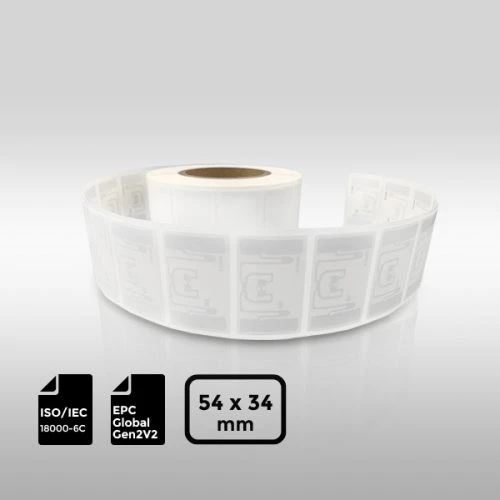
Avery Dennison® ARC Certified 387 NXP UCODE® 9 Coated Paper RFID Label AD-387-U9
Retailers can use this ARC-certified RFID label for Dillard’s to efficiently record clothing item information and prevent brand counterfeiting. Embedded with a high-performance RFID chip, the data can be read by RFID readers and transmitted to backend systems for analysis and storage. Compliant with EPCglobal Gen2v2 and ISO/IEC 18000-6C standards, it is specially designed for apparel, retail, and logistics, and widely applied in supply chain management, inventory control, and brand protection, supporting integration into large retail chains.



