
Reusable Smart Cups are becoming an important solution for companies looking to reduce waste and support sustainable consumption. Large corporations are now taking more serious action to help the environmental movement. Previously, we have seen admirable breakthroughs, such as Adidas making sneakers from ocean waste and Gloria Jean’s switching to paper straws in all of its stores.
McDonald’s and Starbucks, two firms that compete in the takeaway market, are now joining forces to combat packaging waste. Starbucks has revealed that it has begun collaborating on this project with Closed Loop Partners, of which it is a founding member.
RFID with Reusable Smart Cups
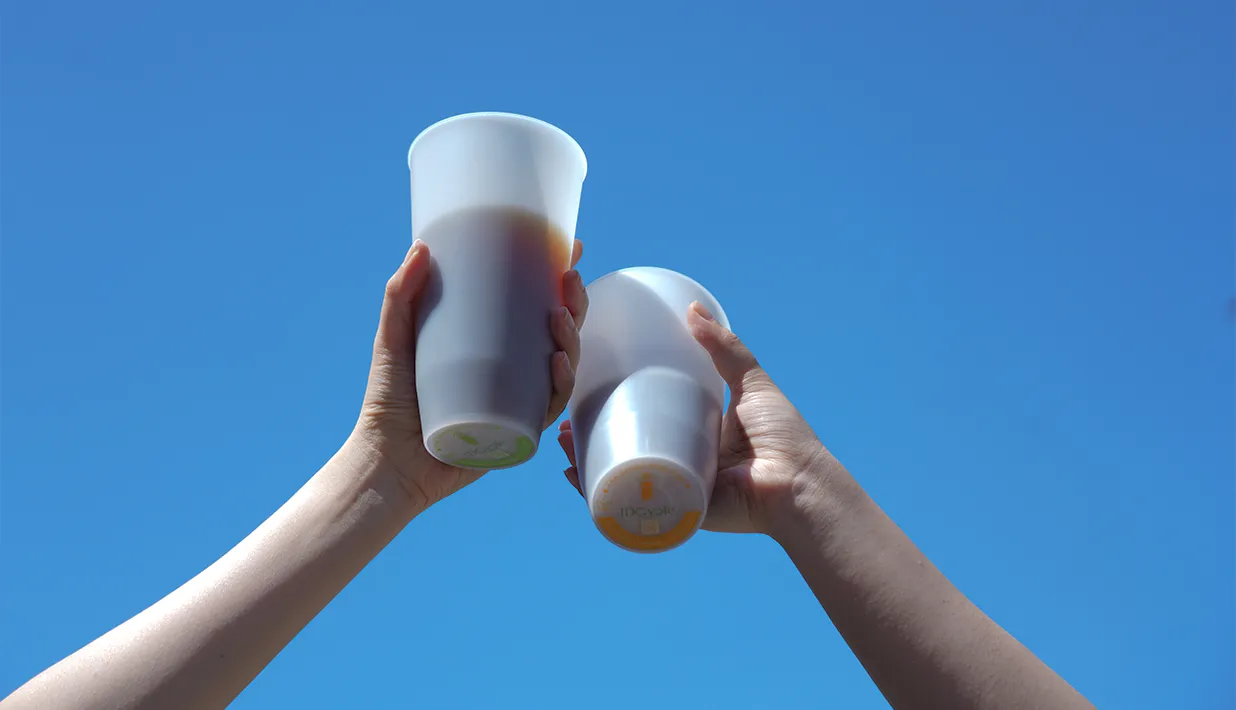
McDonalds and Starbucks will be implementing a pilot project in a number of coffee places in San Francisco and Palo Alto using smart reusable cups. The cups are made of plastic, but they arrive with RFID chips and QR codes to be registered. While the flaws for this complicated effort are still being worked out, cup drop-off sites will be conveniently placed across town and within public buildings, and information will be gathered to make this as smooth a transfer as possible.
The Process Is Running as Follows
Consumers who choose a reusable coffee cup through the Loop system pay a small deposit in addition to the coffee price. This deposit encourages customers to return the cup after use and helps create a more efficient circular packaging system. If customers finish their drinks at the store, they can return the cup to a designated collection point and receive their deposit back. For customers who take their drinks away, they can return the cup during their next visit or place it at another Loop collection location when convenient.
After collection, the reusable cups are transported to professional cleaning facilities operated by Loop partners. Each cup goes through a strict cleaning and sanitization process, including inspection, washing, sterilization, and hygienic sealing, to ensure that it meets safety and quality requirements before being returned to participating restaurants and cafes.
Unlike traditional disposable packaging, reusable cup systems require effective tracking and management throughout the entire lifecycle of each cup. Businesses need to understand where cups are located, how often they are used, and when they need to be cleaned or replaced. Digital technologies such as RFID can provide better visibility into cup circulation by enabling automated identification and real time tracking.
At the same time, Loop continues expanding its reusable packaging network by partnering with different food service companies, retailers, and cleaning providers. By combining reusable products, efficient logistics, and smart tracking technologies, Loop aims to create a scalable solution that reduces waste while supporting more sustainable consumption models.
What Is the Future of Reusable Smart Cups?
The future of reusable cups depends on whether businesses can successfully create an efficient and scalable circular cup system. Pilot projects such as CupClub and smart cup programs provide valuable insights into how reusable packaging can be integrated into everyday consumer experiences.
The CupClub pilot started at Palo Alto Verve Coffee, Coupa Cafe, and Stanford Campus, while cafés in San Francisco using Muse cups are expected to be announced in the future. These programs aim to test how reusable cups can be collected, tracked, cleaned, and redistributed through a more sustainable operating model.
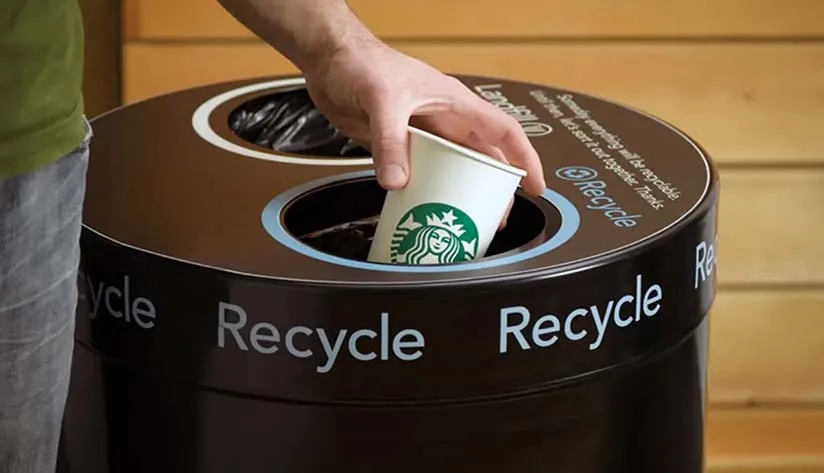
If these pilot projects prove successful, Starbucks and McDonald’s may expand reusable cup programs on a much larger scale. This could significantly reduce the billions of disposable cups used by these companies every year, many of which currently end up in landfills.
However, large scale reusable cup adoption requires more than simply replacing disposable cups with reusable alternatives. Companies need effective systems to manage cup circulation, monitor usage frequency, track returns, and maintain product availability. Technologies such as RFID can provide greater visibility into reusable cup lifecycle management by enabling automatic identification and real time tracking.
With RFID enabled reusable cups, businesses can better understand customer usage patterns, improve collection efficiency, and optimize inventory management. As sustainability initiatives continue to grow, the combination of reusable packaging and digital tracking technologies is expected to become an important part of future circular economy solutions.
Conclusion
The adoption of RFID technology in reusable smart cups demonstrates how connected solutions can support sustainability goals while improving tracking, management, and customer engagement. As more businesses explore reusable packaging models, RFID will continue to play an important role in enabling smarter and more efficient circular systems.
For more RFID solutions, product information, and industry insights, visit rfidlabel.com to explore customized RFID labels and technologies designed for your applications.
Recommended Product