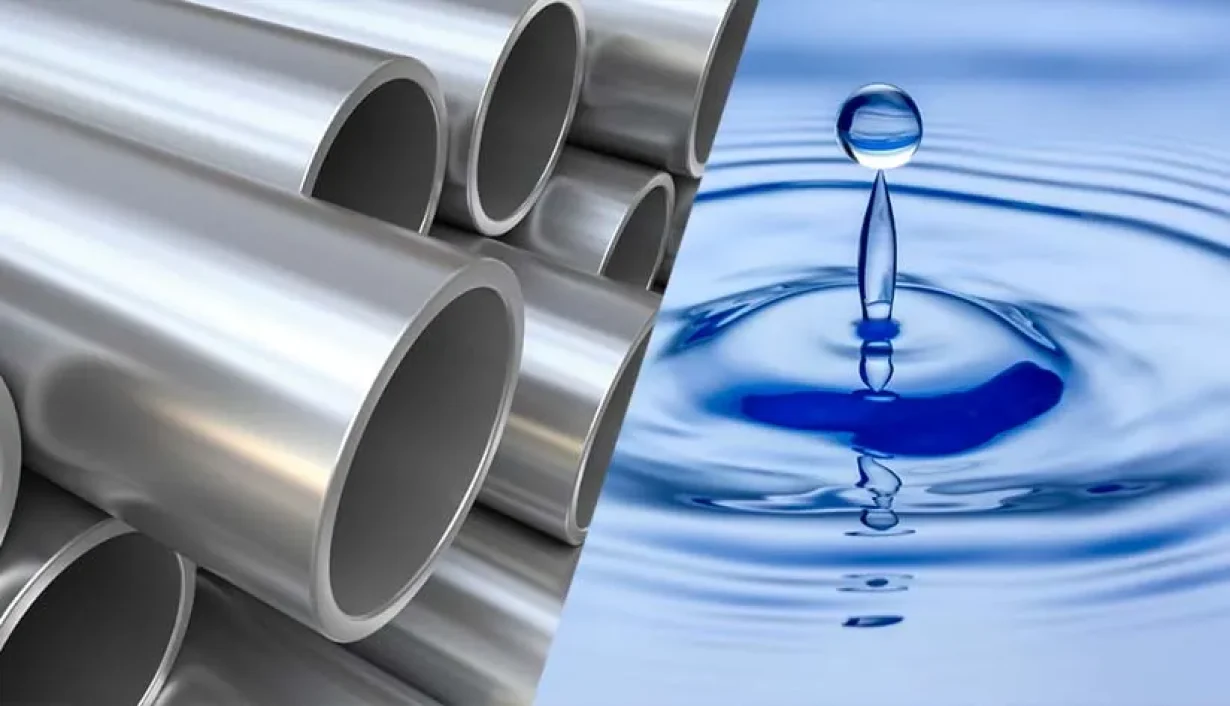

RFID technology is widely used in the modern logistics, retail and item-tracking industries. RFID labels are efficient and accurate, but they can be affected by environmental factors in actual use, especially interference from metals and liquids. Today, we will take an in-depth look at how RFID labels perform in metal and liquid environments, analyze how these materials affect RFID label performance, and provide solutions to these challenges.
Compatibility of RFID technology with different environments
To ensure that RFID labels work consistently in a given environment, the interaction between the label and the environment must be considered. For metallic and liquid environments, simply using traditional RFID labels often fails to achieve the desired results. Let’s explore key factors further to help understand how RFID labels operate in these environments.
1. Signal Propagation and Reflection
RFID signals propagate through radio waves. When these waves encounter different materials, their propagation path, strength and reflection patterns change. On metal surfaces, the signal will not only be reflected to the reader but may also be reflected multiple times, which makes the RFID system unable to accurately read the label data. Similarly, liquids can cause absorption of the signal, especially water, which has a conductivity close to the frequency of the RFID signal, leading to signal attenuation.
2. Label Antenna and Material Characteristics
The antenna of an RFID label is a critical part of its performance. Interference from metals and liquids often directly affects the efficiency of the label antenna. For example, RFID labels placed on metal surfaces, their antennas may not work properly, resulting in incomplete signal reception or data loss. As for liquids, especially water containing high salt content, the electromagnetic field of the label antenna will also be absorbed or deflected, thus reducing the accuracy of the read.
3. Sensitivity of different frequency bands to interference
The operating frequency band of the RFID system directly determines the performance of the label. In metal and liquid environments, RFID labels in different frequency bands perform differently:
Low-frequency (LF) RFID: low-frequency labels on metal and liquid interference are small, but their reading distance is shorter, and suitable for proximity applications.
High-frequency (HF) RFID: High-frequency labels are usually better adapted to metal interference, but have limited tolerance for liquids.
Ultra-high frequency (UHF) RFID: UHF labels have a longer read range, but they are more sensitive to metals and liquids and may be greatly affected, especially without proper protection.

RFID Labels Work in Metal and Liquid Environments
1. Working principle of RFID labels in metallic environments
The working principle of RFID labels in metallic environments is mainly affected by the reflected and absorbed signals from the metal. Different types of metals have different degrees of influence on how RFID labels work. Specifically, metal can affect RFID signals in the following ways:
Signal Reflection: When an RFID signal hits a metal surface, it is reflected back instead of being passed directly to the label. This can prevent the reader from receiving the signal returned by the label, thus affecting the label’s recognition rate.
Signal shielding: Metal materials have a strong electromagnetic shielding effect. RFID label signals on the metal surface will be absorbed or interfered with, resulting in the reader’s inability to read the label effectively.
Multi-path effect: in the metal environment, signal reflection may lead to the formation of multiple signal paths, so that the signal arrives at the reader to increase the time delay, which will lead to reading failure.
2. How RFID labels work in liquid environments
The effect of liquids on RFID signals, mainly in the signal absorption and attenuation. Water and other liquids (such as oil, chemical solutions, etc.) will absorb or scatter RFID signals, resulting in shortening the effective distance of signal transmission, or even completely unable to receive the signal.
The main mechanisms by which liquids affect RFID labels are as follows:
Electromagnetic wave absorption: liquid, especially water, in a certain frequency range, has a strong electromagnetic wave absorption ability. RFID signals through the liquid, energy loss will occur, resulting in signal attenuation. This makes the identification distance of the tag substantially shortened.
Signal Scattering: Liquid in the high-frequency signal propagation process, may cause signal scattering, especially in the presence of bubbles or uneven structure of the liquid, the scattering effect will be more significant.
Conductivity: liquids with high water content tend to have strong conductivity, making it easier for RFID signals to be “sucked away” when passing through the liquid, reducing the quality of signal transmission.
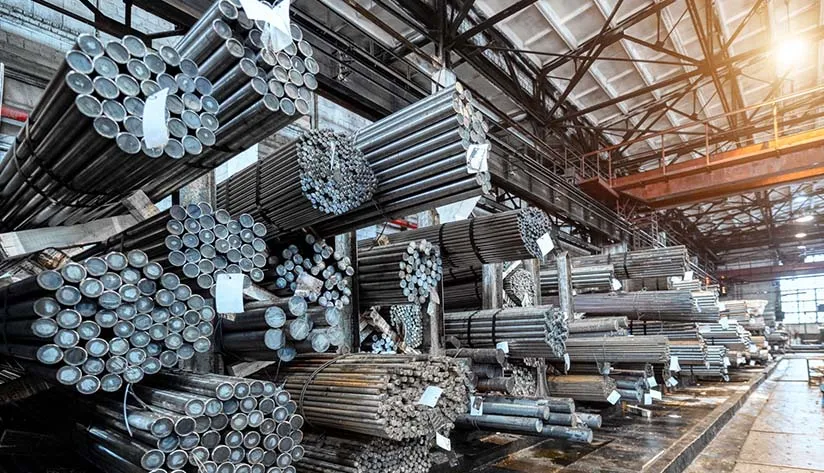
In-Depth Analysis: Metal and Liquid Interference Mechanisms for RFID Signals
1. Analysis of the impact of metals on RFID
The interference mechanism of metal materials on RFID tags is relatively complex, mainly due to its strong conductivity, which can effectively shield or reflect RF signals. The conductivity of the metal makes the RFID signal can not effectively penetrate, thus affecting the recognition rate of the label.
Influencing factors:
Metal type: different metals have different degrees of influence on RFID signals. For example, copper and aluminium on the RFID signal shielding effect are stronger, especially in the high-frequency band (UHF). Materials such as iron and steel, on the other hand, are more reflective of signals.
Metal form: The form of the metal also affects the reflection of the signal. Flat metal surfaces will produce a stronger reflection, while irregular metal surfaces (such as rusted or undulating surfaces) will make the signal reflected at different angles, making it more difficult for the reader to receive.
Label and metal distance: the distance of the label from the metal is also an important factor. The closer the distance, the greater the interference of metal on the RFID signal. Especially when the label is directly attached to the metal surface, the signal is almost impossible to penetrate.
| Metal material | Influence on RFID performance | Explanation |
| Steel | Extreme interference | Steel strongly emits RFID signals, resulting in a shortened read range |
| Aluminum | Strong interference | Aluminum reflects RFID signals and has a significant impact on the label’s read range. |
| Copper | Extreme interference | Copper strongly absorbs RFID signals and is almost impossible to read. |
Solution Strategy:
Use RFID labels that are suitable for metal: For example, use “metal-resistant RFID labels” or “metal-specific labels”, which are designed to effectively reduce the interference of metal on RFID signals. They usually use a special antenna structure or a shielding layer on the label so that it can work properly in a metal environment.
Application of isolation materials: adding a layer of insulation or isolation materials (such as foam or plastic) between RFID labels and metal can effectively avoid direct contact between metal and RFID labels, thus reducing signal interference.
2. Analysis of the impact of liquids on RFID
The impact of the liquid environment on RFID labels is usually manifested as signal attenuation. The dielectric nature of the liquid makes it an obstacle to RFID signals, especially when the liquid fills the entire label or obscures the label, the quality of signal transmission will be greatly affected.
Influencing factors:
Type and properties of the liquid: Different liquids have different electrical conductivity. Water molecules that contain polarity, and strong conductivity, will have a greater absorption effect on RFID signals. The effect of oil and certain chemical liquids is relatively small.
Temperature of the liquid: The temperature also affects its conductivity. Higher-temperature liquids tend to have higher conductivity and therefore more severe signal attenuation.
Thickness of the liquid: The greater the thickness of the liquid layer, the more significant the attenuation of the RFID signal. If the RFID label is completely covered by the liquid, the signal can barely pass through.
| Liquid material | Influence on RFID performance | Explanation |
| Water | Extreme interference | Strong absorption of RFID signals by water, significantly shortening the reading distance |
| Oils | Medium interference | The effect of oil liquids on RFID signals is slightly weaker than water, but there is also interference. |
| Chemical solutions | Strong interference | Chemical solutions containing metal ions have strong interference with RFID signals. |
Solution Strategy:
Use liquid-adapted RFID labels: Choose labels designed for liquid environments, such as labels treated with special encapsulation and coatings that can prevent liquids from coming into direct contact with the label, thus reducing interference.
Increase the label reading power: Increasing the power of the reader can effectively increase the reading distance of the label to overcome the signal attenuation caused by liquids.
Optimize the installation location: try to avoid the label completely buried in the liquid, you can choose to fix the label in the liquid container on the outside or through a special sensor to monitor the liquid.
Further solutions and technological breakthroughs
To effectively deal with metal and liquid interference, the RFID industry has developed a variety of solutions. The following are some of the more advanced technological breakthroughs and approaches that have helped improve the performance of RFID labels in these environments.
1. Metal-Proof RFID Labels
The problem of metal interference with RFID labels has always been a problem for industry, but many technological solutions can effectively mitigate this interference:
Metal-shielded labels: These labels use special shielding materials to prevent RFID signals from being reflected or absorbed by metal surfaces. The shielding layer is usually made of copper, aluminium or other metal materials, which can effectively isolate the label and metal signal interference.
Dual-frequency labels: These labels combine the advantages of the HF and UHF bands, able to work in a metal environment to switch bands, thereby improving the stability of signal reception.
2. Liquid-adapted labels
RFID label technology for liquid environments has developed a variety of anti-jamming solutions:
Waterproof labels: These labels use special packaging technology to ensure that even in water or oil immersion, the label signal can still be effectively transmitted. These labels are commonly used in cold chain logistics and for tracking liquid products.
Moisture-Resistant labels: By adding a moisture-resistant layer, RFID labels can work stably in high humidity or liquid environments. The moisture-proof layer prevents moisture from directly contacting the label’s chip and antenna and reduces the absorption of moisture into the signal.
3. Signal-enhancing RFID readers
In addition to improvements in the labels themselves, RFID reader technology is constantly evolving to improve readability in metallic and liquid environments. Specific technologies include:
High-power readers: by increasing the transmit power of the RFID reader, the signal can penetrate metal or liquid barriers, extending the effective reading range.
Multi-antenna systems: RFID systems can reduce interference in metal and liquid environments by receiving signals at different angles, allowing for more accurate reads.

Conclusion
The impact of metals and liquids on RFID performance is a challenge that cannot be ignored in practical applications, but these problems can be effectively solved by choosing the right RFID labels, adjusting the installation location, optimizing the power of the device, etc. The application of RFID technology in many industries, especially in complex environments, still has great potential and market demand.
RFIDLabel company meets the needs of different environments, by providing a variety of customized RFID labels and solutions, whether it is a metal environment or liquid environment, we can provide efficient and accurate tracking solutions. If you need to use RFID technology in metal or liquid environments or have any questions, please contact us.