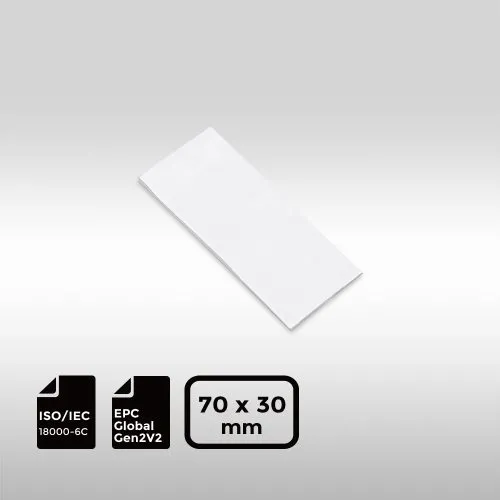
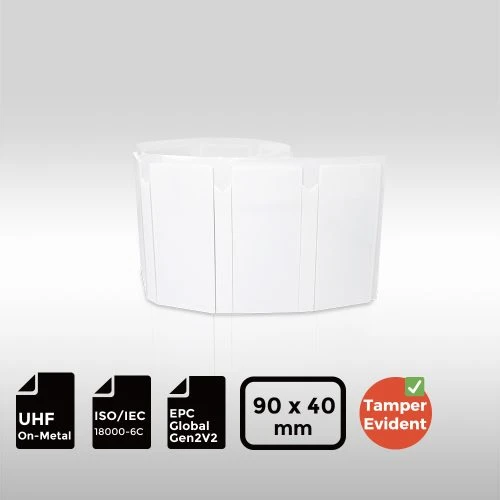
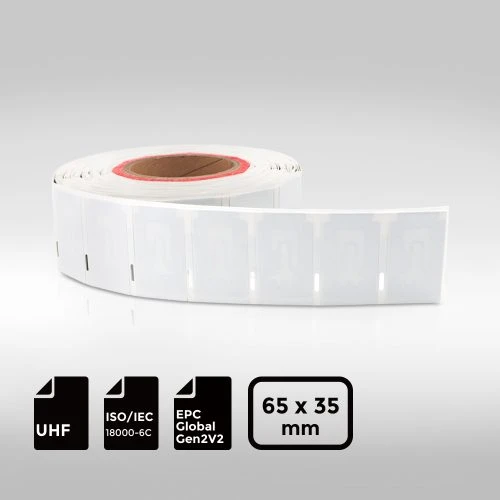
RFID Tags For Inventory are becoming a practical solution for small and medium-sized businesses that need better stock accuracy without investing in unnecessarily complex automation systems. However, choosing RFID is not simply a matter of replacing barcode labels with RFID tags. A successful RFID project requires businesses to understand their actual inventory problems, identify suitable applications, and select the right RFID tag design for their operating environment.
Many Small and Medium Businesses do not struggle with inventory management because they lack software or employees. The real challenge is that inventory information becomes difficult to trust as operations grow.
A company may have an ERP system, spreadsheets, or barcode processes, but still face situations where:
- the system shows available stock that cannot be found physically;
- employees spend too much time searching for products;
- inventory counting interrupts daily operations;
- purchasing decisions are made based on inaccurate stock data.
For Small and Medium Businesses, improving inventory accuracy is not only a warehouse issue. It directly affects customer satisfaction, cash flow, purchasing efficiency, and business growth.
Why Inventory Data Becomes Unreliable as Small and Medium Businesses Grow
In the early stages of a business, inventory management is usually simple. A small team may handle receiving, storage, picking, and counting without major difficulties.
However, as product categories increase, inventory processes become more complicated.
Common challenges include:
| Inventory Challenge | Business Impact |
| Increasing SKU numbers | More time required for counting and searching |
| Frequent stock movement | Higher possibility of inventory discrepancies |
| Manual data updates | Delayed or inaccurate information |
| Limited warehouse staff | Difficult to perform regular stock checks |
| Multiple storage locations | Harder to maintain visibility |
The problem is often not that businesses have no inventory data. The problem is that the data cannot always represent the real situation.
This gap between system records and actual inventory is one of the main reasons Small and Medium Businesses begin considering RFID solutions.

When Does RFID Make Sense for Small and Medium Businesses?
Choosing RFID Tags For Inventory is not automatically the best choice for every business. A professional RFID project should begin by identifying whether inventory accuracy has become a real operational challenge.
A professional RFID project should begin with one question:
Which inventory problems are creating the biggest operational cost?
RFID is usually worth considering when Small and Medium Businesses experience the following situations.
1. Inventory Errors Affect Sales or Production
For businesses selling products or managing manufacturing materials, inaccurate inventory can create direct financial losses.
Examples include:
- promising customers products that are unavailable;
- purchasing additional stock because existing inventory cannot be located;
- delaying production because components cannot be found.
In these cases, improving inventory visibility can have a measurable business impact.
2. Manual Counting Takes Too Much Time
Many Small and Medium Businesses still rely on employees manually counting products or scanning barcodes one by one.
This approach may work when inventory volume is small.
However, as inventory grows, companies often face a difficult choice:
- spend more labor hours on counting;
- or accept lower inventory accuracy.
RFID provides another option by allowing multiple tagged items to be identified more efficiently.
3. Products Move Frequently
RFID creates more value when inventory movement is frequent.
Examples:
- warehouses receiving daily shipments;
- retailers managing fast-moving products;
- manufacturers tracking components between processes.
The more often products move, the greater the value of automatic identification.

Start With the Right Inventory, Not All Inventory
One of the biggest mistakes Small and Medium Businesses make when adopting RFID Tags For Inventory is trying to tag every product immediately.
A successful RFID project usually begins with the inventory categories that create the greatest business impact.
These may include:
High-Value Items
Products with higher value usually justify better tracking because inventory mistakes create larger financial losses.
Frequently Counted Items
If employees repeatedly spend time checking the same inventory categories, RFID may provide significant efficiency improvements.
Items With Frequent Inventory Differences
Products that are often misplaced, incorrectly recorded, or difficult to locate are strong candidates for RFID implementation.
Starting with a focused application allows Small and Medium Businesses to evaluate real results before expanding the system.
Choosing the Right RFID Tags For Inventory Applications
The right RFID Tags For Inventory should be selected according to product materials, reading requirements, and actual operating conditions rather than only the purchase price.
The correct RFID tag depends on:
- product material;
- storage environment;
- required reading distance;
- inventory workflow;
- durability requirements.
Consider the Material Being Tagged
Different surfaces affect RFID performance.
Paper Cartons and Packaging
Standard UHF RFID labels are commonly used for:
- cardboard boxes;
- retail products;
- general inventory items.
They provide a practical balance between performance and cost.
Metal Products and Equipment
Metal can interfere with RFID communication because it affects antenna performance.
For metal assets, businesses usually require specially designed on-metal RFID tags.
Products Exposed to Harsh Conditions
Outdoor or industrial applications may require RFID labels with stronger durability against:
- moisture;
- temperature changes;
- physical wear.

Consider Reading Requirements
A common misunderstanding is that longer reading distance is always better.
In reality, RFID performance should match the application.
For example:
- small inventory areas may not require long-range identification;
- warehouse pallet tracking may require UHF RFID solutions;
- asset tracking may prioritize durability over distance.
Common RFID Mistakes Small and Medium Businesses Should Avoid
Choosing Tags Only Based on Price
A low-cost RFID tag that performs poorly in the actual environment may increase project difficulties.
Tag selection should consider the total application value rather than the initial unit price.
Skipping Real-World Testing
RFID performance can change depending on:
- warehouse layout;
- product materials;
- tag placement;
- reader installation.
Testing under actual operating conditions is an important step before large-scale deployment.
Expecting RFID to Replace All Processes
RFID improves identification and inventory visibility, but it does not replace:
- warehouse management practices;
- employee workflows;
- inventory planning.
The best results happen when RFID technology supports existing business processes.

A Practical RFID Adoption Roadmap for Small and Medium Businesses
A realistic RFID implementation process can follow these steps:
Step 1: Identify the Main Inventory Challenge
Determine whether the biggest problem is:
- inaccurate records;
- slow counting;
- missing visibility;
- product tracking difficulty.
Step 2: Select a Suitable Pilot Application
Choose a specific inventory category instead of changing the entire operation immediately.
Step 3: Test RFID Tags For Inventory in Real Conditions
Evaluate:
- reading performance;
- employee workflow;
- operational improvements.
Step 4: Expand Based on Results
Use actual project experience to decide whether broader RFID adoption makes business sense.
How Small and Medium Businesses Should Choose RFID Labels More Effectively
Before purchasing RFID tags, businesses should consider these questions:
| Question | Why It Matters |
| What material is the product made of? | Determines suitable tag structure |
| How often are products counted? | Determines RFID value |
| How are products stored? | Affects reading performance |
| How far must items be identified? | Determines RFID requirements |
| Will RFID connect with existing systems? | Determines scalability |
A successful RFID project starts with understanding the application, not simply selecting a product.
For more guidance on RFID label selection, see:
Conclusion
RFID Tags For Inventory can help Small and Medium Businesses improve stock accuracy, reduce repetitive manual work, and create better inventory visibility. However, the success of an RFID project depends on more than purchasing RFID tags.
The most effective approach is to:
- identify the inventory problems that matter most;
- start with suitable applications;
- select RFID tags based on real operating conditions;
- expand gradually after testing.
For Small and Medium Businesses, RFID should not introduce unnecessary complexity. The goal is to build a more accurate, reliable, and scalable inventory management process that supports future business growth.
If you want to know more information about RFID tags, you can visit our official website (rfidlabel.com) to browse the information about RFID tag products. In addition, you can also use the contact information on the website to contact our sales experts, who will provide you with the most suitable solutions and the most professional purchasing advice according to your needs.
Recommended Product