In today’s increasingly complex healthcare landscape, hospital asset management faces unprecedented challenges. From infusion pumps to wheelchairs to expensive diagnostic equipment, real-time visibility of critical medical assets is considered fundamental to enhancing operational efficiency and ensuring patient safety. Traditional asset tracking methods, such as manual inventory counts and barcode scanning, are no longer sufficient to meet the precision and speed demands of modern healthcare environments due to their inherent limitations. Against this backdrop, RFID healthcare news—as an advanced automated identification solution—is being widely adopted in the medical field, fundamentally transforming the landscape of asset management.
The Pain Points of Hospital Asset Management

The high value and high mobility of medical equipment make asset “disconnect” a widespread and costly issue. The loss or misplacement of critical assets not only causes direct financial losses but can also delay emergency treatment, posing potential threats to patient safety. Industry reports indicate that hospitals incur significantly increased hidden costs annually in asset management due to low equipment utilization and duplicate purchases.
The primary drawbacks of traditional asset management models are summarized as follows:
Inefficiency: Healthcare professionals often spend valuable time searching for equipment scattered across different departments, diverting their attention from patient care.
Data Lags: Barcode systems require manual scanning and line-of-sight visibility, resulting in discrete, non-real-time updates to asset location information that fail to provide dynamic tracking.
Low inventory accuracy: Relying on manual counts, inventory accuracy typically hovers around 65%, leading to over-procurement or shortages of assets.
High operational costs: Low asset utilization forces hospitals into unnecessary equipment leasing or purchasing, resulting in wasted capital expenditures.
RFID: The Core Technology for Real-Time Visibility

Radio Frequency Identification (RFID) technology transmits data via radio waves. Its core advantage lies in enabling contactless and batch reading, thereby addressing fundamental shortcomings of traditional tracking methods.
An RFID system typically consists of three main components:
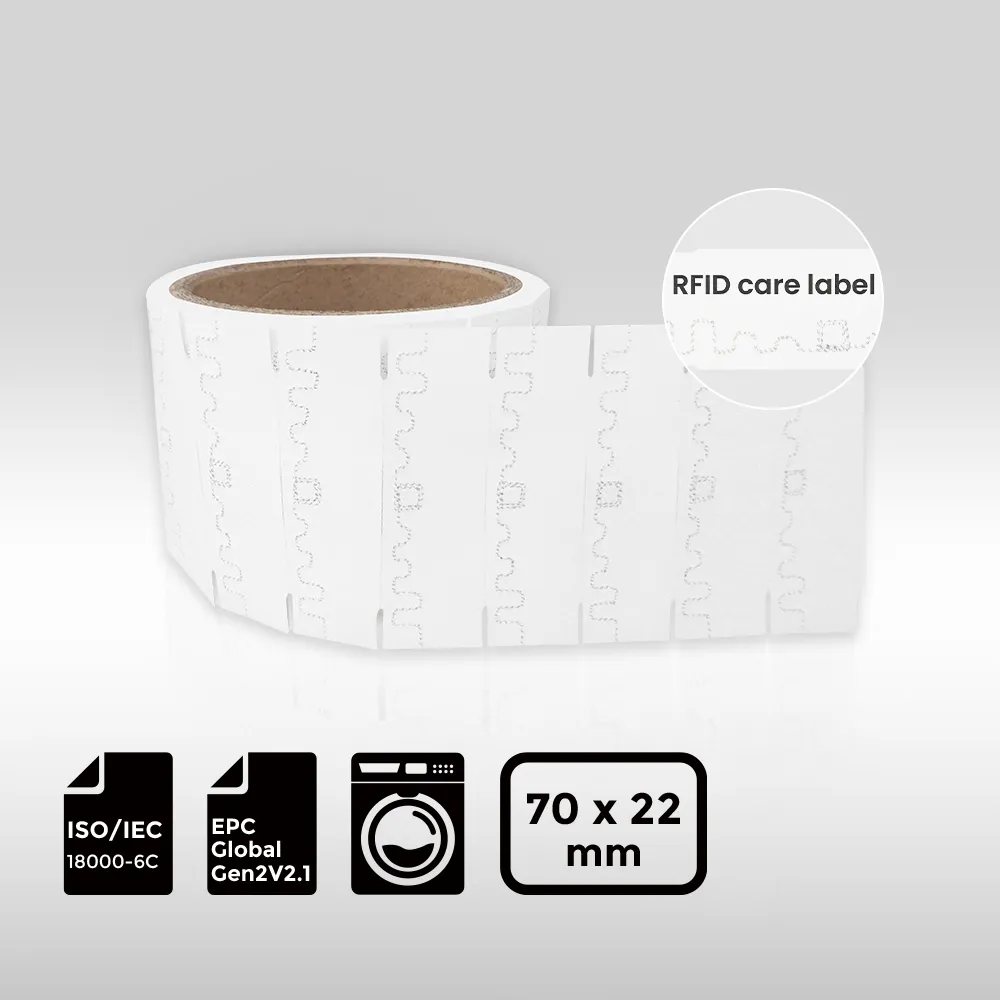
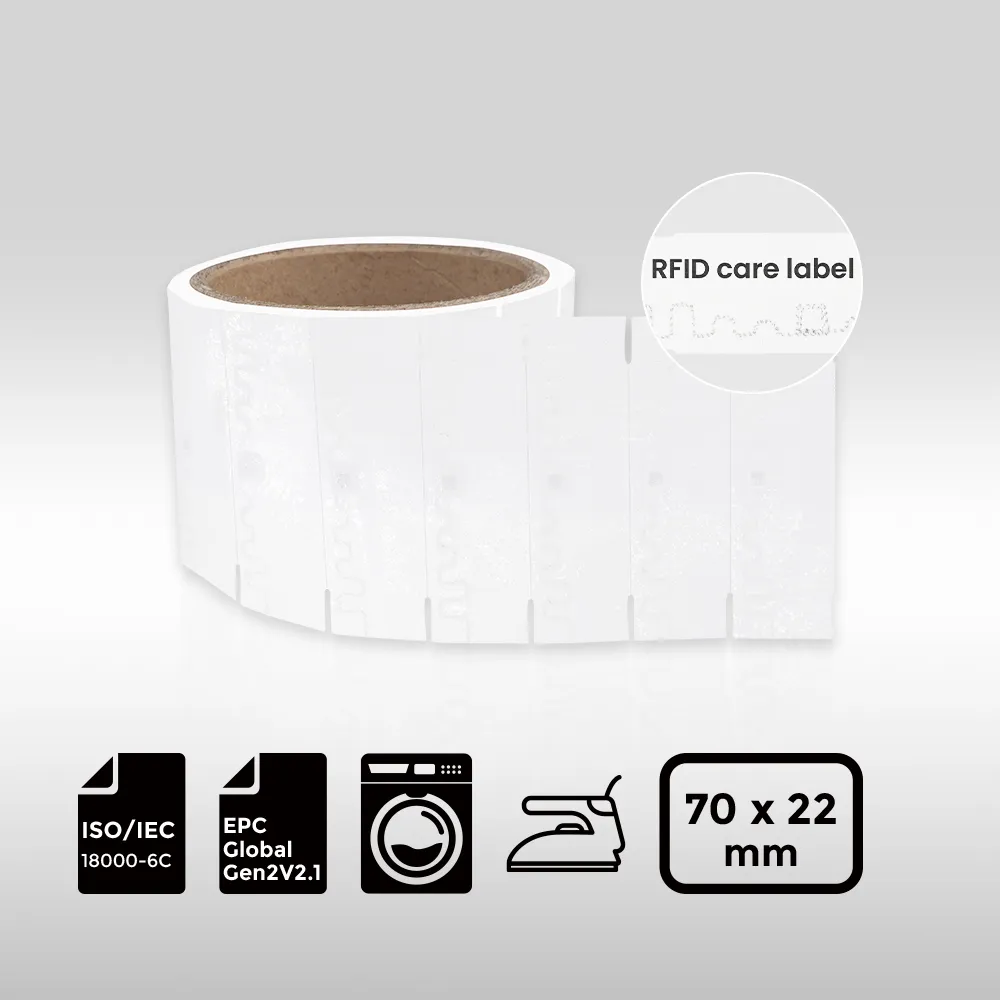
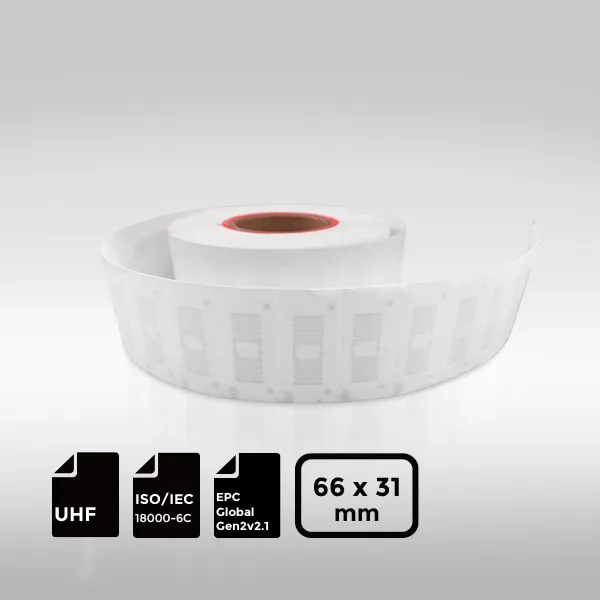
RFID Labels: Tiny electronic devices attached to assets, containing built-in chips and antennas for storing and transmitting data.
RFID readers: Deployed in critical areas such as ward entrances, storage rooms, or elevator lobbies to transmit radio signals and receive label responses.
Backend management system: Collects data transmitted by readers, calculates asset locations in real time, and provides visual interfaces and analytical reports.
By deploying a network of readers throughout the hospital, the location of critical medical equipment can be continuously tracked. When equipment is moved, its location information is automatically recorded in the system without any manual intervention. This real-time visibility transforms asset management from reactive response to proactive monitoring.
Key Advantages and Return on Investment Analysis

The advantages of RFID technology in hospital asset management are quantifiable and deliver significant return on investment (ROI).
Advantage Comparison: RFID vs. Barcodes
To clearly demonstrate RFID’s superiority, the following table compares RFID technology with traditional barcode technology:
| Characteristics | RFID Technology | Barcode Technology |
| Reading Method | Contactless, radio waves | Contact-based, optical scanning |
| Reading Speed | Extremely fast, supports batch reading (hundreds at once) | Slow, requires individual scanning |
| Line-of-Sight Requirement | None, labels can be hidden or obstructed | Yes, must be within direct line-of-sight |
| Data Storage | Labels store more data and are rewritable | Limited storage capacity, typically read-only |
| Environmental Tolerance | Excellent, withstands harsh conditions (humidity, high temperatures) | Poor, susceptible to wear or contamination |
| Automation Level | High, enables real-time, automated tracking | Low, relies on manual operation |
| Cost | Relatively high label cost | Extremely low label cost |
Significant Return on Investment (ROI)
The cost of deploying an RFID system is typically offset within a short period by improved operational efficiency.
Enhanced Equipment Utilization: Real-time tracking enables rapid identification and reallocation of idle equipment. Studies indicate that hospitals implementing RFID tracking can reduce equipment procurement by 20% to 30% by maximizing utilization of existing assets.
Reduced Equipment Loss: Real-time monitoring and exit detection significantly lower the risk of asset loss or theft.
Enhanced Nurse Satisfaction: Nurses spend more time on patient care rather than searching for equipment, boosting productivity and job satisfaction.
Rapid Return on Investment: Some healthcare institutions achieve an average 300% return on investment within the first year of implementing RFID asset tracking.
RFIDLabel: Customized Solutions and Quality Commitment
RFIDLabel is committed to providing healthcare institutions worldwide with industry-leading quality and customized RFID products. We understand that the success of hospital asset management systems begins with reliable and durable RFID labels.
Our product line is designed to fully meet the demanding requirements of healthcare environments:
Custom RFID Labels: Our labels can be customized into various shapes and sizes to accommodate assets ranging from small surgical instruments to large medical carts. We offer highly durable labels that maintain peak performance even in sterilization and high-movement environments.
Eco-Friendly Material Options: Responding to global sustainability demands, we provide optional eco-friendly materials to help clients achieve green operational goals.
Conclusion
In healthcare, real-time visibility is no longer optional—it’s essential for operational excellence. RFID technology, with its unparalleled precision, speed, and automation capabilities, is helping hospitals eliminate equipment “disconnects,” refocusing valuable resources on patient care.
By deploying RFID asset management systems, hospitals can significantly reduce operational costs, increase equipment utilization, and ultimately enhance patient safety and satisfaction.
If you’re seeking a reliable, efficient way to optimize your hospital asset management, feel free to contact us rfidlabel.com anytime to learn how our customized RFID labels can empower your project.