In today’s rapidly evolving global retail and supply chain market, staying competitive requires not only high-quality products but also exceptional operational efficiency. Among these, U.S. retail giant Target’s RFID implementation is widely regarded as an industry benchmark. This article will delve into how Target RFID has revolutionised inventory management and provide valuable industry insights for B2B clients such as hotels, distributors, retailers, and apparel brands.
Introduction: The “Silent Revolution” in the Retail Industry
Prior to 2015, even industry giants like Target faced a common challenge: inaccurate inventory. While traditional barcode technology played a vital role over the past few decades, it proved inadequate when handling the management of massive volumes of individual items. When a customer sees a shirt listed as “in stock” online but arrives at the store full of anticipation only to find the shelves empty, the damage to the brand’s reputation is immense.
To address this pain point, Target launched an ambitious initiative to fully implement RFID (Radio Frequency Identification) technology across its thousands of stores. This move not only transformed their inventory management practices but also directly drove the success of their omnichannel retail strategy.
Background: Why has traditional inventory management become outdated?

In the pre-RFID era, inventory counting was an extremely time-consuming and error-prone task. Employees had to use barcode scanners to scan each product’s barcode one by one. For stores carrying tens of thousands of items, a full inventory count could often take months to complete.
This lag led to what is known as “ghost inventory”, where the system shows items as in stock, but in reality, they may have been misplaced, lost, or damaged. According to industry data, inventory accuracy rates for traditional retailers typically hover around 65%. This means that the status of one out of every three items is inaccurate.
For B2B customers, particularly distributors supplying well-known hotel brands or large retailers such as Walmart and Costco, this uncertainty can lead to supply chain disruptions and substantial penalties for non-compliance.
Target’s Journey Toward RFID Implementation

Target’s transformation was not achieved overnight, but rather through careful planning and phased implementation.
1. Partners and Technology Selection
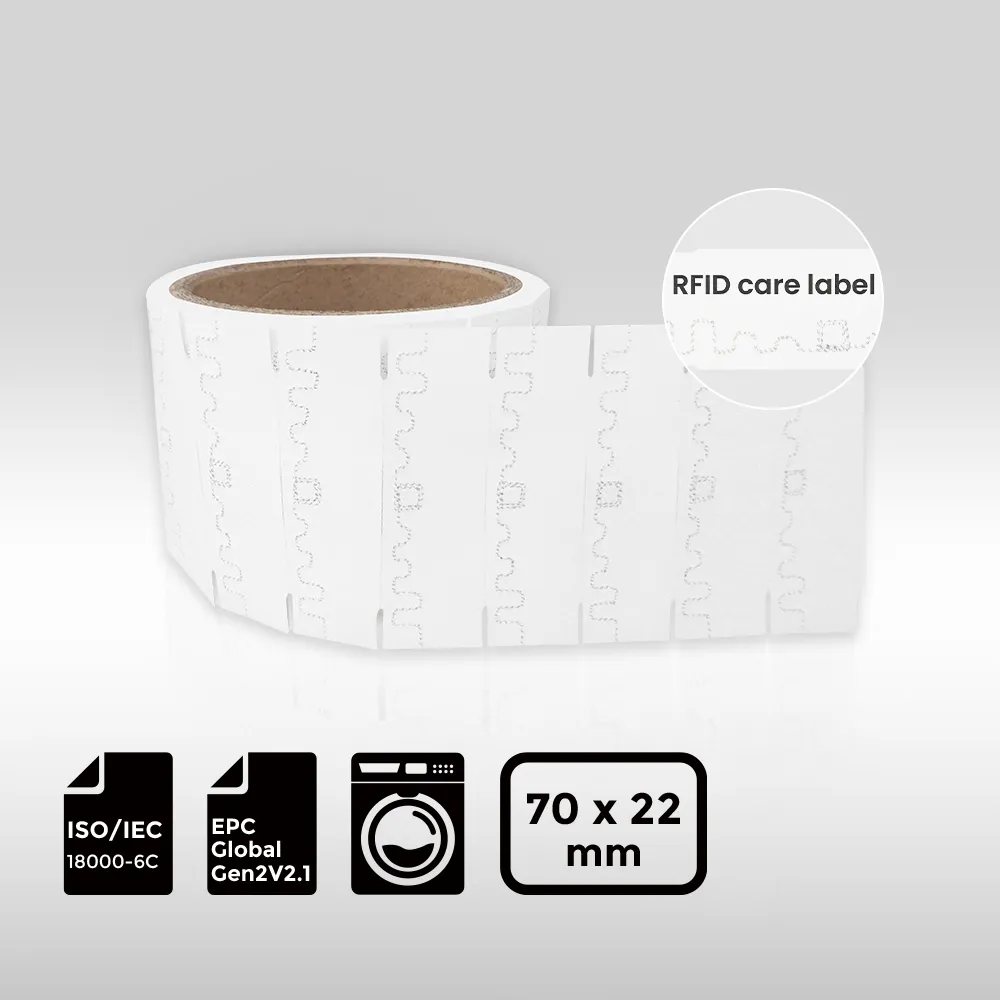
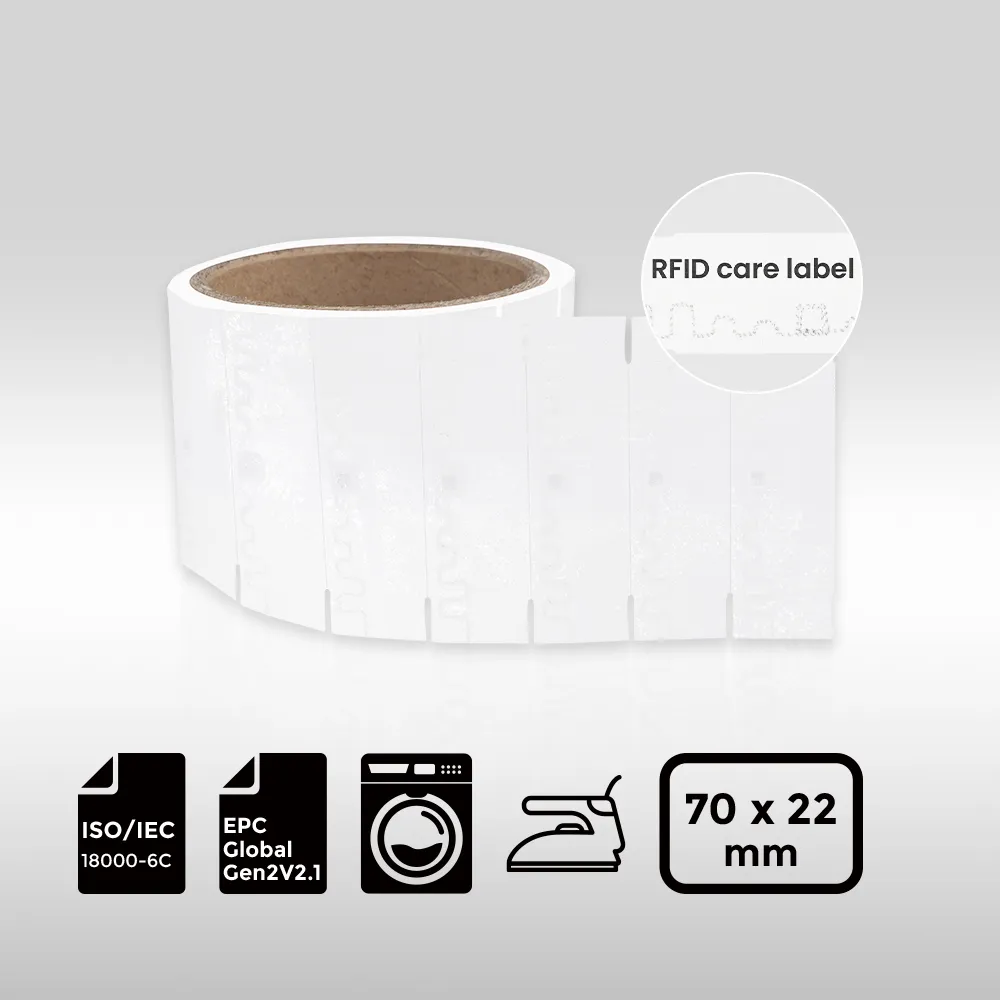
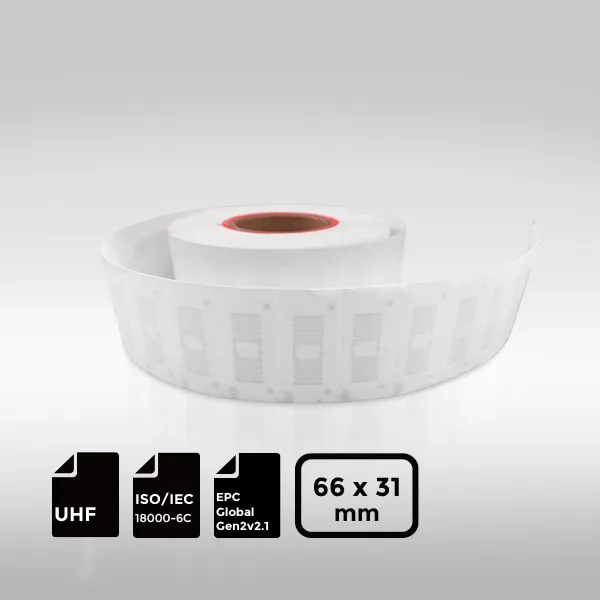
Target chose to partner with industry-leading technology providers such as Avery Dennison and Zebra. They adopted UHF (Ultra-High Frequency) RFID tags, which offer long read ranges and fast read speeds, making them ideal for retail environments.
UHF (Ultra-High Frequency) technology was selected because it supports “batch reading.” Unlike barcodes, which require line-of-sight, RFID tags can be identified from several meters away via radio waves. This means that store associates do not need to open shipping boxes; they simply point a scanner at the sealed box, and all product information inside is instantly synced to the system. For retailers like Target with massive warehousing needs, this is key to improving inventory turnover.
Additionally, the tags used by Target are typically passive RFID tags. These tags do not require batteries but instead use the energy from the electromagnetic waves emitted by the reader to activate and transmit data. This keeps tag costs extremely low, making it feasible to attach them to every piece of clothing or every home goods item, thereby achieving “item-level tagging.”
2. Phased Rollout
Implementation began with the most challenging category: apparel. Due to the multiple dimensions involved—such as size, colour, and style (resulting in a vast number of SKUs)—inventory management for apparel is the most complex. Subsequently, the technology was expanded to categories such as home décor and baby products.
3. Hardware Configuration
Target employees are equipped with advanced mobile devices that connect via Bluetooth to handheld RFID scanners. As employees walk past the shelves, the scanners can read information from hundreds of tags within seconds.
Key Takeaways: The Power of Target RFID, as Seen Through the Data
Target’s success is no accident; the data behind it is staggering. By implementing RFID, Target has made significant strides in achieving the following core objectives:
1. A Leap in Inventory Accuracy
After introducing RFID, Target’s inventory accuracy rose from just over 60% to more than 95%. In certain key categories, this figure even reached 99%. This high-precision inventory data serves as the foundation for all subsequent business decisions.
2. Improved Operational Efficiency
Traditional inventory counts took several days, but with RFID, this process was reduced to just a few minutes. According to statistics, RFID cut cycle count time by 96%.
Here is a visual comparison of traditional management methods versus RFID-based management:
| Features | Traditional Barcode Management | RFID Technology Management |
| Reading Method | Must be aligned; scanned one by one | No alignment required; batch reading |
| Reading Speed | Slow (approx. 1–2 per second) | Extremely fast (up to hundreds per second) |
| Inventory Accuracy | Approx. 65% | 95%–99% |
| Inventory Frequency | Quarterly or semi-annually | Weekly or daily |
| Labor Costs | Extremely high | Extremely low |
| Real-Time Visibility | Poor, with significant delays | Excellent, with real-time updates |
| Theft Prevention and Tracking | Basic theft prevention | Robust item-level tracking and anti-counterfeiting |
Reducing Shrinkage and Preventing Theft: The Hidden Profits of the Retail Industry

In addition to improving inventory accuracy, Target also uses RFID to address another persistent problem in the retail industry: shrinkage. Shrinkage is typically caused by administrative errors, supplier fraud, employee theft, or external burglary. According to data from the National Retail Federation (NRF), annual shrinkage in the U.S. retail industry amounts to tens of billions of dollars.
With RFID, Target can achieve:
- Precise loss tracking: If an item goes missing, the system can accurately pinpoint when and at which stage it disappeared from inventory.
- Entry and exit monitoring: When an unpaid RFID tag passes through the store’s security gates, the system automatically triggers an alarm and records the specific details of the missing item. This is smarter than traditional Electronic Article Surveillance (EAS) systems because it tells security personnel “what was stolen,” rather than just “something was stolen.”
- Prevention of organized retail crime: By tracking stolen merchandise, retailers can more easily identify criminal patterns and collaborate with law enforcement to combat cross-regional theft rings.
The “Secret Weapon” of Omnichannel Retail

The key to Target’s success lies in its omnichannel strategy. In today’s increasingly competitive e-commerce landscape, Target recognises that its brick-and-mortar stores across the United States should not merely serve as showrooms, but rather function as efficient “micro-fulfilment centres.”
1. Buy Online, Pick Up In-Store (BOPIS)
Without accurate inventory tracking, the BOPIS model would be a disaster. If a customer places an order online and a store associate cannot locate the item, the order will be cancelled, leading to lost business. RFID ensures that associates can locate every item a customer has reserved with nearly 100% accuracy.
2. Ship from Store
With RFID, Target can instantly determine which store nationwide carries the specific size a customer needs. This flexibility has driven significant growth in Target’s digital channel sales. In 2016, Target’s digital sales grew by 26%, largely due to the inventory visibility provided by RFID.
3. “Endless Aisle”
When customers cannot find their desired colour or size in-store, associates can use RFID devices to quickly confirm whether the item is in the backroom, another store, or the online warehouse. This service greatly enhances customer satisfaction and loyalty.
A Three-Step Guide to Implementing RFID for Small and Medium-Sized Enterprises
Although Target is an industry giant, small and medium-sized businesses can also learn from its experience. Here are three steps recommended by RFIDlabel:
- Identify the Pain Points: Is it inaccurate inventory? Slow shipping? Or significant product loss? Start by addressing a specific issue.
- Conduct a Small-Scale Pilot: Don’t attempt to overhaul your entire supply chain at once. Begin with a pilot in a single warehouse or store to validate the ROI.
- Choose a Professional Supplier: Select a manufacturer with production capabilities, such as RFIDLabel. We not only offer cost-effective products but also provide customised technical consulting.
Conclusion
The Target case study demonstrates that RFID is no longer a “nice-to-have” technology, but rather a fundamental component of modern business infrastructure. By improving inventory accuracy, optimising supply chain processes, and enhancing the customer experience, RFID can deliver a tangible return on investment (ROI) for your business.
Whether you run a luxury hotel, manage a vast distribution network, or operate a fashion apparel brand, RFID can provide you with the competitive edge you need.
If you’d like to learn more about how to apply RFID technology to your business, or if you’d like to request customised RFID tag samples, please feel free to contact us rfidlabel.com. Let’s work together to start a new chapter in your smart inventory management!