


In today’s fast-paced lab environments, effective sample management is crucial for maintaining data integrity, compliance, and operational efficiency. With advances in technology, labs are increasingly using Radio Frequency Identification (RFID) labels to streamline processes, ensure accurate tracking, and reduce human error. This guide provides an in-depth look at RFID labels in lab settings, explaining how they work, their benefits, and best practices for implementation.
1. What Are RFID Labels and How Do They Work in Laboratories?
RFID labels are wireless systems that use electromagnetic fields to transfer data, enabling the identification and tracking of objects, like lab samples, without needing direct contact. Unlike traditional barcodes, which require the scanner to be close and properly aligned, RFID labels can be scanned from a distance, even through materials like plastic or glass, making them perfect for laboratory applications.
Key Components of RFID Technology
- RFID Tags: Attached to the objects for identification.
- RFID Readers: Devices that capture data from tags remotely.
- Antenna: Enables communication between tags and readers.
- Software: Processes and stores the data collected from RFID readers, allowing for seamless integration with laboratory information management systems (LIMS).
2. Benefits of Using RFID Labels in Laboratory Settings
- Enhanced Efficiency in Sample Management
RFID technology allows multiple tags to be read simultaneously, a feature known as bulk scanning, which significantly improves processing speed and reduces labor costs. For laboratories handling large volumes of samples, such as in clinical trials or biobanks, this efficiency is invaluable.

- Improved Data Accuracy and Traceability
Manual data entry is prone to errors, which can lead to sample misidentification or misplaced records. RFID labels reduce human error by automating data collection, ensuring that each sample is correctly identified and traceable throughout its lifecycle.
- Optimized Inventory Control
RFID enables real-time tracking of inventory, providing laboratories with instant visibility into sample availability and status. This feature helps prevent stockouts, optimize storage capacity, and maintain appropriate inventory levels for reagents, chemicals, and other essential supplies.
- Enhanced Compliance and Data Security
For laboratories bound by regulatory standards such as ISO 15189, HIPAA, and GDPR, RFID systems offer secure data handling and traceability. Each sample’s history, including when it was accessed and by whom, can be recorded, ensuring compliance with regulatory guidelines and providing an audit trail for quality assurance.
- Cold Chain and Environmental Monitoring
RFID tags designed for laboratory use can include temperature and environmental sensors, allowing for continuous monitoring of storage conditions for sensitive samples. Laboratories handling biological samples, such as blood or tissue, greatly benefit from RFID’s ability to monitor and maintain optimal storage conditions.

3. Types of RFID Labels Used in Laboratories
- Passive RFID Tags
Passive RFID tags do not contain an internal power source and rely on the RFID reader’s signal to activate. These tags are typically lower in cost, making them suitable for single-use applications. However, their read range is shorter compared to active tags, generally up to 10 feet, which may be sufficient for laboratory storage shelves or sample racks.
- Active RFID Tags
Active RFID tags contain a built-in power source, allowing for a longer read range and additional functionalities such as real-time location tracking and environmental monitoring. Although more expensive, these tags are suitable for laboratories that require high-frequency sample tracking or for samples stored in large warehouses.
- On-Metal and On-Liquid RFID Labels
Laboratory environments often involve metal racks and liquid samples, which can interfere with RFID signal transmission. On-metal and on-liquid RFID tags are specially designed to function optimally in these environments, making them essential for accurate sample tracking in complex lab settings.

4. Implementing RFID Labels in Laboratories
- Step 1: Define Laboratory Objectives
Establish the specific goals you want to achieve with RFID technology, whether it’s enhancing sample traceability, improving inventory management, or achieving regulatory compliance. Defining these objectives will guide your decisions on the type of RFID system needed.
- Step 2: Assess Laboratory Needs and Select the Right RFID Tags
Consider factors such as the types of samples being handled, storage requirements, and environmental conditions. For instance, if your laboratory handles biological samples that require refrigeration, choose RFID tags that can withstand low temperatures.
- Step 3: Integrate with Laboratory Information Management System (LIMS)
Integrating RFID with your Laboratory Information Management System (LIMS) allows for automatic data syncing, ensuring that sample information is recorded in real time. This integration improves data consistency and reduces the need for manual data entry.

- Step 4: Plan Reader and Antenna Placement
RFID readers and antennas need to be strategically placed within the laboratory for optimal tag detection. Plan locations that cover key areas, such as storage shelves, incubators, and transfer stations, to ensure a smooth workflow and accessibility.
- Step 5: Train Staff on RFID System Usage
Training is critical for successful RFID implementation. Laboratory staff should understand how to use RFID readers, retrieve data, and respond to system alerts, ensuring smooth operation and maximizing the benefits of the system.
- Step 6: Test and Validate the RFID System
After setting up the RFID system, perform tests to validate read range, accuracy, and data syncing with LIMS. Ensure that all tags can be read within the required range and that data transfers correctly to the LIMS, minimizing the chance of potential workflow disruptions.
5. Process for Using On-Liquid RFID Tags in Laboratories
Implementing on-liquid RFID tags in a laboratory setting, particularly for blood samples, requires a structured approach to ensure accuracy, compliance, and efficient workflow integration. Here’s a comprehensive guide to deploying and managing on-liquid RFID tags in laboratories.
- Defining Requirements and Goals for RFID Implementation
Every successful RFID implementation begins with clearly defining laboratory needs. For labs handling blood samples, the goal is to maintain precise tracking throughout the sample lifecycle, ensure compliance with data security protocols, and minimize handling errors. Establishing these requirements will assist in selecting the right type of on-liquid RFID tags, software, and associated devices.

- Sample Preparation and RFID Tagging Protocol
Before applying RFID tags to blood samples, ensure that all sample containers are sterilized and properly sealed. Choose on-liquid RFID tags that are compatible with the container materials (glass, plastic, etc.) and capable of functioning in cold storage environments if needed. Each tag should be carefully applied to avoid detachment, ensuring that the RFID adhesive or attachment method is suitable for the container’s surface.
Once the tags are affixed, technicians should scan them to associate each sample with its unique RFID code in the Laboratory Information Management System (LIMS). This allows for accurate, real-time tracking from collection through analysis.
- Reader Setup and Data Capture
Place RFID readers strategically in the laboratory at critical points where sample data needs to be captured. These locations might include storage areas, processing stations, and exit points. Readers should be calibrated to capture data within a designated range to prevent misreads or interference. Ideally, the system will be configured to automatically sync data with LIMS, streamlining sample tracking and reducing manual entry errors.
- Workflow Integration and Staff Training
For a seamless adoption process, train staff on the correct usage of RFID and familiarize them with new workflows involving RFID. This includes training on how to apply tags, operate readers, and troubleshoot common issues. Workflow integration is key; RFID technology should blend smoothly with existing procedures, not disrupt them.

6. Installation and Maintenance of On-Liquid RFID Tags in the Laboratory
Implementing an RFID system involves not only the initial setup but also routine maintenance to ensure continued efficiency and accuracy.
Installation Steps for On-Liquid RFID Tags
- Install RFID Readers and Antennas: Set up RFID readers and antennas in strategic lab locations where sample tracking is necessary. Calibration is essential to avoid overlapping ranges and interference.
- Configure Software Integration: Integrate the RFID system with LIMS to facilitate smooth data flow. Middleware or compatible software should be installed to enable data synchronization between the RFID readers and the LIMS database.
- Test Tag Readability: Verify that tags can be read under various conditions, including through liquid-filled containers and in refrigerated environments. Adjust reader sensitivity and positioning as necessary.
Routine Maintenance
- Regular Calibration: Regularly calibrate RFID readers and antennas to ensure consistent signal accuracy. Environmental changes, such as new equipment or materials, can impact RFID performance, so periodic checks are crucial.
- Tag and Reader Inspection: Conduct regular inspections of RFID tags for signs of wear or detachment, and ensure all readers are functioning properly. Replace any damaged tags immediately to maintain data integrity.
- Software Updates: Keep the software, including LIMS integration, up-to-date to prevent security vulnerabilities and maximize compatibility with new hardware and features.
- Battery Management for Active Tags: If using active RFID tags, monitor battery levels and replace batteries as needed to avoid interruptions in data collection.
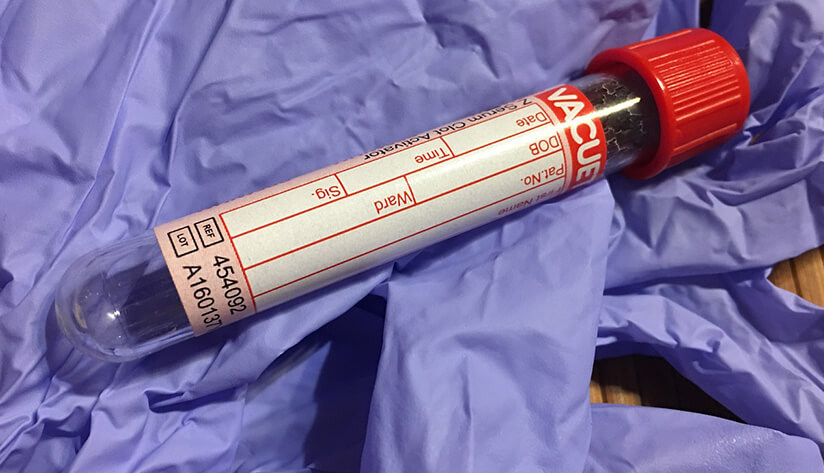
7. Precautions for Using On-Liquid RFID Tags in the Laboratory
On-liquid RFID tags provide valuable advantages but require specific precautions to ensure they work optimally in a laboratory environment.
- Signal Interference Management
On-liquid RFID tags, especially in laboratories where metal racks and electronic devices are common, may experience signal interference. Use specially designed tags that reduce signal loss around metals and liquids, and position readers strategically to mitigate interference.
- Environmental Compatibility
Consider the temperature, humidity, and chemical exposure when selecting on-liquid RFID tags. For blood samples stored at low temperatures or under cold-chain conditions, ensure that the tags are rated for extreme temperatures and moisture.
- Label Attachment
Proper tag attachment is essential, as an improperly attached label may become unreadable or fall off, leading to sample misidentification. Use tags with strong adhesives or suitable fasteners for the materials used in sample containers.
- Data Privacy and Security
Given the sensitive nature of blood samples, especially those involving patient information, implement data encryption and access controls. Only authorized staff should have access to RFID data to maintain privacy and ensure compliance with regulations.

8. Compliance Requirements in Blood Sample Tracking and Management
As mentioned earlier, to ensure responsible handling of blood sample data, laboratories must integrate robust privacy measures alongside strict compliance protocols. Given that patient samples often involve sensitive information, security practices such as encryption and controlled access are essential.
- HIPAA Compliance for Patient Samples
For laboratories in the healthcare industry, HIPAA regulations govern patient privacy. RFID systems must utilize data encryption and restrict data access to authorized personnel only. The RFID system should track each sample without directly linking it to personal information that is visible to unauthorized individuals.
- ISO 15189 and GLP Standards
ISO 15189 sets international standards for laboratories to ensure high-quality management and testing. RFID tagging systems should record every detail of the sample’s journey, from collection to disposal, to create an auditable trail. This level of traceability also aligns with Good Laboratory Practice (GLP), which promotes reliable and consistent data management.
- GDPR Compliance in the European Union
For laboratories operating within the EU, the General Data Protection Regulation (GDPR) imposes stringent data handling standards. Implement data anonymization protocols for RFID tags associated with patient samples to protect privacy, and ensure that only necessary data is stored in compliance with GDPR requirements.
9. The Role of On-Liquid RFID Tags in Blood Sample Traceability
RFID tags play a crucial role in maintaining accurate traceability for blood samples. Tracking begins at sample collection, where each tag is assigned a unique code in LIMS. As the sample moves through various stages—transport, storage, testing—RFID tags continuously update its status and location, enabling precise tracking and minimizing the risk of misplacement or contamination.
Through RFID tagging, laboratories can generate a complete audit trail for each sample, showing where it has been, who handled it, and under what conditions. This traceability is essential for clinical labs, as it allows for quality assurance checks, ensures compliance with regulatory standards, and facilitates recalls if needed.
10. Applications of RFID Labels in Laboratory Settings

- Blood Sample Tracking
RFID labels provide real-time traceability for blood samples, especially in clinical research and blood banks. By tagging each sample, laboratories can ensure accurate sample identification, maintain chain-of-custody logs, and minimize handling errors, which is critical in transfusion and diagnostic labs.
- Biobank Management
Biobanks store large quantities of biological samples over long periods, requiring precise inventory control and sample traceability. RFID technology enables biobanks to efficiently monitor sample conditions, expiration dates, and locations, streamlining sample retrieval and inventory audits.
- Environmental Monitoring for Sensitive Samples
For sensitive samples like tissue or DNA, environmental conditions such as temperature and humidity must be meticulously controlled. RFID labels with environmental sensors help laboratories maintain the required conditions and provide alerts if parameters fall outside acceptable ranges.
- Equipment and Asset Tracking
RFID can track not only samples but also laboratory equipment. Labs with a significant amount of specialized equipment can benefit from RFID’s ability to log the equipment’s location, maintenance schedule, and usage history, reducing downtime and maximizing asset utilization.
- Pharmaceutical Research and Development
In pharmaceutical R&D, where high volumes of chemical samples are tested daily, RFID tags help manage sample tracking and streamline workflows, allowing researchers to seamlessly trace each sample’s journey from storage to testing phases.

11. Case Studies on RFID Implementation in Laboratory Specimen Tracking
North York General Hospital in Canada implemented RFID technology to reduce medication errors. Using the Intelliguard® Kit and Tray Management System, the hospital automated medication tray restocking. RFID tags, containing essential drug data, are scanned in seconds, identifying missing, expired, or soon-to-expire items for prompt replacement. This system reduced errors, saved labor hours, and allowed for precise daily restocking, improving workflow between the pharmacy and departments like anesthesia. The initiative highlighted RFID’s impact on accuracy and patient safety in medication management.
Pathology labs are increasingly opting for RFID over barcodes to tackle common tracking mistakes in specimen processing, including misidentification and preanalytical errors. RFID’s automated scanning allows for continuous sample tracking without manual intervention, thus reducing handling risks. The integration of RFID systems for end-to-end specimen tracking has led to more consistent and error-free sample processing from collection to analysis, especially in high-volume environments.
UPMC implemented a Wi-Fi-based RFID tracking system for real-time specimen and asset tracking across its facilities. This setup provided instant location data for specimens, streamlining workflows and significantly cutting down the time and labor needed for tracking and locating samples. The system also integrated smoothly with existing healthcare networks, allowing UPMC to maintain an uninterrupted chain of custody for each specimen, which is crucial for regulatory compliance and clinical accuracy.
Conclusion
RFID labels present transformative potential for laboratories, enhancing accuracy, traceability, and compliance in sample and asset management. By automating data collection and providing real-time tracking, RFID technology significantly reduces the chance of error and improves operational efficiency. However, laboratories must carefully plan for RFID implementation, from selecting suitable tags and calibrating equipment to training personnel and ensuring data security. As RFID technology continues to advance, laboratories that adopt RFID will be well-positioned to achieve better regulatory compliance, maintain sample integrity, and streamline their workflows for improved productivity and accuracy.
For laboratories looking to adopt RFID solutions to streamline operations and safeguard data, we offer a wide range of specialized RFID products. To learn more, please visit rfidlabel.com or contact our dedicated sales team for inquiries and personalized assistance. We’re here to help you find the best RFID solution to meet your lab’s unique needs.


