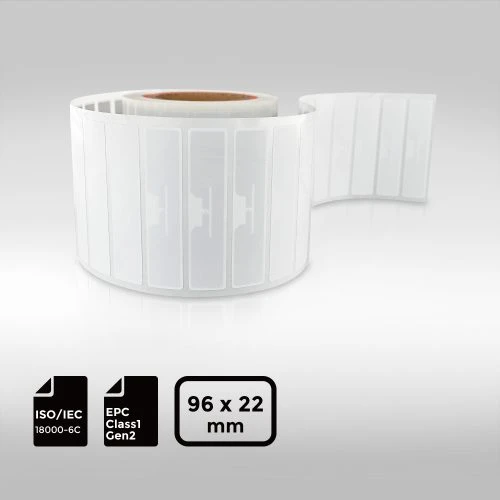
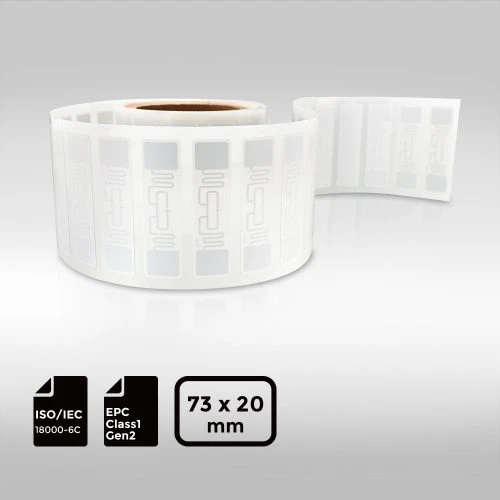
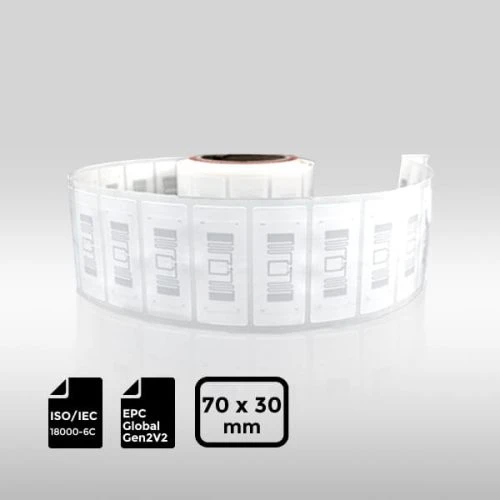
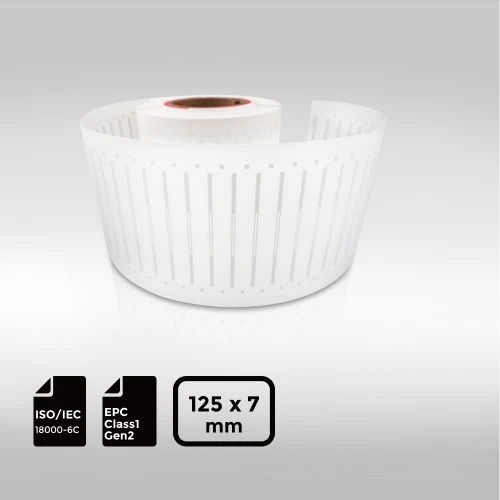
Long range RFID tags play an important role in various IoT applications by providing efficient identification and tracking solutions. With the development of IoT technology, these tags are increasingly used in different scenarios such as asset management, supply chain optimization, and inventory tracking. Through their long reading distance and reliable performance, long range RFID tags have become an essential tool for modern management. This blog will provide users with a comprehensive analysis of the installation and maintenance of long range RFID tags.
What Is a Long Range RFID Tag?
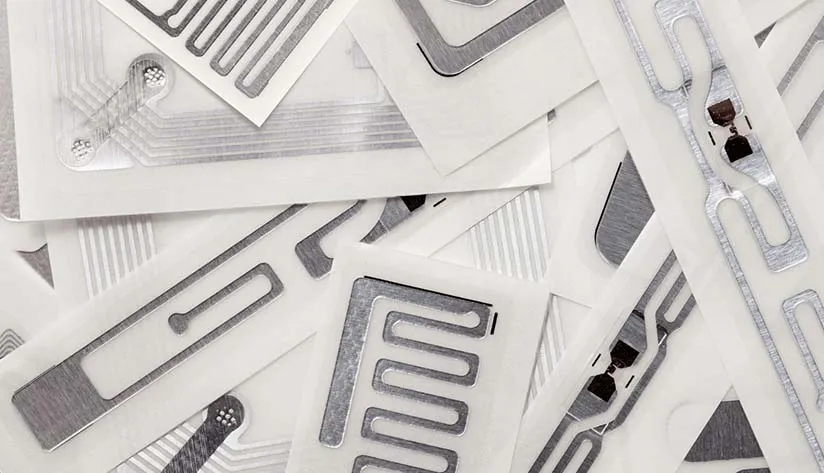
Long-range RFID tags are a wireless identification technology capable of transmitting and identifying data over a range of several meters or even tens of meters. Compared with proximity RFID tags, long-range RFID tags have longer reading distances and stronger penetration, suitable for large-scale asset management, warehouse management, and other application scenarios.
What Needs to Be Prepared to Install Long Range RFID Tags?
We will look at the following three aspects of preparing for the installation of long range RFID tags.
- Identify application scenarios and requirements
Firstly, before installing long-range RFID tags, users need to clarify the application scenario and specific needs. For example, is the tag to be used for warehouse management or logistics inquiry? Each application scenario has different needs for tags, so you need to choose the right type of tag.
According to the different application scenarios and needs, choose the appropriate RFID tags and readers. Long-range RFID tags usually use the UHF frequency band and have a long reading distance. When selecting a tag, you need to consider the tag’s operating frequency, reading distance, data capacity, and anti-jamming ability.
- Determining where to mount the tags
The installation position of the tag will directly affect the reading effect of the label. For example, in warehouse management, the label is usually installed on the goods or pallets. In logistics and transport, the tags are installed in the cargo box or on the vehicle. Therefore, we should choose a suitable location to ensure that the tags are in the reading range, and will not be affected by metal objects or other sources of interference.

Installation Steps for Long Range RFID Tags
- Determine tag mounting location
Firstly, determine where the tag will be installed to ensure that it is within the reading range of the RFID reader and will not receive interference. In addition, the location should be easy to install and maintain.
- Prepare the mounting surface
Cleaning the mounting surface of the tag in advance to ensure that it is clean and flat. If the mounting surface is metal or other reflective material, it can be isolated with insulating material to prevent the signal from receiving interference.
- Install the tags
Choosing the appropriate mounting method according to the type of tag. For stick-on labels, a strong adhesive can be used to fix the label to the surface. For screw-in tags, on the other hand, screws can be used to securely mount the tag to the holder.
- Adjust tag orientation
By adjusting the orientation of the tag, it is ensured that the tag’s antenna is aligned with the RFID reader’s antenna for optimal reading. The orientation of the tag’s antenna is very important for signal transmission, so it needs to be carefully adjusted.
After installation, we need to use the reader to test the tag reading effect. To ensure that the tag in the predetermined reading range can be read stably, and will not be subject to signal interference. If the reading effect is found to be less than ideal, the direction and position of the tag should be adjusted in time until the best results are achieved.
How to Maintain Long Range RFID Tags
- Regularly check tag status
We need to check the condition of the tags regularly to ensure that they are not damaged or detached. If the tags are found to be damaged, they need to be replaced promptly. For stick-on tags, the adhesive needs to be checked for failure. For screw-fixed tags, the screws need to be checked for looseness.
- Clean tags and readers
Care should be taken to keep the tags clean to avoid any build-up of dust and dirt. Dust and dirt will affect the transmission of signals and lead to a decrease in the reading effect of the tag. We can use a dry cloth to gently wipe the surface of the tag.
- Test system performance
We need to test the performance of the whole RFID system regularly to ensure that the system can operate properly. By simulating the actual application scenarios, test the tag reading effect and data transmission. If the system performance is found to be degraded, we need to gradually troubleshoot the problem, find out the cause, and solve it.
- Update system software
Maintain regular updates to the RFID system software to ensure that the system is running on the latest version. Software updates usually include optimization of performance and fixing of leaks, which can effectively improve the stability and security of the RFID system.
Conclusion
Long-range RFID tags play an important role in modern management. With proper installation and maintenance, you can ensure the efficient operation of your RFID system, improve management efficiency, and reduce manual operations and errors. We hope that the installation and maintenance guide provided in this blog will be helpful to you and make you more comfortable in using long-range RFID tags.
After reading this blog, do you have some idea about how to install and maintain the long range RFID tags? If you still need more information, you can visit our official website rfidlabel.com to browse more product information related to long range RFID tags. Also, We provide long range RFID tags with different chips on our website, you can choose according to your needs.