
On-Liquid RFID Labels
Reliable Tracking, Even Through Liquids Environments.
What Is On-Liquid RFID Label?
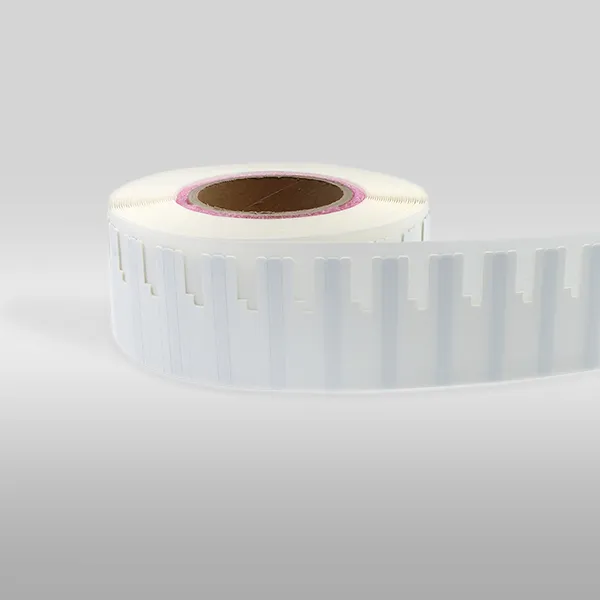
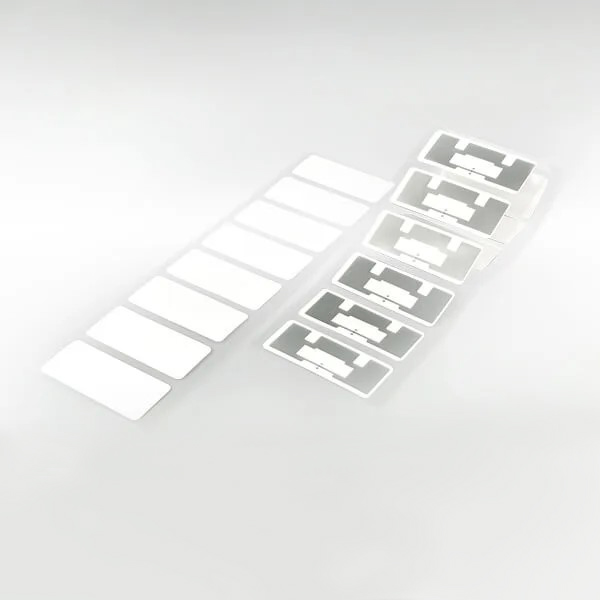
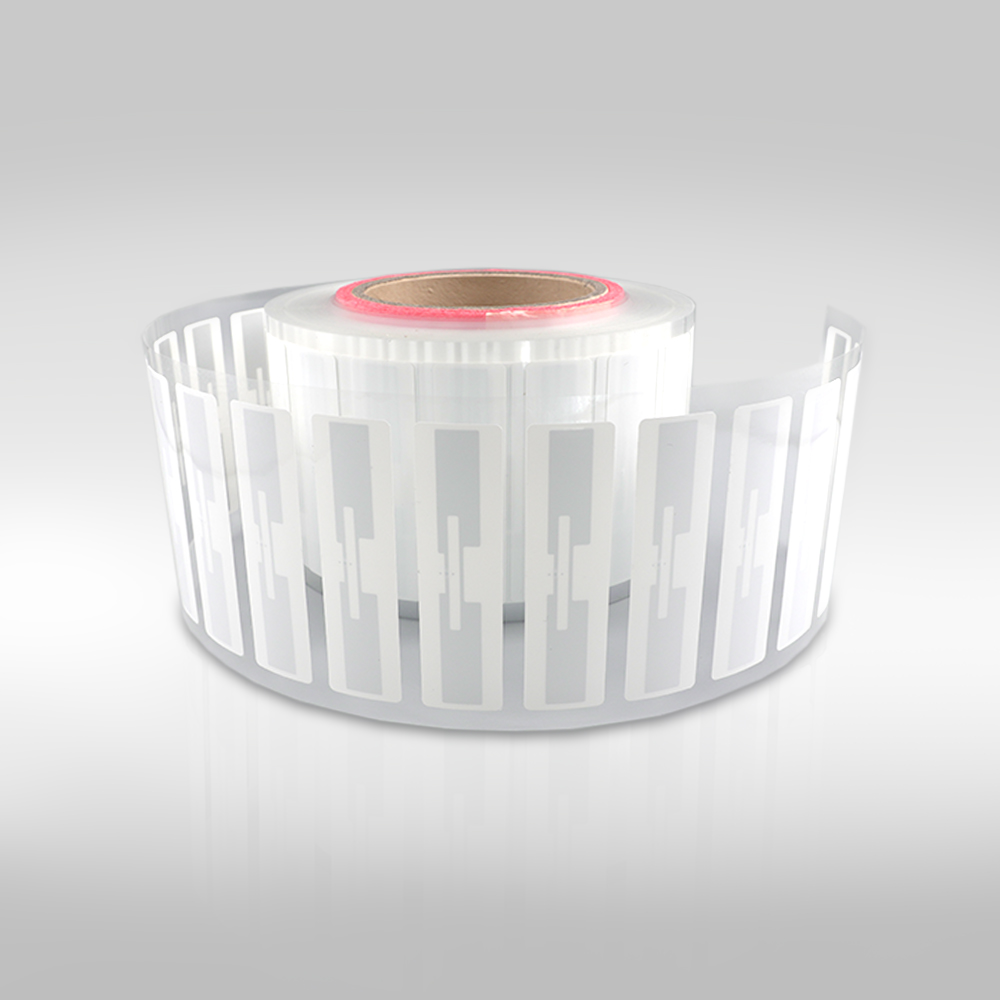
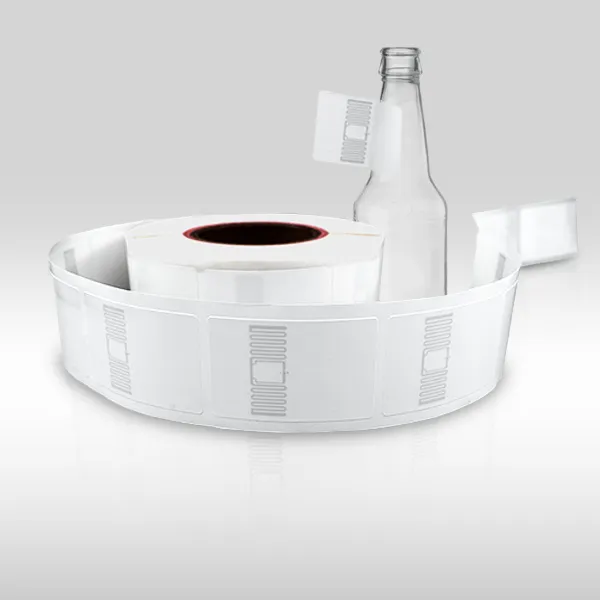
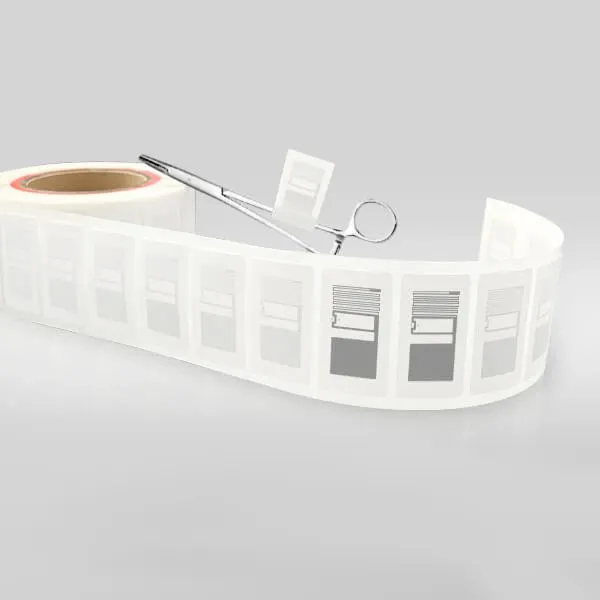
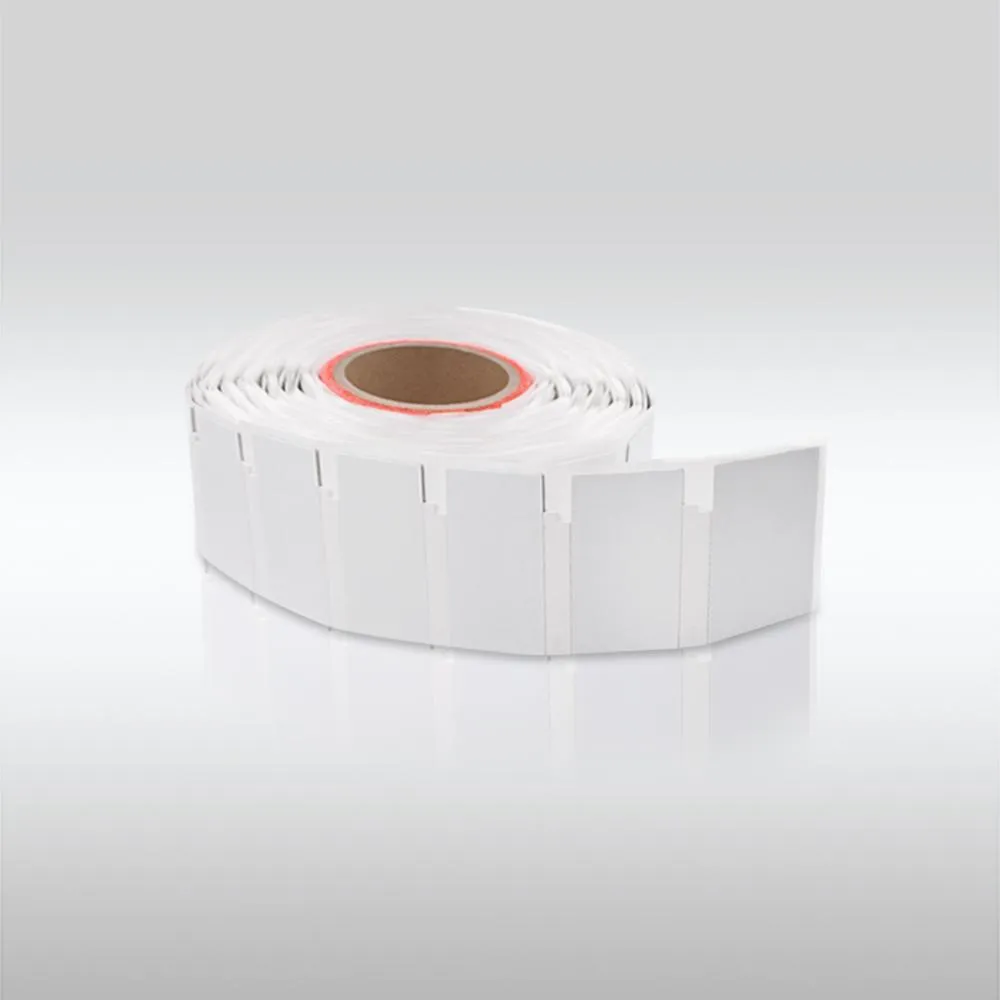
On-liquid RFID Label (Liquid Environment RFID Label) is a radio frequency identification (RFID) tag specifically designed to operate in environments containing liquids or moisture. Conventional RFID labels in liquid environments can suffer from signal attenuation or reflection due to the high dielectric properties of liquids (e.g. the polar molecular structure of water), which can degrade the label’s read performance. On-liquid RFID labels overcome these challenges through special design and material selection, ensuring stable read performance on or near liquid surfaces.

Key features of On-Liquid RFID Label
Special material encapsulation
The high dielectric constant and conductivity of liquids can disrupt RFID signal propagation. To address this, On-liquid RFID labels use innovative encapsulation with isolation materials like foam pads or plastic films to minimize RF signal absorption and reflection. Durable, moisture-resistant materials such as polypropylene ensure consistent performance when in contact with liquids. Additionally, the tags are weather-resistant and designed to function reliably in extreme humidity and temperatures, ideal for cold chain shipping or laboratory settings.
High-frequency band compatibility
On-liquid RFID labels support multiple frequency bands to accommodate various applications. Ultra-high frequency (UHF, 860–960 MHz) enables long-distance reading with a range of 2–5 meters, even in liquid environments. High frequency (HF, 13.56 MHz) excels in close-range scenarios (centimeter-level), offering enhanced signal stability and anti-interference capabilities, making it ideal for pharmaceuticals, cosmetics, and other small liquid packaging.
Optimized antenna design
On-liquid RFID labels feature optimized antenna designs for liquid environments. The compact Inverted F Antenna (IFA) minimizes signal interference, ensuring stable strength, while parasitic element antennas enhance electromagnetic field distribution for better signal penetration. Additionally, a high-gain design expands reading range near liquids, boosting stability and efficiency.
Flexible application formats
On-liquid RFID labels are designed for versatility and ease of use. Sticker labels can be directly applied to the surface of liquid containers without additional tools, while embedded labels can be placed inside containers or packaging for enhanced concealment and durability. Their thin, lightweight design makes them ideal for use on bottles, cans, or bags of liquid products.
How do On-Liquid Labels Perform Exactly?
RFID On-Liquid Label Performance Test

Reading Performance of On-Liquid RFID Labels on the Surfaces of Different Liquid Containers

Benefits of On-Liquid RFID Label

High interference immunity
Liquids usually have a high dielectric constant, which allows them to absorb and reflect RF signals, affecting the performance of traditional RFID tags. On-liquid RFID labels use specific designs and materials that can effectively reduce the interference of liquids with RFID signals. They typically use stronger anti-jamming algorithms and antenna designs to ensure stable operation even in complex liquid environments.

Improve inventory management efficiency
On-liquid RFID labels can track the flow and storage of liquid products in real-time, thus improving the accuracy and efficiency of inventory management. Compared with traditional bar code technology, RFID technology does not require line-of-sight reading, multiple tags can be scanned at the same time, greatly improving the efficiency of inventory counting. Especially in the management of large quantities of liquid products, on-liquid RFID labels can significantly reduce manual errors and improve real-time inventory data and accuracy.

Anti-counterfeiting and traceability
On-liquid RFID labels provide a unique identification code for each liquid product, which can realize the whole process of product traceability. With RFID tags, companies can monitor every step of each product from production, and packaging to distribution. This not only helps companies improve supply chain transparency but also effectively prevents the circulation of counterfeit and substandard products. In industries such as pharmaceuticals, luxury goods, and food, anti-counterfeiting and traceability are particularly important, and on-liquid RFID labels fulfil this need.

Compatibility and Integration
On-liquid RFID labels are compatible with existing RFID infrastructure, allowing easy integration with an organization’s existing systems. For example, on-liquid RFID labels can be connected to Warehouse Management Systems (WMS), Enterprise Resource Planning (ERP) systems, etc., to automatically generate inventory data, sales data, and other relevant information for more efficient business operations.


FAQs
Yes, these labels are designed with safe, non-toxic materials, making them suitable for use on products that come into contact with food, pharmaceuticals, or personal care items. They comply with industry safety standards for such applications.