As counterfeit products become increasingly rampant worldwide, especially in the food and pharmaceutical sectors, ensuring product authenticity and safety has become a critical issue in supply chain management. In this context, RFID food drug anti-counterfeiting technology, particularly NFC labels with tamper-evident features, is emerging as an effective tool to address this problem. This article will introduce a typical case study and provide a detailed analysis of the NXP NTAG® 213 Tag Tamper NFC Label to demonstrate the advantages and applications of RFID labels in anti-counterfeiting.
Case Study: Colgate-Palmolive Counterfeit Toothpaste Incident
In 2007, Colgate-Palmolive faced a crisis in the United States involving counterfeit toothpaste. These counterfeit Colgate toothpastes not only had highly authentic-looking packaging but also contained toxic diethylene glycol, a chemical typically used in antifreeze. The incident sparked widespread consumer panic, prompting Colgate to take swift action by recalling these counterfeit products from stores across several U.S. states, highlighting the importance of RFID food drug anti-counterfeiting measures. The company worked closely with the U.S. The Food and Drug Administration (FDA) educated consumers on identifying counterfeit products and quickly removed contaminated items from shelves. This incident not only severely impacted the company’s brand reputation but also highlighted the potential threats posed by counterfeit products in the supply chain.
Advantages of RFID Labels in Anti-Counterfeiting
To address the issues mentioned above, using RFID labels on product packaging is an effective anti-counterfeiting solution. For example, the NXP NTAG® 213 Tag Tamper NFC Label is an intelligent label integrated with anti-counterfeiting and tamper-evident features. It allows brand owners to verify the authenticity of their products while enabling interaction with consumers both before and after purchase. The label uses the NXP NTAG 213 chip, which offers digital signatures, tamper evidence, and status detection capabilities, effectively preventing counterfeit products from circulating at any point in the supply chain.
- Digital Signature and Tamper-Evident Features
The NXP NTAG® 213 Tag Tamper NFC Label provides a digital signature feature that ensures each label is unique and cannot be duplicated. This means that the authenticity of the product can be verified throughout its entire journey, from production to the consumer’s hands. Additionally, the label’s tamper-evident feature allows for the detection of any attempts to open or replace the label, further enhancing product security.
- Convenience and Efficiency in Supply Chain Management
The label supports the ISO/IEC 14443A standard and operates at a frequency of 13.56 MHz, with a communication speed of up to 106 kbit/s. This allows for quick and efficient reading of label information at various points in the supply chain, significantly improving logistics and inventory management efficiency. Additionally, the label has a working range of 100 millimeters, enabling data transmission without physical contact, further enhancing convenience.
- Environmental Adaptability and Durability
The NXP NTAG® 213 Tag Tamper NFC Label is made from coated paper, providing excellent environmental adaptability. The label has a data retention lifespan of up to 10 years and can be written to over 100,000 times. These features ensure the label’s reliability and durability in various harsh environments, making it an ideal choice for food and pharmaceutical suppliers.
Benefits of RFID Labels
Using the NXP NTAG® 213 Tag Tamper NFC Label not only effectively prevents counterfeit products from entering the market but also offers multiple benefits to food and pharmaceutical suppliers:
- Enhancing Brand Trust
By ensuring the authenticity of each product, suppliers can boost consumer trust in their brand, thereby enhancing market competitiveness.
- Improving Supply Chain Transparency
RFID labels can track the entire journey of a product, from raw material procurement to the final consumer, making supply chain management more transparent and efficient.
- Reducing Costs
Although the initial investment cost is relatively high, RFID technology can significantly reduce economic losses caused by counterfeit products in the long run and minimize waste due to poor inventory management.
- Supporting Interactive Marketing
Through NFC functionality, suppliers can interact with consumers before and after purchase, such as providing product usage instructions and promotional information, enhancing the consumer purchasing experience.
Conclusion
Counterfeit products pose a significant challenge to the food and pharmaceutical industries. RFID labels, particularly high-performance products like the NXP NTAG® 213 Tag Tamper NFC Label, offer a robust solution. By effectively tracking and verifying product authenticity, RFID technology not only protects consumer safety but also helps suppliers enhance brand value and market competitiveness. If you are looking for a reliable RFID food drug anti-counterfeiting solution, the NXP NTAG® 213 Tag Tamper NFC Label is undoubtedly an ideal choice. For more information, please visit rfidlabel.com or contact our sales team for detailed inquiries.
Recommended Product
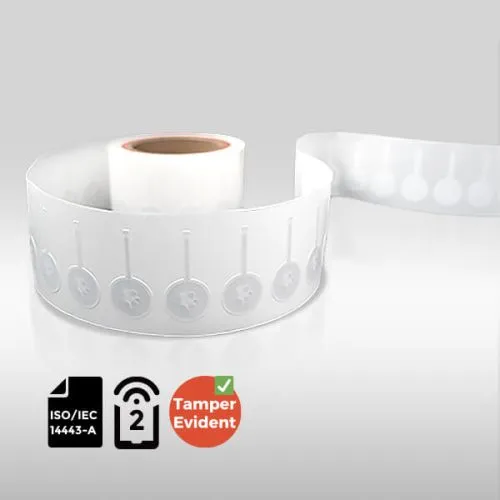
ISO14443A 13.56MHz NFC Label/Inlay NXP NTAG® 213 TagTamper

NTAG® 213 TagTamper offers several features to protect brands and enable advanced anti-counterfeiting as well as tamper-proofing. Furthermore, it lets brand owners have a direct engagement with consumers.