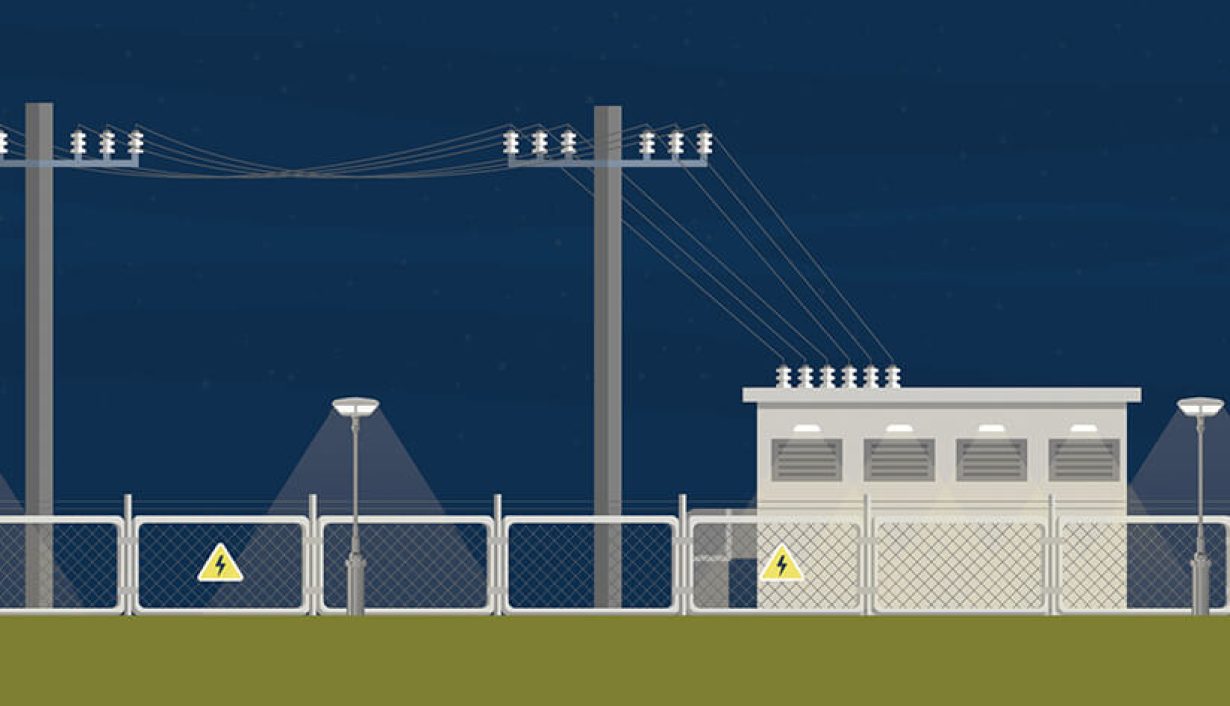

In recent years, the energy sector has undergone a major transformation thanks to the growing use of smart grid technologies. One of the key advancements driving this change is the integration of Radio Frequency Identification (RFID) systems. RFID technology has proven to be a vital tool for optimizing energy distribution, enhancing operational efficiency, and ensuring the security and reliability of power grids. As the world moves toward sustainable energy solutions and digitalization, the application of RFID in smart grids is crucial in reshaping how electricity is managed, distributed, and consumed.
In this article, we’ll dive into the various applications of RFID technology in smart grids, focusing on how it facilitates monitoring, asset management, predictive maintenance, and improved security. We’ll also look at the benefits RFID offers to both energy companies and consumers, as well as the challenges faced during implementation and future trends.
What is RFID and How Does it Work?
- Understanding RFID Technology
RFID stands for Radio Frequency Identification, a technology that uses radio waves to identify and track objects. The system consists of two main components: tags and readers. RFID tags are attached to items, while readers wirelessly capture data from these tags. This data can be used for inventory management, asset tracking, access control, and more.
In smart grid applications, RFID tags can be affixed to various grid components, such as transformers, circuit breakers, switchgear, and meters. RFID readers or handheld devices placed at strategic locations gather data from these tags and send it to the central control system for analysis.

- How RFID Works in Smart Grids?
Integrating RFID into smart grids involves placing RFID tags on essential grid components. These tags store critical information, such as serial numbers, maintenance schedules, and operational data. RFID readers installed throughout the grid collect this information and transmit it to a central control system for analysis.
RFID-enabled systems provide real-time data about the condition and performance of grid components, allowing energy companies to monitor the grid’s health and identify potential issues before they lead to outages. This capability for predictive maintenance and monitoring significantly enhances the overall efficiency and reliability of the grid.
Application of RFID in Smart Grids
RFID in Power Distribution and Transmission
RFID technology also plays a vital role in enhancing the efficiency and accuracy of power distribution and transmission networks. By integrating RFID systems, utility companies can track power flow, monitor equipment, and ensure proper distribution, which boosts grid stability and reduces power outages.
- Intelligent Monitoring of Power Flow
An RFID-integrated Energy Management System (EMS) can greatly enhance energy efficiency and management. By attaching RFID tags to energy-consuming devices like air conditioners, heating systems, and machinery, the monitoring data can help analyze consumption patterns and identify which devices use the most energy.
RFID tags can also be used to monitor grid status at various locations, ensuring that energy distribution is optimized and any issues are quickly identified. For instance, if power flow deviates from the desired path or if equipment starts showing signs of failure, the RFID system can alert grid operators, allowing them to take immediate preventive measures.

- Tracking the Location of Power Equipment
In large and complex power distribution systems, locating key equipment can be a significant challenge. RFID technology simplifies this by providing precise location tracking of components such as transformers, circuit breakers, and power cables. By attaching RFID tags to critical infrastructure, operators can instantly identify the location of any piece of equipment in the grid. This not only improves equipment management but also helps maintenance teams respond more quickly in case of faults.
Furthermore, RFID technology can help optimize the layout of the electrical grid by providing detailed location data. This enables more informed decisions about upgrading, replacing, or expanding infrastructure.
- Equipment Tracking and Recycling
RFID’s role extends beyond the operational phase and into equipment lifecycle management. By tagging all equipment with RFID labels, energy companies can track the usage and condition of power equipment throughout its entire lifecycle, from manufacturing to installation and eventual decommissioning. This helps identify when equipment is nearing the end of its useful life and ensures that it is recycled or replaced on time.
Moreover, the RFID system can assist with recycling old electrical components. By identifying the equipment and its components, energy companies can efficiently manage the recycling process, contributing to sustainability efforts and reducing the environmental impact of obsolete equipment.
RFID and Energy Management Systems (EMS)
Energy Management Systems (EMS) are essential tools for optimizing energy use and managing demand across both residential and industrial sectors. RFID technology can enhance these systems, making them more effective in reducing energy consumption, improving operational efficiency, and ensuring compliance with environmental regulations.
- Optimizing Energy Consumption
Integrating RFID with Energy Management Systems (EMS) can greatly enhance how energy is consumed and managed. By attaching RFID tags to energy-consuming devices like air conditioning units, heating systems, and machinery, it becomes possible to track their operational status and power consumption. This real-time monitoring data can be analyzed to identify patterns and provide insights into which devices are using the most energy.
Based on this data, the EMS can automatically optimize energy usage by adjusting the operations of certain devices or equipment. For instance, if specific appliances are not in use, the EMS can automatically turn them off, thereby saving energy.
- Automated Control and Maintenance
Combining RFID systems with Energy Management Systems (EMS) can provide automated control over energy-consuming equipment, ensuring that devices operate only when needed. RFID tags can monitor equipment usage, and when a device is not required, the EMS can trigger an automatic shutdown or reduce power consumption.
Furthermore, the EMS can be linked with RFID tags to track when equipment needs maintenance or calibration, ensuring that devices remain energy-efficient and minimizing downtime. By optimizing maintenance schedules, RFID and EMS help prevent overuse and extend the lifespan of energy-consuming equipment.

- Data Integration and Decision-Making
RFID technology enables seamless data integration with various energy management tools and systems, allowing companies to make smarter, data-driven decisions. The data collected through RFID systems can be integrated into larger analytics platforms to forecast energy usage, predict future demand, and identify areas for efficiency improvements.
Moreover, by combining RFID data with advanced predictive analytics, the EMS can forecast when and where energy consumption will peak, enabling energy providers to proactively adjust supply, prevent overloads, and reduce overall energy costs.
RFID and Renewable Energy Resource Management
The renewable energy sector, including solar and wind power, faces unique challenges due to the intermittent nature of energy production and the complexity of managing decentralized energy systems. RFID technology offers effective solutions to these challenges by enabling efficient management of renewable energy assets, from installation to maintenance and monitoring.
- Solar and Wind Energy Equipment Management
RFID tags can be attached to renewable energy equipment like solar panels and wind turbines to monitor and manage their operational performance. For solar energy systems, RFID can track each panel’s condition, maintenance history, and even detect faults such as dirt accumulation or damage to the panels. In wind energy systems, RFID tags can be used to monitor turbines, recording their operational status, vibrations, and load data to identify any issues that may affect energy production.
By integrating RFID technology into renewable energy management systems, energy companies can ensure optimal performance of renewable assets and minimize downtime due to mechanical issues or other failures.
- Tracking Renewable Energy Components
RFID technology enables companies to track individual components of renewable energy systems. For instance, each component of a wind turbine—blades, nacelle, tower, etc.—can be tagged with an RFID label. As each component moves through the production, shipping, installation, and maintenance phases, RFID can record relevant data such as maintenance schedules, transport conditions, and performance metrics.
This tracking ensures that renewable energy equipment is installed and maintained correctly, helping to extend the lifespan of these systems and maximize energy output.
- Supply Chain and Logistics for Renewable Energy
RFID technology also plays a critical role in the supply chain management of renewable energy equipment. The renewable energy industry requires a complex supply chain to produce, transport, and install components such as solar panels and wind turbines. By utilizing RFID, companies can track the real-time status of equipment as it moves through the supply chain, reducing delays, improving logistics, and ensuring that installations proceed smoothly.
Additionally, RFID technology helps optimize inventory management, ensuring that renewable energy projects are not delayed due to missing or incorrectly ordered components.

Challenges and Solutions of RFID Technology in the Energy Sector
Although RFID technology offers numerous advantages, its application in the energy sector faces certain challenges. These challenges include technical limitations, data security concerns, and the costs associated with system integration. However, these issues can be addressed with the right strategies and solutions.
- Signal Interference and Reliability
One of the main challenges RFID technology faces in the energy sector is signal interference, especially in environments with strong electromagnetic activity. Power substations and electrical equipment may generate interference, which can hinder RFID signal transmission and affect effective communication between tags and readers.
To overcome this challenge, utility companies can use RFID tags specifically designed for high-interference environments. Additionally, integrating RFID with other technologies, such as GPS or Bluetooth Low Energy (BLE), can enhance signal reliability and coverage.
- Data Security and Privacy
The integration of RFID technology with energy systems also raises concerns about data security and privacy, especially when collecting sensitive consumer data. To ensure the security of data transmission and storage, RFID systems can implement encryption, secure authentication protocols, and regular data audits. By following best practices in cybersecurity and complying with relevant data protection regulations, energy companies can reduce the risk of data breaches and ensure the privacy of user information.

- Integration with Existing Infrastructure
When adopting RFID technology, utility companies also face challenges related to integrating it with existing infrastructure, especially legacy systems that were not designed to support RFID functionality.Upgrading legacy equipment and systems to incorporate RFID technology can be both expensive and require significant time investment.
To address this issue, companies can initially deploy RFID technology in high-priority areas that provide the greatest benefits, such as critical infrastructure and high-maintenance equipment. Over time, RFID can be expanded to other areas, allowing for a gradual and cost-effective integration process.
How to Choose the Right RFID Products for the Power Industry?
In the power industry, selecting the appropriate RFID tags is crucial for optimizing asset management, improving operational efficiency, and ensuring the stability of the power grid. The working environments in the power sector often involve high temperatures, high humidity, extreme weather, and strong electromagnetic interference, making it essential to choose RFID tags that meet these specific requirements. Below are several RFID products suitable for the power industry along with their selection guidelines:
1. On-metal RFID Label
Many devices and assets in the power industry are made of metal materials, such as transformers, circuit breakers, and generators. Due to the shielding effect of metal surfaces on RFID signals, standard RFID tags may not function properly on metal surfaces. Therefore, On-metal RFID tags are specifically designed to be attached to metal surfaces and transmit data effectively.
Features:
- Anti-metal Interference: On-metal RFID tags are specially designed to work on metal surfaces, overcoming the issues that prevent standard RFID tags from being read.
- Durability: These tags are typically highly resistant to metal interference and are suitable for complex multi-metal environments.
- Applicable Scenarios: Especially suitable for asset tracking and management of transformers, switchgear, and other metal-based structures.
Selection Guidelines:
- Operating Frequency: Ensure that the On-metal RFID tag is compatible with the RFID system used in the power industry, particularly UHF (Ultra High Frequency) tags, which are widely used in most power management systems.
- Environmental Resistance: Choose tags with an IP67 or higher water and dust resistance rating to ensure long-term reliability in outdoor or extreme environments.
- Temperature Resistance: Based on the operating environment of the equipment, select tags with temperature resistance and anti-metal interference capabilities to ensure they function under harsh conditions.
2. LED RFID Label
LED RFID tags combine traditional RFID technology with LED display functionality, making them suitable for applications that require real-time information display. In the power industry, LED RFID tags are particularly useful for providing immediate visual indication of the equipment’s status, helping operators quickly understand the location and condition of equipment.
Features:
- Enhanced Visibility: In complex environments or low-light conditions, the LED display provides additional visual reminders, ensuring that operators can respond quickly.
- Applicable Scenarios: Ideal for substations, power equipment, emergency devices, and critical infrastructure, ensuring operators can obtain equipment status in real-time.
Selection Guidelines:
- Tag Size: Choose an appropriately sized LED RFID tag to ensure that it clearly displays the required status information without interfering with the equipment’s use or installation.
- Battery Life: Opt for passive LED RFID tags that do not require an external power source to reduce the cost and maintenance associated with frequent battery replacements.
3. Cable RFID Label
In the power industry, cable systems are often complex and occupy significant space, making cable management crucial. Cable RFID tags are specifically designed for tracking cables in the power industry, helping monitor the installation, maintenance, and repair history of cables.
Features:
- Specialized Design: Cable RFID tags are designed to fit the shape and structure of cables, ensuring they remain securely attached to the cable surface and provide stable read/write performance.
- High Durability: These tags are highly resistant to stretching and abrasion, making them suitable for high-load, high-vibration environments in the power sector.
- Applicable Scenarios: Suitable for asset tracking of power transmission lines, power cables, and communication cables.
Selection Guidelines:
- Compatibility: Choose tags that are compatible with the type of cables being used, ensuring they can be effectively secured to cables of various sizes and surface materials.
- Durability: Ensure that the tags can withstand harsh environmental conditions, such as strong electromagnetic interference and daily wear and tear.
By selecting the right RFID products for the power industry, companies can enhance their asset management, reduce operational costs, and improve system reliability. The choice of RFID tags should be based on factors such as environmental conditions, compatibility with existing systems, and the specific operational needs of the equipment and infrastructure.

Conclusion
RFID technology is playing an essential role in the transformation of the energy industry, particularly in the management of smart grids, renewable energy, and energy consumption. Through its ability to track and monitor equipment in real-time, RFID helps optimize operational efficiency, reduce costs, and enhance the reliability of power grids and energy systems.
As the energy sector continues to adopt digital solutions, RFID will remain a key enabler of innovation, improving energy management and contributing to the overall sustainability of the industry. The integration of RFID with other emerging technologies such as IoT, big data, and artificial intelligence will only amplify its impact, driving the digital transformation of the energy industry for years to come.
After reading this article, you may be interested in implementing RFID solutions for your energy management and smart grid systems. At RFIDLabel®, we offer a wide range of high-quality RFID products tailored to meet the specific needs of the sector. Visit rfidlabel.com to explore our RFID tags, labels, and readers, and take the first step towards enhancing your energy infrastructure with cutting-edge RFID technology.
FAQs
1. How does RFID improve the efficiency of energy management?
RFID improves efficiency by automating the tracking and monitoring of energy equipment and consumption. It provides real-time data that helps optimize maintenance schedules, energy use, and equipment management, leading to cost savings and improved operational efficiency.
2.Can RFID be used in remote energy management systems?
Yes, RFID technology can be integrated with IoT systems for remote monitoring and control of energy assets. This allows utility companies to manage equipment from centralized control rooms without the need for physical presence.
3.What is the role of RFID in renewable energy management?
RFID plays a crucial role in monitoring and managing renewable energy equipment such as wind turbines and solar panels. It tracks equipment status, maintenance, and performance, ensuring optimal energy production and extended asset life.
4.What challenges does RFID face in the energy sector?
Challenges include signal interference in high-electromagnetic environments, data security concerns, and integration with existing infrastructure. These issues can be mitigated with specialized equipment and robust cybersecurity practices.
5.How does RFID contribute to the sustainability of the energy sector?
RFID contributes to sustainability by enabling efficient asset management, reducing energy waste, optimizing renewable energy systems, and supporting equipment recycling efforts, ultimately improving the environmental footprint of the energy industry.