NFC amenity management has revolutionized how large-scale event venues operate in today’s digital landscape. From sports stadiums to music festivals, the implementation of Near Field Communication technology creates seamless experiences for both attendees and venue operators.
The Evolution of Venue Management Systems
Traditional venue management relied heavily on manual processes, creating bottlenecks and inefficiencies. Modern solutions leverage digital technologies to streamline operations.
How NFC Technology Transforms Venue Operations
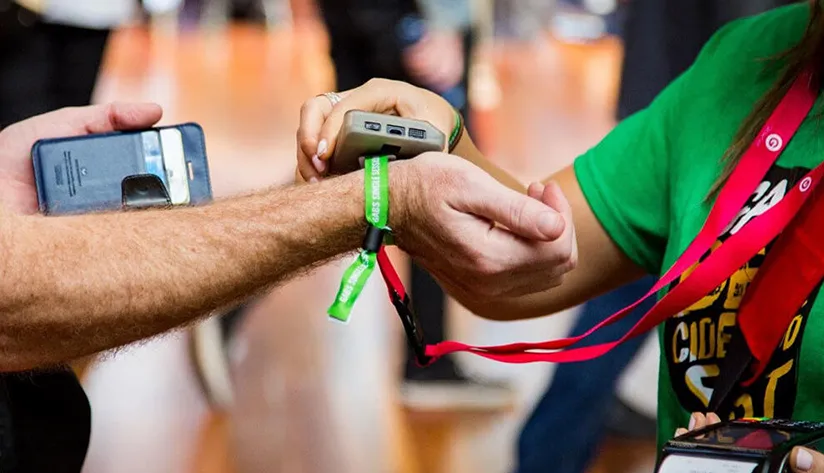
NFC technology enables contactless interactions between devices, allowing for quick data exchange without physical contact. This capability forms the foundation of effective amenity management systems.
Key Benefits of NFC Implementation
- Reduced wait times – Faster entry and service access
- Enhanced security – Digital verification of credentials
- Improved data collection – Real-time analytics on amenity usage
- Streamlined operations – Automated resource allocation

Smart Resource Allocation Through NFC Systems
NFC amenity management allows venue operators to monitor usage patterns and allocate resources efficiently. This data-driven approach minimizes waste while maximizing guest satisfaction.
Real-Time Monitoring Capabilities
Venue managers can track amenity usage in real-time, enabling immediate adjustments to staffing and resources as needed.
Enhancing the Guest Experience
The primary goal of implementing NFC amenity management is improving attendee experiences. Guests enjoy:
| Experience Factor | Traditional Method | NFC-Enabled Method |
| Entry Process | Paper tickets, manual scanning | Tap-and-go access |
| Concession Purchases | Cash/card transactions | Contactless payments |
| VIP Area Access | Physical credentials | Digital verification |
| Facility Navigation | Static maps | Interactive wayfinding |
Personalization Opportunities
NFC systems collect valuable data that enables personalized experiences for returning guests, creating stronger venue loyalty.
Implementation Considerations for Large Venues
When adopting NFC amenity management, venues should consider:
- Infrastructure requirements
- Staff training needs
- Integration with existing systems
- Data security protocols
Cost-Benefit Analysis
While initial implementation requires investment, the long-term operational savings and revenue opportunities typically provide significant returns.
Future Trends in Venue Technology
NFC amenity management continues to evolve with emerging technologies like:
- Biometric integration
- AI-powered resource prediction
- Expanded mobile functionality
- Cross-venue compatibility

Conclusion
NFC amenity management has become essential for large-scale event venues seeking to optimize operations while delivering exceptional guest experiences. The technology’s versatility, security features, and efficiency benefits make it an invaluable tool for modern venue management.
After exploring the benefits of NFC technology for venue management, you might be interested in implementing these solutions at your own facility. Visit rfidlabel.com to discover our comprehensive range of NFC products specifically designed for venue management applications, including customizable tags, readers, and complete management systems tailored to your specific operational needs.
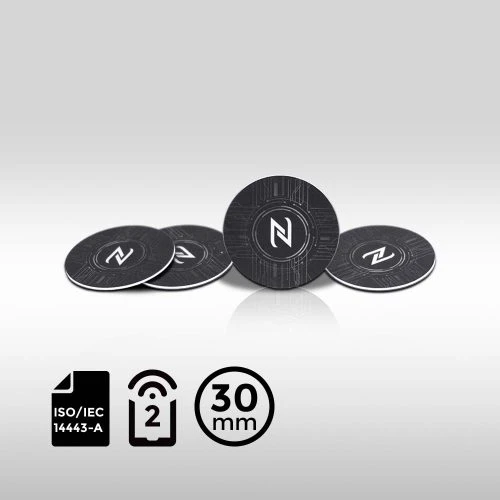
On-Metal Mobile NFC Label MIFARE Ultralight® C Ø30mm

The Ø30mm NXP MIFARE Ultralight® C On-Metal Mobile NFC Label is a compact and high-performance NFC label specifically designed for on-metal applications. Powered by NXP’s MIFARE Ultralight® C chip, this NFC label supports 3DES authentication for enhanced data security, making it ideal for applications requiring both compact size and secure communication. Also, it supports ISO/IEC 14443-A , NFC Type-2 international communication standards. With a diameter of 30mm, the label is small enough to be embedded discreetly, yet large enough to provide reliable performance even when applied directly to metal surfaces — a scenario where many standard NFC labels fail. It comes equipped with a specially engineered ferrite layer, which neutralizes interference from metal and ensures consistent readability.
This NFC label is optimized for mobile interaction, compatible with all NFC-enabled smartphones and devices. It is widely used in asset tracking, anti-counterfeiting, industrial equipment tagging, product authentication, and smart marketing initiatives.