


When you’re working with RFID (Radio Frequency Identification) systems, two of the most critical aspects you’ll want to optimize are signal range and performance. Whether you’re deploying RFID in a warehouse, retail environment, healthcare facility, or any other setting, the ability to extend the reach of your RFID signals and enhance performance can make or break your system’s success.
This guide is designed to walk you through practical steps, industry insights, and proven methods to boost RFID signal range and performance. Don’t worry—we’ll get into some technical details, but I’ll break everything down in a simple and easy-to-understand way. Let’s get started!
Understanding the Basics of RFID Systems
Before diving into ways to boost RFID signal range and performance, it’s essential to get a firm grip on what an RFID system consists of and how it works. Understanding these building blocks will give you a solid foundation to comprehend the challenges and solutions ahead.
1. What is RFID?
At its core, RFID is a technology that uses radio waves to communicate between a tag and a reader. There are three main components in every RFID system:
- RFID Tags: These are either passive or active. Passive tags have no internal power source and rely on the reader’s signal to power them, while active tags have a battery and can communicate over longer distances.
- RFID Readers: Readers send out radio waves that activate the RFID tags and retrieve data from them.
- Antennas: These are either built into the reader or used externally to amplify the signals sent to or from the tags.

2. Frequencies in RFID
RFID systems operate in different frequency ranges. Understanding these ranges is important because they directly affect your signal range:
- Low Frequency (LF): 125-134 kHz, typically used for short-range applications like animal tracking.
- High Frequency (HF): 13.56 MHz, used for moderate-range tasks like inventory management and contactless payments.
- Ultra-High Frequency (UHF): 300 MHz to 3 GHz, offering long-range communication, typically used in warehouse management, supply chain logistics, and industrial environments.
Each of these frequencies comes with its pros and cons, especially in terms of range and interference potential.

Factors Affecting RFID Signal Range and Performance
Now that you’ve got the basics down, let’s explore the main factors that impact the range and performance of an RFID system. We’ll break these down into two categories: environmental factors and physical factors.
1. Environmental Factors
- Electromagnetic Interference (EMI)
Electromagnetic interference (EMI) occurs when other nearby electronic devices emit electromagnetic waves that disrupt or weaken your RFID system’s signal. This is much like when a radio experiences static noise if it’s too close to other broadcasting frequencies or interference sources. In RFID systems, EMI can distort or entirely block the communication between the RFID tag and the reader, leading to missed reads or errors. Common sources of EMI include wireless networks, machinery, industrial equipment, mobile phones, and even lighting systems in some environments.
- Temperature and Humidity
Extreme temperature and high humidity levels can negatively affect the performance of RFID tags and readers. For example, in cold environments, the batteries in active RFID tags may drain faster, shortening the lifespan of the tags and potentially limiting the communication range. High temperatures, on the other hand, can cause electronic components in both passive and active RFID tags to degrade, reducing their sensitivity or even causing them to fail. Humidity introduces another challenge, as water molecules in the air can absorb radio signals, particularly at higher frequencies like UHF, which degrades signal quality and range.
- Multipath Effect
The multipath effect occurs when RFID signals reflect off surfaces such as metal, water, or walls, creating multiple signal paths that can interfere with each other. This causes echoes or delayed signals, which confuse the reader and result in inaccurate data or missed tag reads. Multipath interference is especially common in industrial environments like warehouses or manufacturing plants, where there are many reflective surfaces.
- Physical Obstructions
Physical obstructions such as walls, metal shelving, large objects, or even liquids can block or weaken RFID signals, especially at higher frequencies. This is particularly problematic for UHF RFID systems, which struggle to penetrate dense materials. The more physical barriers present, the weaker the RFID signal becomes, leading to reduced range and performance.
2. Physical Factors
- Tag Placement and Orientation
The placement and orientation of RFID tags directly impact how well they receive and reflect signals from the reader. For instance, if a passive RFID tag is positioned perpendicular to the reader’s signal, it may not receive enough energy to activate, causing it to fail to transmit data. Additionally, placing tags too close to materials like metal or water can severely degrade the signal due to interference or absorption.

- Antenna Type and Placement
Antennas come in different types with varying signal propagation patterns. Omnidirectional antennas transmit signals equally in all directions, while directional antennas focus the signal in a specific direction. This has a direct effect on signal range and coverage area. Antenna placement within a facility or along a path (such as in a warehouse aisle) also plays a critical role in maximizing RFID system performance.
- Reader Power Output
Reader power output determines how far the signal from the RFID reader can travel. Higher output allows the signal to reach further, enabling longer read ranges. However, this can be a double-edged sword: excessive power may cause interference with other RFID systems or create overlapping signals, reducing overall system accuracy.
- Tag Sensitivity
Not all RFID tags are created equal. Some tags are more sensitive than others, meaning they can operate with lower power from the reader or function over longer distances. High-sensitivity tags are particularly useful in challenging environments, where signal strength may be weak, or the distance between the tag and the reader is significant.
Here’s a quick table summarizing these key factors:
| Factor | Type | Impact on RFID Signal | Solution |
| Electromagnetic Interference | Environmental | Causes signal disruption | Reposition devices, reduce power of interfering devices |
| Temperature and Humidity | Environmental | Affects tag and reader performance | Use equipment rated for extreme environments |
| Multipath Effects | Environmental | Causes signal distortion | Use directional antennas |
| Physical Obstructions | Environmental | Blocks or weakens signals | Optimize antenna and reader placement |
| Tag Placement and Orientation | Physical | Impacts energy reception and transmission | Test and adjust tag orientation |
| Antenna Type and Placement | Physical | Affects signal coverage and range | Use directional antennas for focused coverage |
| Reader Power Output | Physical | Higher power increases range but may cause interference | Fine-tune output within legal limits |
| Tag Sensitivity | Physical | Determines how far and under what conditions the tag can be read | Use high-sensitivity tags for long-range needs |
Common Pitfalls to Avoid
Here are some common mistakes people make when trying to boost RFID performance and how to avoid them:
- Ignoring Environmental Interference: Overlooking potential sources of interference can drastically reduce system performance.
- Misplacing Tags: Placing RFID tags too close to metal or liquid without proper shielding or support can block or distort signals.
- Overpowering the System: Using excessive reader power can create more problems, such as signal overlap and interference between devices.
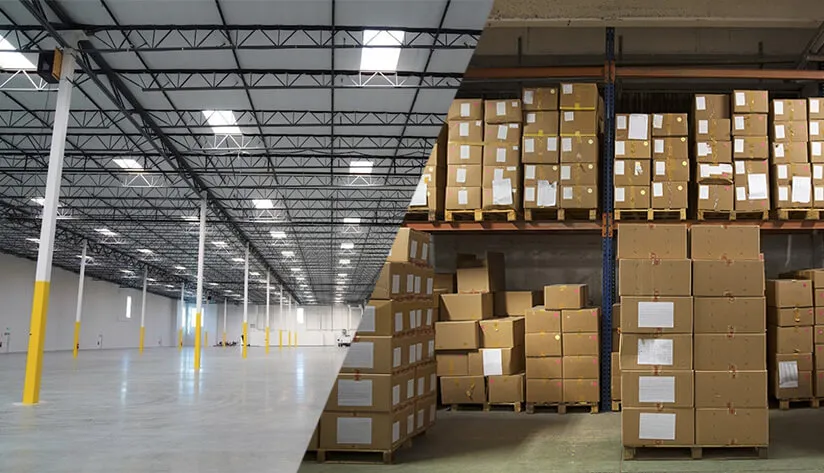
Practical Strategies to Boost RFID Signal Range and Performance
Now that we’ve discussed the key factors that affect RFID signal range and performance, it’s time to dive into practical, actionable strategies to enhance your RFID system. These strategies focus on optimizing the core components—antennas, readers, and tags—and provide solutions for both common and complex scenarios.
1. Optimize Antenna Placement
Proper antenna placement is one of the most effective yet often overlooked methods to boost the performance of an RFID system. Here’s a breakdown of key considerations when optimizing antenna placement:
- Height is Key:
Raising the height of the antenna is crucial because it helps avoid interference from objects or barriers on the ground that can block or weaken signals. Elevated antennas provide a broader, clearer signal path, which can extend the RFID read range. In environments with dense obstacles like shelving units, crates, or equipment, higher antenna placement helps reduce signal blockages.
Example: In a warehouse setting, placing antennas 3 to 4 meters above the ground can help reduce the interference caused by stacked goods, improving overall signal coverage across aisles.
- Focus on Clear Line-of-Sight:
RFID signals are strongest when there is a clear line-of-sight between the reader and the tags. Metal objects, in particular, can reflect or scatter signals, while liquids can absorb them. Therefore, positioning antennas away from large metal structures, machinery, or water containers is essential to minimize interference.
Best Practices: Avoid placing antennas directly next to or behind large metal objects. Instead, position them in areas where they can broadcast unobstructed signals.
- Test Different Configurations:
Antenna placement is rarely a one-size-fits-all solution. It’s essential to run multiple tests using different antenna orientations and placements, as even a slight adjustment in positioning or angle can significantly enhance performance.
How to Approach: Experiment with different antenna angles, spacing, and orientations to optimize coverage. In some cases, changing the angle by 15 to 30 degrees can result in more consistent reads, especially in environments with high interference or reflective surfaces.
2. Increase Reader Power Output
Adjusting the power output of your RFID reader is another straightforward way to extend signal range, but it requires careful consideration to avoid regulatory or interference issues.
- The Basics of Power Output:
Many RFID readers allow for power adjustment, which can directly influence the strength and reach of the emitted signal. By increasing the power output, you can expand the range at which tags are detected.
Caution: While boosting the power output can improve range, excessive power may cause interference with nearby RFID systems or other wireless devices, especially in environments with high radio frequency usage.
- Stay Within Legal Limits:
In many regions, regulations limit the maximum power output of RFID readers to avoid causing interference with other radio frequency services. For example, in the United States, the Federal Communications Commission (FCC) regulates the maximum allowable power for UHF RFID systems. Exceeding these limits can result in penalties and performance issues.
Best Practice: Always consult local regulations (such as FCC or CE compliance in Europe) to ensure that your system adheres to legal power limits.
- Fine-Tuning for Balance:
Aim to strike a balance between achieving a longer read range and maintaining optimal system performance without causing unnecessary interference. In many cases, the maximum power setting may not be necessary, especially in environments where the read distance doesn’t need to be extreme.
3. Use High-Gain Directional Antennas
Directional antennas are a powerful tool for extending RFID range in specific, focused directions, and are especially useful in large, open spaces like warehouses, shipping docks, or distribution centers.
- How Directional Antennas Work:
Unlike omnidirectional antennas, which broadcast signals equally in all directions, directional antennas focus the signal into a narrow beam, allowing for much greater range in the desired direction. This concentrated beam can effectively “push” the signal further, covering long, narrow areas.
Ideal Use Cases: Directional antennas are perfect for environments where you need to monitor long aisles, conveyor belts, or linear pathways in facilities like warehouses or manufacturing plants.
- Tips for Deployment:
When deploying directional antennas, it’s important to consider both their height and angle. In warehouse environments, for example, they can be mounted on the ceiling or along the sides of aisles to ensure coverage down the length of a row of goods.
Common Configurations: In a distribution center, directional antennas mounted at each end of an aisle can help track goods as they move along the row, ensuring consistent reads without blind spots.
4. Upgrade to Higher Sensitivity Tags
Sometimes the environment itself presents challenges—such as many obstructions, signal interference, or long-range requirements—that can hinder an RFID system. In these cases, upgrading to higher sensitivity tags can provide a substantial improvement in both signal detection and read reliability.
- What High-Sensitivity Tags Offer:
High-sensitivity RFID tags are designed to operate efficiently at lower signal strengths or greater distances from the reader. They can pick up weak signals more effectively, making them ideal for environments where standard tags may struggle to perform.
Environmental Challenges: In areas with significant interference from metal, liquids, or other obstructions, high-sensitivity tags can bridge the gap by allowing for more consistent reads, even in suboptimal conditions.
- Key Considerations:
While high-sensitivity tags generally come at a higher cost, they are well worth the investment in environments where maximizing signal range is critical. The improved reliability can reduce missed reads and errors, particularly in complex or high-traffic environments such as warehouses or retail spaces.

5. Use RFID Signal Boosters or Repeaters
In particularly large or obstructed environments, even a well-placed reader and high-sensitivity tags may not be enough to ensure adequate coverage. In these scenarios, RFID signal boosters or repeaters can be used to extend the system’s range and ensure consistent signal strength throughout the facility.
- How Boosters and Repeaters Work:
RFID signal boosters amplify the strength of the signal emitted by the reader, while repeaters relay the signal to further extend coverage in areas that would otherwise be out of range. These devices are particularly useful for environments with large distances between reader and tag, or areas where obstacles like walls or machinery interfere with signal propagation.
Common Uses: Repeaters are especially effective in multi-level warehouses, large retail stores, or sprawling industrial complexes, where it’s challenging for a single reader to cover the entire space.
- Placement Strategies:
When deploying boosters or repeaters, it’s important to strategically place them in areas that are either blind spots or where the signal begins to weaken. Placing repeaters near walls, high shelves, or other signal-blocking structures can help create a continuous network of coverage.
6. Consider Active RFID for Long-Range Needs
If your use case involves tracking assets over long distances (hundreds of meters), passive RFID systems may not be sufficient. In such cases, active RFID tags, which have their own power source (usually a battery), are an excellent alternative for extended range and reliable performance.
- Advantages of Active RFID:
Active RFID tags can transmit signals over much greater distances than passive tags because they do not rely on the reader’s power to activate. This makes them ideal for long-range applications, such as tracking assets in large outdoor spaces, vehicle fleets, or across large industrial sites.
Extended Functionality: Active RFID tags can also include additional sensors (e.g., temperature, motion), providing more data than just location. This is useful in industries like logistics, manufacturing, and supply chain management, where environmental data is critical.
- When to Choose Active RFID:
Active RFID systems are more expensive than passive systems due to the additional hardware and battery requirements. However, the investment is justified in scenarios where range, real-time monitoring, or environmental data collection is critical to the operation.
Example: In a large construction site, active RFID tags can track the movement and location of heavy machinery or expensive tools, ensuring they are accounted for in real-time, even over large areas.

Advanced Technologies to Enhance RFID Performance
As RFID technology evolves, new solutions continue to emerge that help further boost signal range and performance.
- Smart Antennas
Smart antennas automatically adjust their direction and power output to maximize coverage in real-time. These adaptive antennas can be highly effective in environments with many variables, such as moving objects or people.
- IoT Integration
Integrating RFID with the Internet of Things (IoT) allows real-time monitoring and data analysis, offering insights into how well your system is performing and where optimizations are needed. IoT platforms can even predict potential issues, like signal interference, before they impact performance.
Conclusion
Boosting RFID signal range and performance is a multi-faceted challenge, but by understanding the key factors involved—like environment, antenna type, and power output—and applying the right strategies, you can drastically improve your system’s capabilities.
Remember, every RFID setup is unique. Always test, tweak, and refine your system based on your specific environment and requirements. And as new technologies like smart antennas and IoT continue to evolve, stay updated to ensure your RFID system remains optimized for top performance.
Thank you for taking the time to read through our guide on boosting RFID signal range and performance. If you’re ready to explore RFID solutions tailored to your specific needs, or if you’re looking for more insights on RFID technology, visit rfidlabel.com. Our team is available to provide expert product consultation and answer any questions you may have. We also have a wealth of other informative blogs to help you stay up-to-date on the latest in RFID technology. Don’t hesitate to reach out to us with your inquiries—we’re here to help!





