RFID (Radio Frequency Identification) technology plays an important role in modern logistics, supply chain management, asset tracking, and other fields. High frequency RFID readers, with their moderate reading distance and fast data transmission speed, are widely used in various scenarios. However, in practical applications, RFID tags are sometimes missed, affecting system accuracy and possibly leading to reduced operational efficiency. This article explores how to prevent high-frequency RFID tags from being missed, providing solutions from multiple aspects such as tag selection, reader configuration, and environmental adjustments.
Select Appropriate High-Frequency RFID Labels and Readers
To ensure the stability of a high-frequency RFID system, selecting the right RFID tags and readers is crucial. High frequency RFID Labels operate in the 13.56 MHz band, characterized by moderate reading distance and strong anti-interference capabilities.
When choosing tags, consider factors such as material, size, and shape to ensure they fit the application environment. For example, in scenarios containing a large amount of metal or liquid environments, or using items containing metallic components, choose to have a metal-resistant label (such as the NXP NTAG®213 ⌀30mm On-Metal NFC Label).
When choosing a reader, focus on its performance parameters, such as reading distance, reading speed, and antenna configuration. A high-performance reader can provide stronger signal coverage and faster data processing, reducing the likelihood of missed reads.
For example, the desktop high-frequency RFID reader AZ-RL173, compliant with ISO 15693 protocol, offers high-sensitivity reading and fast anti-collision algorithms, making it ideal for electronic tickets, libraries and other fields.
Optimize the placement direction of RFID labels
The placement and orientation of labels directly affect the reading effect. To improve the read rate, place labels within the optimal reading range of the reader’s antenna. Avoid obstructions and interference. When stacking or arranging items, ensure tags are not blocked by other objects. Place tags in visible locations whenever possible.
The orientation of the labels is also important. In high frequency RFID systems, the polarization direction of the reader antenna and the tag antenna should be consistent to ensure effective signal transmission. Therefore, when placing labels, align their orientation with the reader antenna to reduce signal loss due to misalignment.
Increase the Number and Coverage of Reader Antennas
To ensure all tags are read, consider increasing the number and coverage of reader antennas. Using multiple antennas can increase the coverage area and reduce blind spots. For example, in warehouses or production lines, multiple antennas can be installed at different locations to form a seamless reading network.
While increasing the number of antennas, also plan their positions and angles to avoid signal interference between antennas. Optimizing the antenna layout can enhance the reading range and boost the success rate of tag detection.
Adjust the Power and Frequency of the Reader
The power and frequency settings of the reader significantly affect the reading effect. Proper power settings can ensure signal coverage of the entire reading area, while avoiding missed reads due to low power or signal interference from excessive power. In multi-reader environments, reasonably allocating the working frequency of readers and reducing mutual interference can also effectively improve the read rate.
Use Anti-Miss Reading Software Algorithms
Software algorithms play an important role in preventing RFID tags from being missed. For example, implementing multiple read strategies attempts multiple reads until successful if the reader fails the first time. Additionally, data verification and error correction algorithms help identify and correct erroneous data. This ensures the accuracy and completeness of read data.
Some advanced RFID systems use intelligent filtering and data fusion technologies. These technologies analyze and process data from multiple reads. They eliminate erroneous reads and interference. This improves overall reading effectiveness.
Environmental Adjustments and Regular Maintenance
Environmental factors directly affect the reading effect of RFID systems. Therefore, before deploying the system, conduct sufficient environmental adjustments to identify and address potential sources of interference and issues. For example, metal shelves and electromagnetic interference equipment can affect RFID system performance, requiring measures such as shielding or isolation.
Regular maintenance of readers and antennas is also crucial for ensuring system stability. Regularly check the working status of the equipment, clean antenna surfaces, and update system firmware to effectively reduce missed reads due to equipment failure.
Conclusion
Preventing high frequency RFID tags from being missed requires considering multiple factors, from selecting the right tags and readers, optimizing tag placement, increasing antenna coverage, adjusting power and frequency, using anti-miss reading algorithms, to environmental adjustments and regular maintenance. Each step is critical.
Through systematic optimization measures, the reading accuracy and reliability of RFID systems can be significantly improved, ensuring efficient operation in various application scenarios.
Choosing high-performance equipment like the desktop high-frequency RFID reader AZ-RL173 can provide strong support for stable system operation.
For more information about this product and to make a purchase, please visit rfidlabel.com and enjoy high-quality RFID solutions and excellent customer service.
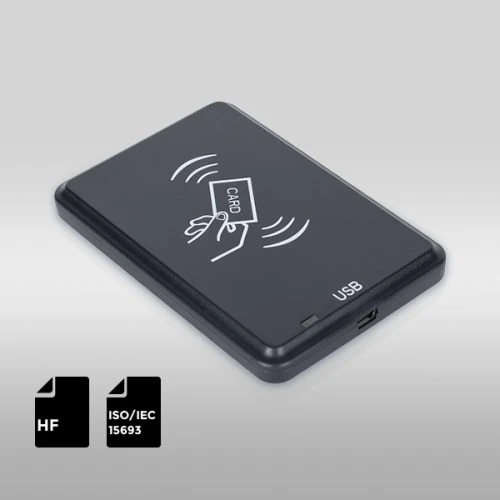
Desktop HF ISO15693 RFID Reader / Writer AZ-RL173
Desktop HF RFID Reader complies with the ISO 15693 protocol, and has high sensitivity reading and writing performance and a fast anti-collision processing algorithm. The products are widely used in data writing , access control, electronic bills, libraries, finance.