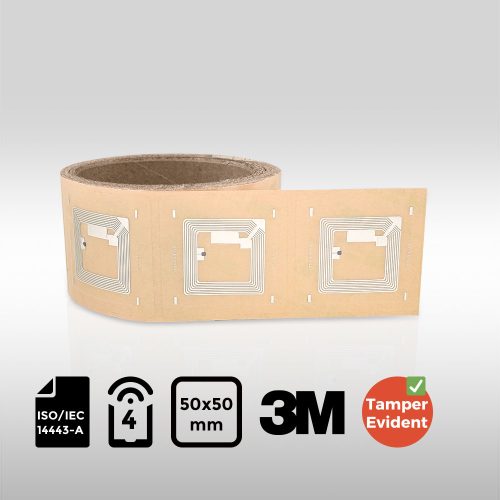
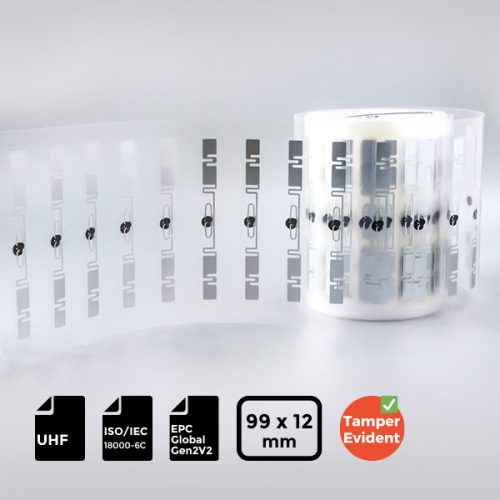
RFID tags for vehicle tracking are moving into a new phase. What used to be mostly about gate access or toll collection is now expanding toward digital vehicle registration, secure authentication, parking automation, fleet visibility, and public-road verification. The biggest signal came on April 3, 2026, when RFID Journal reported that Tönnjes introduced a new hybrid RFID solution for secure vehicle identification, digital registration, and authentication, combining long-range RAIN RFID with NFC-based verification.
Why RFID Tags for Vehicle Tracking Are No Longer Just “Tracking Tags”
For years, many companies treated RFID tags for vehicle tracking as a simple vehicle-entry tool. That view is becoming too narrow. The new direction is security plus identity plus system integration. In practice, that means one RFID deployment can support:
- vehicle authentication
- parking and campus access
- fleet movement records
- digital registration workflows
- checkpoint verification with smartphone support
Tönnjes’ latest rollout points exactly in this direction: future-ready RFID that works with existing infrastructure while allowing UHF or NFC functions to be used separately or together.
What You Should Watch Next in Vehicle RFID
1. Secure identity will matter more than basic read performance
In fleet yards, parking systems, and vehicle registration projects, you may need more than “tag detected.” You may also need confidence that the vehicle identity is authentic, linked to a valid record, and difficult to copy. Recent vehicle RFID developments show why encrypted identifiers, hybrid verification, and upgrade-ready designs are becoming more important.
2. One vehicle may need more than one read scenario
A vehicle may pass a gate at speed, stop at a parking checkpoint, and later require smartphone-based verification. That is why hybrid designs are getting more attention. Long-range UHF supports fast reads, while NFC adds close-range validation and mobile interaction.
3. Vehicle RFID is becoming part of digital administration
This market is moving closer to e-government, tolling, and smart mobility infrastructure. In other words, RFID tags for vehicle tracking are becoming data carriers inside larger operating systems, not just labels attached to glass or metal.

How You Can Choose RFID Tags for Vehicle Tracking for Real Projects
| Requirement | What you should check | Why it matters |
| Read environment | gate, lane, parking lot, depot, road checkpoint | The reading setup affects the tag type you should choose |
| Mounting surface | windshield, headlamp, plate, hangtag | Materials and placement affect read stability |
| Security level | UID only, encrypted ID, anti-tamper | Higher-risk projects need stronger protection |
| Data workflow | stand-alone or software-integrated | This affects encoding and middleware requirements |
| Volume plan | pilot, regional rollout, national program | This impacts cost planning and lead times |
A Practical Reference Case
How You Can Match RFID Tags to Different Vehicle Projects
1. For fleet operations
If you manage fleets, look for RFID tags for vehicle tracking that support quick vehicle identification, stable reads at entry points, and accurate movement records across depots or service locations.
2. For parking and access projects
If your project involves parking or gated entry, focus on read consistency, controlled trigger zones, and tag formats that perform reliably on windshields or other fixed mounting positions.
3. For registration and authentication programs
If your project is related to registration, compliance, or identity verification, prioritize encrypted identifiers, tamper-aware construction, and encoding options that can scale across larger or regulated deployments.

What We Expect Next
The next wave will not be driven by retail-style tagging logic. It will be driven by identity trust, software connectivity, and mixed read methods. That is why RFID tags for vehicle tracking will increasingly become part of a secure mobility system rather than a stand-alone tracking component. If you plan ahead with that in mind, you will be in a better position to choose the right tag format, chip option, encoding method, and deployment path.
Conclusion
If you are planning a fleet, parking, registration, or traffic-related project, now is a good time to review what RFID tags for vehicle tracking should actually do over the next few years. The strongest solutions will do more than identify vehicles. They will also support authentication, automation, and long-term system compatibility. After reading this, you can compare tag formats, chip options, and custom project requirements more clearly. If you want to explore suitable vehicle RFID products or get more details, you can visit rfidlabel.com for further information.
FAQs
1. What is the best tag format for a vehicle RFID project?
That depends on how you plan to use it. Windshield labels are common for access and parking, while plate-based or tamper-resistant formats are more suitable for registration and higher-security applications.
2. Can RFID tags for vehicle tracking work with both fixed readers and mobile verification?
Yes. Newer hybrid solutions can combine long-range RFID with close-range mobile verification, which is useful when you need both fast reads and secure on-site checks.
Recommended Product