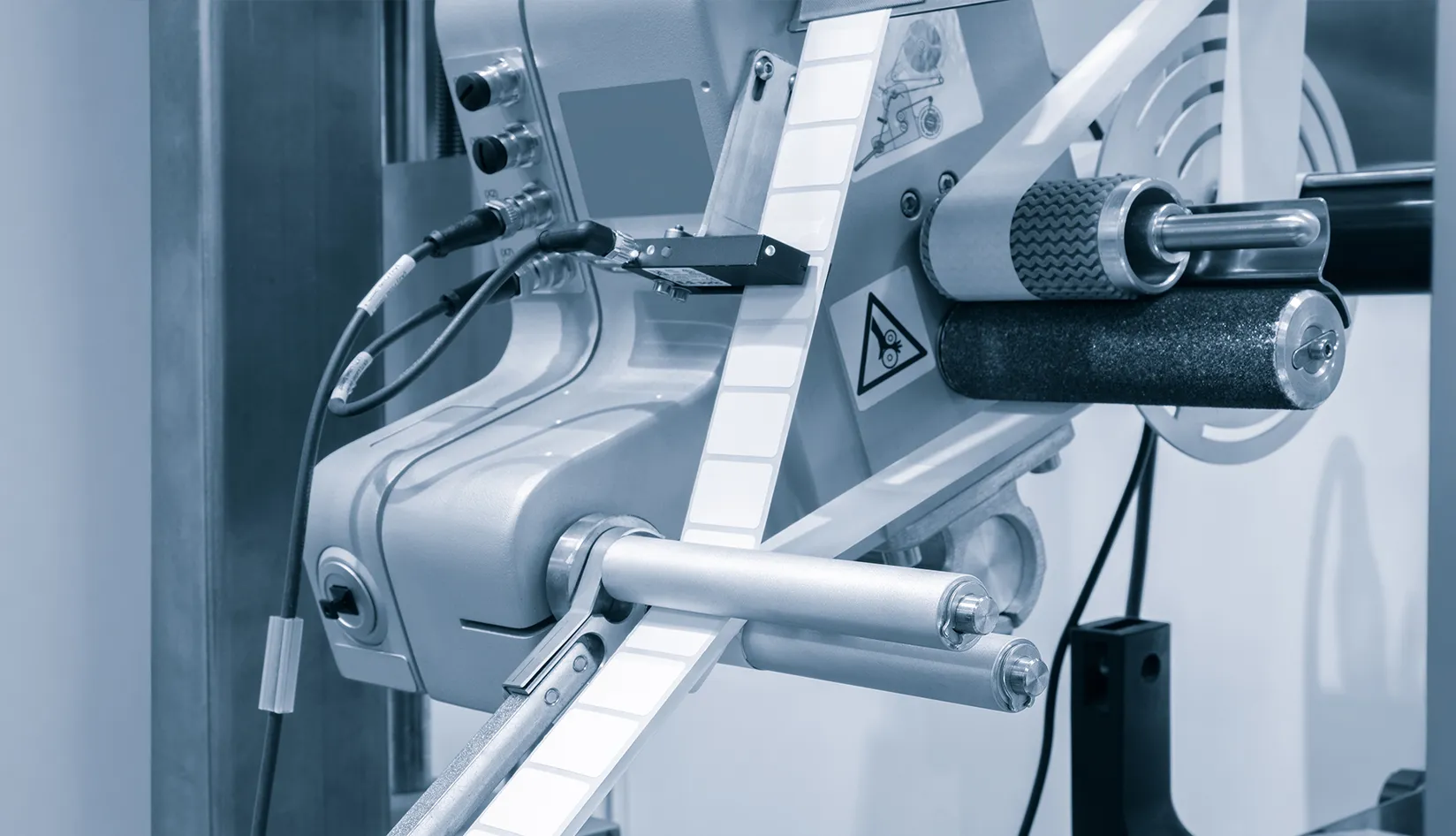
As modern technology continues to evolve, the retail industry is undergoing a profound transformation, with technology constantly changing how we purchase, consume, and experience products. As a globally renowned home furnishings retailer, IKEA retail with RFID has always been known for its innovation. In recent years, IKEA has actively adopted advanced RFID (Radio Frequency Identification) technology, driving comprehensive upgrades to its supply chain and customer experience.
Introduction to RFID Technology
RFID technology is an automatic identification technology that transmits information through radio waves, enabling the rapid and accurate reading of data on tags. Compared to traditional barcodes, RFID tags have the advantages of bulk reading and not requiring alignment with the scanner, making them highly promising in fields such as logistics and retail.
The core of RFID technology lies in its tags and readers. The tag contains a chip and an antenna, with the chip storing a unique identifier. The reader interacts with the tag by sending out radio waves, which allows it to access the information stored within the tag. RFID technology enables contactless information transmission, significantly improving the efficiency of data collection.
Optimizing IKEA’s Supply Chain
IKEA operates a vast global supply chain network, involving extensive data processing and management from raw material procurement and manufacturing to logistics and distribution. In traditional supply chain management, inventory information updates often rely on manual entry, leading to delays, errors, and inefficiencies.
By incorporating RFID technology, IKEA can track inventory status in real-time, ensuring the accuracy and timeliness of inventory information. The bulk reading capability of RFID tags allows IKEA to complete inventory counts in a short period, greatly enhancing inventory management efficiency. Additionally, IKEA can monitor the movement of products using RFID technology, ensuring that every stage, from production to delivery to customers, remains under control, thereby reducing the risk of loss and damage during the logistics process.
RFID technology also helps IKEA achieve supply chain transparency. By embedding RFID chips in product labels, IKEA can detail the production batch and transportation route of products, making every step in the supply chain traceable. This not only increases the controllability of the supply chain but also provides robust technical support for IKEA’s product quality management.
Enhancing Customer Experience
IKEA’s use of RFID technology has yielded significant success in supply chain management and demonstrated strong potential in enhancing the customer experience.
A typical example is IKEA’s pop-up store event in downtown Toronto. During this event, IKEA made full use of RFID technology to create a unique shopping experience for customers. Upon entering the pop-up store, customers could scan the RFID tags on products to instantly obtain detailed information, matching suggestions, and purchasing tips. This interactive shopping experience not only attracted considerable consumer attention but also increased customer loyalty to the IKEA brand.
The application of RFID technology makes the shopping process smarter. Consumers can quickly obtain detailed product information, such as size, material, and stock status, by scanning the RFID tags using their smartphones or IKEA’s self-service terminals. This convenient access to information allows consumers to make more informed decisions, improving the quality of the shopping experience.
Moreover, RFID technology also makes the checkout process more efficient. In traditional retail settings, checkout often requires scanning each product’s barcode individually. In contrast, RFID technology’s bulk reading capability allows cashiers to read all product information at once. This significantly reduces checkout time. It also eliminates the hassle of long queues for customers.
IKEA has also applied RFID technology in return management. By using RFID tags, IKEA can quickly verify purchase information and return reasons, simplifying the return process and improving customer satisfaction. Additionally, by analyzing return data, IKEA can promptly identify issues in product design and manufacturing processes, further enhancing product quality.
Supporting Sustainable Development
IKEA has long been committed to sustainable development, and the application of RFID technology supports its sustainability goals.
First, RFID technology helps IKEA achieve precise inventory management, avoiding resource waste caused by overstocking or stock shortages. By monitoring the product lifecycle in real-time, IKEA can adjust production and inventory based on market demand. This helps reduce unnecessary production and transportation steps. As a result, it lowers carbon emissions and decreases resource consumption.
Second, RFID technology optimizes IKEA’s logistics processes. Through monitoring and optimizing transportation routes, IKEA can streamline delivery times and reduce costs, thereby lessening its environmental impact. Furthermore, RFID technology allows IKEA to better manage product recycling and reuse. By tracking discarded products, IKEA can ensure they are properly disposed of, reducing environmental pollution.
Looking Ahead
The widespread adoption of RFID technology marks a significant step forward in IKEA’s digital transformation journey. As technology continues to advance, the application prospects of RFID technology in the retail industry will become even broader.
In the future, IKEA can further expand the use of RFID technology. Such as embedding RFID chips in smart home products to enable connectivity with other smart devices, enhancing the intelligence of home life. Additionally, IKEA can integrate RFID technology with blockchain technology to further enhance supply chain transparency and security.
Through continuous innovation, IKEA will continue to lead the development trend in the home retail industry. RFID technology, as an integral part of its digital strategy, will play an increasingly important role in the future. Whether improving supply chain efficiency, optimizing customer experience, or supporting sustainable development, RFID technology will be a crucial tool for IKEA to achieve its business vision.
Conclusion
The integration of IKEA and RFID technology is not just a technological revolution; it is also an exploration of the future retail model. As technology continues to advance, the application prospects of IKEA retail with RFID will become even broader. Through RFID technology, IKEA is creating a more efficient, transparent, and intelligent retail environment, bringing better shopping experiences to consumers worldwide. At the same time, IKEA is fulfilling its commitment to sustainability through this technology, contributing to global environmental protection efforts. In the future, as RFID technology continues to advance, IKEA will remain at the forefront of the retail industry, creating more possibilities for consumers.
Through innovative cases like the Toronto pop-up store, IKEA has demonstrated how RFID technology can empower the retail experience, providing a successful model for other companies to follow. If you are interested in RFID technology and want to learn more about its applications in various industries or need to purchase related products, please visit rfidlabel.com. Here, you will find the latest RFID information and products to help your business move toward the digital age.